2025 Top Trends in Shipping Cargo Containers: What You Need to Know
As the global trade landscape continues to evolve, the shipping industry is witnessing transformative trends in the realm of shipping cargo containers.
According to a report by the International Maritime Organization, global seaborne trade is projected to reach 13 billion tons by 2025, significantly driving the demand for innovative container shipping solutions.
This surge emphasizes the growing importance of efficiency and sustainability in container logistics, prompting stakeholders to adapt to new market conditions.

In recent years, the use of technology in the shipping sector has gained momentum, with insights from the World Economic Forum highlighting an expected growth in digitalization and automation within the industry.
The integration of advanced tracking systems, smart containers, and Internet of Things (IoT) applications is set to revolutionize the management of shipping cargo containers, enhancing operational efficiencies and reducing costs.
Furthermore, sustainability initiatives are shaping industry practices, as companies prioritize eco-friendly practices in their shipping processes, aligning with global goals for reducing carbon emissions.
Understanding these trends is crucial for businesses looking to capitalize on the expanding shipping cargo containers market.
As we move toward 2025, the interplay of technology, sustainability, and global demand will redefine the future of shipping, making it imperative for industry players to stay informed and prepared for the changes that lie ahead.
Emerging Technologies Impacting Cargo Shipping in 2025
As we approach 2025, the shipping industry is poised for a technological transformation that will significantly impact cargo logistics. Emerging technologies such as Artificial Intelligence (AI) and the Internet of Things (IoT) are set to enhance operational efficiency and improve safety standards.
AI algorithms will analyze data in real-time to optimize shipping routes, reducing delivery times and fuel consumption. Meanwhile, IoT sensors embedded in cargo containers will provide continuous monitoring of the cargo's condition, ensuring that any fluctuations in temperature or humidity can be addressed immediately.
Additionally, blockchain technology is gaining traction in the shipping sector. By creating a secure and transparent ledger for all transactions and movements, blockchain can enhance traceability and reduce fraud. This technology will streamline documentation processes and facilitate collaboration among stakeholders, from suppliers to shipping companies. As these innovations continue to develop, they promise to reshape the cargo shipping landscape, driving a more efficient, reliable, and sustainable industry in 2025 and beyond.
Sustainability Practices Revolutionizing Container Shipping
Sustainability in container shipping is emerging as a transformative force in the maritime industry. The sector is increasingly focused on reducing its carbon footprint, which, according to the International Maritime Organization (IMO), accounts for around 2.5% of global greenhouse gas emissions. Innovations such as telematics, exemplified by new alliances formed to enhance container tracking, are set to bolster operational efficiency while minimizing environmental impacts. These technologies improve logistics management, allowing for better route optimization and reduced fuel consumption, which directly contributes to more sustainable operations.
Additionally, initiatives like the eco-friendly refrigerated container systems are revolutionizing the transport of perishables, thus enhancing the efficiency of agricultural exports while supporting environmental responsibilities. The implementation of advanced technologies not only streamlines freight procurement through AI-driven solutions but also emphasizes a commitment to greener practices by reducing waste and energy use in shipping processes. As sustainability becomes a central focus, the maritime industry is poised to adapt, leading to more resilient and environmentally friendly global trade practices.
The Role of Automation in Modern Cargo Handling
Automation is reshaping the landscape of cargo handling in the shipping industry. As ports grapple with increasing demand and the complexity of global supply chains, automated systems are becoming essential for efficient cargo management.
Automated cranes and vehicles streamline the loading and unloading processes, significantly reducing the time ships spend in port. This not only enhances operational efficiency but also lowers costs associated with delays, allowing for a more fluid logistics chain.
Moreover, automation plays a pivotal role in enhancing safety and reducing human error. With automated systems monitoring and managing cargo movements, the risks associated with manual handling are greatly diminished. Technologies such as AI and machine learning optimize route planning and inventory management, enabling real-time tracking of containers. As shipping companies continue to invest in these technologies, the integration of automation will likely be a key driver in transforming cargo handling into a more precise and error-free process, ultimately leading to a more resilient and responsive shipping industry.
Global Trade Shifts Influencing Container Demand and Design
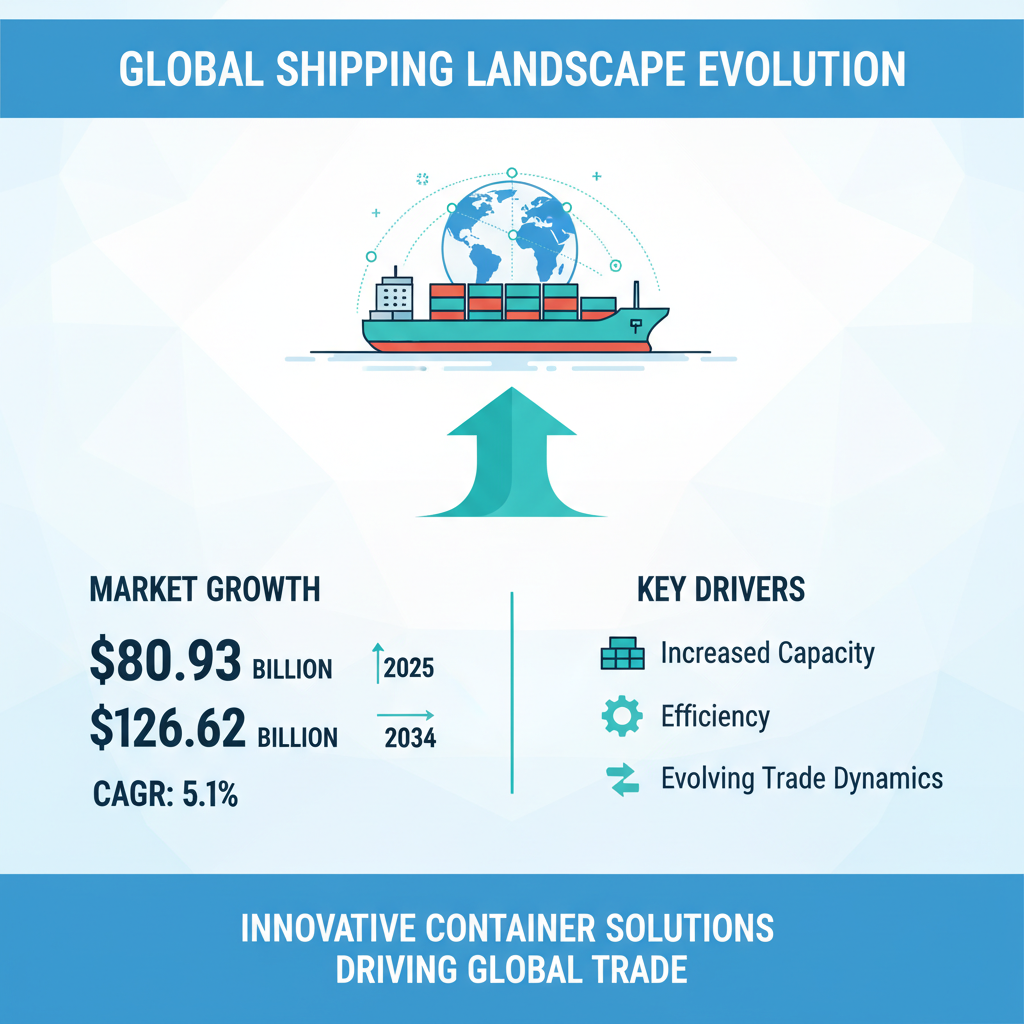
The global shipping landscape is rapidly evolving, driven by shifts in international trade dynamics that significantly affect container demand and design. The projected growth of the cargo container market, which is expected to surge from $80.93 billion in 2025 to $126.62 billion by 2034, highlights the increasing capacity and efficiency required to meet global trade needs. This represents a compound annual growth rate (CAGR) of 5.1%, indicating a robust demand for innovative container solutions as businesses adapt to changing market conditions.
As the global container fleet achieves a historic milestone, surpassing 30 million TEUs in capacity, the industry must also address increasing infrastructure investment needs. According to recent studies, an estimated $768 billion will be necessary for ports to enhance their resilience against climate change impacts. Furthermore, initiatives such as the launch of container shipping futures in Shanghai signify a shift towards more sophisticated risk management tools within the sector. These developments underscore the necessity for stakeholders to remain adaptable and forward-thinking in a fluctuating shipping environment influenced by broader economic factors.
Regulatory Changes Shaping the Future of Shipping Industry Standards
As the shipping industry continues to evolve, regulatory changes are central to shaping operational standards for cargo container management in 2025. Recent reports indicate that compliance with the International Maritime Organization's (IMO) safety regulations has increased operational costs by up to 15% for shipping companies. These regulations are essential for enhancing safety and environmental sustainability, but they also push the industry towards adopting new technologies. The integration of digital tracking systems is one trend that aligns with regulatory demands, enabling real-time monitoring of containers and compliance verification.
Tip: To remain competitive, shippers should invest in training programs that prepare their teams for navigating these regulatory frameworks and utilizing new technologies effectively. This proactive approach not only ensures compliance but also fosters a culture of safety and innovation within organizations.
Furthermore, new environmental regulations, such as the IMO's push for reducing greenhouse gas emissions by at least 50% by 2050, compel companies to rethink their logistics strategies. Reports from McKinsey & Company suggest that companies adopting cleaner fuels and more efficient routing methods can reduce their carbon footprints and operational costs.
Tip: Consider conducting an audit of your current shipping practices to identify areas for improvement in sustainability. Partnering with environmentally focused organizations can help streamline this process, ensuring compliance with future regulations while enhancing your brand's reputation.