How to Buy 20 Foot Shipping Containers for Your Business?
In the booming logistics and construction markets, 20 foot shipping containers have become indispensable assets for businesses. According to industry reports, the demand for shipping containers has surged by over 30% in the past five years. This trend reflects their versatility for storage and transportation. These containers serve various sectors, from retail to manufacturing, offering durability and security.
Acquiring 20 foot shipping containers requires careful consideration. Choosing the right supplier is crucial for ensuring quality and reliability. A report from the Container Owners Association indicates that purchasing used containers can save businesses up to 50% compared to new ones. However, buyers should be cautious of potential structural issues or hidden damage in pre-owned units.
Moreover, understanding logistical needs is vital. Container layout, accessibility, and compliance with local regulations can impact how effectively they serve your business. Ensuring that the purchase aligns with specific operational needs helps maximize value. Proper planning and informed choices can transform how businesses leverage shipping containers, yet many overlook these critical factors.
Understanding the Basics of 20-Foot Shipping Containers
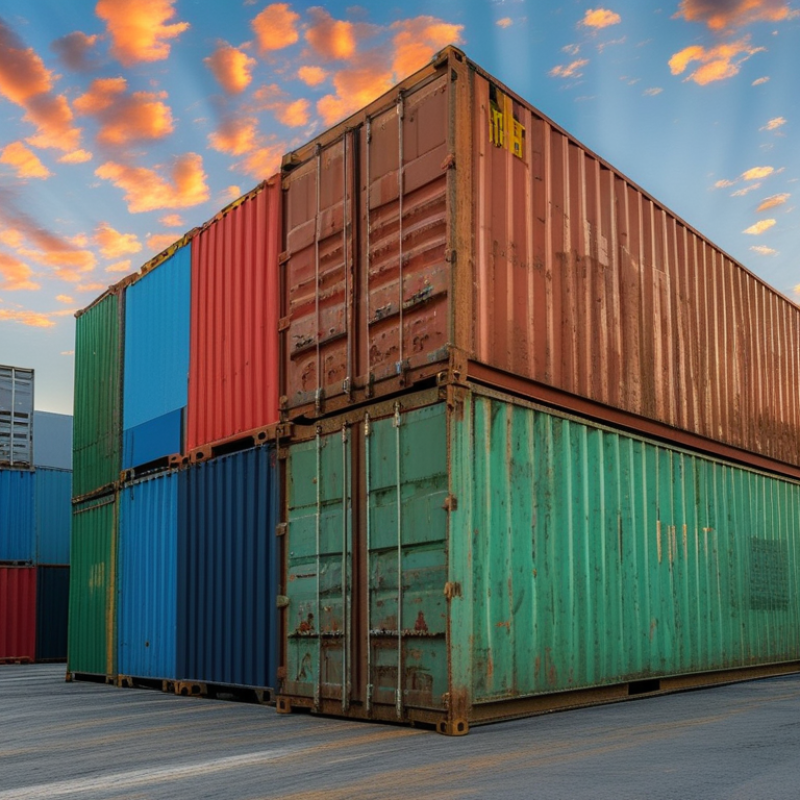
When considering a 20-foot shipping container for your business, it's essential to understand its benefits. These containers are versatile and durable. They are often used for storage, shipping, or even as mobile offices. However, not all containers are created equal.
Tips: Check the container’s condition before purchase. Rust, dents, and leaks can impact your use. Inspecting can save you from future headaches.
Before you dive into purchasing, consider your specific needs. Do you need insulation? Will you modify the container? Knowing this can help you choose the right type. Some containers are modified for specific uses, which can be a great advantage.
Tips: Research affordable shipping options. Costs can vary depending on distance. A slight difference in shipping fees can affect your budget significantly.
Lastly, understand any regulations for using or placing containers. Local zoning laws may impact where you can place a container. This aspect is often overlooked, leading to legal complexities. Being informed can prevent future complications.
How to Buy 20 Foot Shipping Containers for Your Business?
| Attribute |
Details |
| Container Size |
20 Feet |
| Internal Dimensions |
19' 4" x 7' 8" x 7' 10" |
| External Dimensions |
20' x 8' x 8' 6" |
| Weight |
Approximately 4,800 lbs (2,177 kg) |
| Capacity |
1,172 cu ft (33.2 m³) |
| Material |
Steel |
| Purchase Options |
New, Used, or Refurbished |
| Average Price Range |
$1,500 - $4,000 |
| Delivery Options |
Local Delivery, Shipping |
Identifying Your Business Needs and Purpose for a Shipping Container
Identifying the specific needs of your business is crucial when considering a 20-foot shipping container. These containers are versatile and can serve various purposes. A report from the Container Owners Association indicates that the global shipping container market is projected to grow by 6.2% annually, underscoring their increasing relevance in logistics and stationary storage.
Before purchasing, assess how your business plans to utilize the container. Will it be for storage, mobile offices, or even pop-up shops? For example, retailers often use containers for on-site sales during events. At the same time, some businesses utilize these containers for inventory overflow, especially in high-demand seasons. Knowing your intended use helps narrow down the necessary features, such as insulation for temperature-sensitive items.
However, it is important to reflect on potential challenges. Storage containers can become expensive due to maintenance and transportation fees. A survey from the National Association of Realtors highlights that businesses should consider the long-term costs of ownership. Therefore, evaluating past experiences can provide insights into whether a container is the right solution for your needs. Make sure to weigh all factors carefully.
Researching Suppliers and Pricing Options for Shipping Containers
When looking to buy 20-foot shipping containers, research is critical. Start by identifying reputable suppliers in your area. Many industry reports suggest comparing at least three quotes to ensure you find the best pricing. Container prices can range from $2,000 to $5,000 depending on condition and location. A report from the International Maritime Organization highlights how prices fluctuate based on global demand and shipping costs.
Understanding the type of container you need is also essential. Standard containers are often cheaper, while refrigerated ones can cost significantly more. Make sure to check for any hidden costs, such as delivery fees or modifications.
Tips: Always inspect the container before purchase. Look for rust or structural damage. If you purchase online, request detailed photographs. It’s easy to overlook small issues that could lead to bigger headaches later. Additionally, consider buying used containers. They can be a cost-effective option, but verify their history and condition to avoid potential pitfalls.
Inspecting Shipping Containers Before Purchase
Inspecting shipping containers before purchase is a crucial step in ensuring a wise investment for your business. Many containers come with unseen issues. Look for rust, dents, and structural integrity. A thorough inspection can save you from costly repairs later. Always check the seals and corners for any damage that could compromise security.
Pay attention to the container's history. A previously used container might have hidden problems, such as water leaks or poor insulation. Ask for documents that detail its past usage. If possible, request a visual inspection from an expert. Their trained eyes can identify flaws that may not be immediately apparent.
Utilizing proper tools can enhance your inspection process. A flashlight can help you see into dark corners. A simple magnet can reveal hidden rust under paint. Don’t hesitate to walk away if a container represents too many risks. Sometimes, a more cautious approach is necessary, even when the price seems tempting. Your investment is worth careful consideration.
Arranging Transportation and Delivery of Your Shipping Container
Arranging transportation for your shipping container is crucial. The process begins with choosing the right transportation method. You can opt for a flatbed truck or a specialized container carrier. Each option has distinct benefits. Flatbed trucks are versatile, but they may expose containers to weather. Container carriers offer more protection but can be costlier.
Once you choose your method, scheduling becomes key. Many transport companies require advance notice. That can lead to delays if your plans change. It's wise to think about the delivery location. Is it accessible? If not, additional arrangements might be necessary. Local regulations may also affect where containers can be delivered.
Communication with your chosen transport company is vital throughout the process. Make sure they confirm delivery dates and any special requirements. Remember to check for hidden costs, such as unloading fees or specialized equipment rentals. These unexpected expenses can impact your budget significantly. Be prepared to reassess your needs based on transportation experiences. Issues can arise, and flexibility can save you from unnecessary stress.