Why Choose Modular Containers for Your Next Construction Project?
In the ever-evolving landscape of construction, the advent of modular containers has revolutionized project execution, offering unparalleled efficiency and flexibility. As industry expert John Sullivan, a leading consultant in modular construction, aptly stated, "Modular containers represent not just a new way of building, but a paradigm shift that embraces speed, cost-effectiveness, and sustainability." This quote encapsulates the growing trend towards using modular solutions for construction endeavors, making a persuasive case for their adoption in upcoming projects.
The utilization of modular containers streamlines the building process, allowing for components to be fabricated off-site and assembled on-site, significantly reducing construction time. Additionally, this approach minimizes waste and can lower overall costs, making it an attractive option for developers and contractors alike. As the construction sector faces increasing pressures to meet tight deadlines and budget constraints, the shift towards modular containers emerges as both a practical and strategic solution, catering to a range of construction needs from residential buildings to commercial spaces.
Furthermore, with the emphasis on sustainable practices and eco-friendly materials, modular containers offer the opportunity to enhance a project's environmental footprint. By leveraging innovative design and building methodologies, stakeholders can contribute to a greener future while still achieving high standards of quality and functionality. As we delve into the advantages of choosing modular containers for your next construction project, it becomes evident that this approach is not only a trend but a transformative solution for the construction industry.
Benefits of Modular Containers in Construction Projects
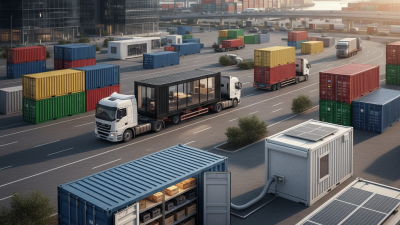
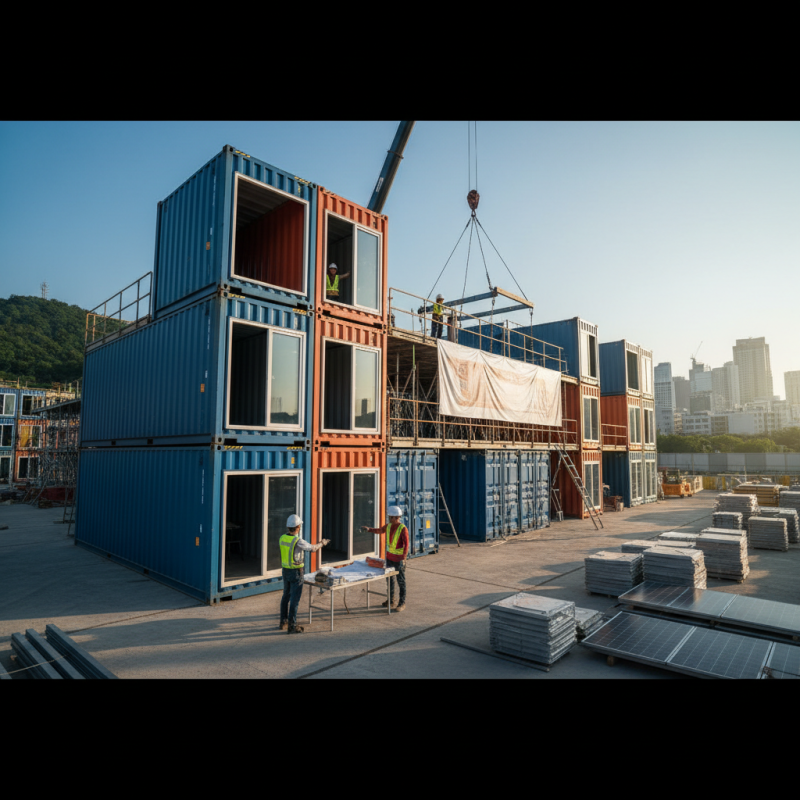
Modular containers have emerged as a game-changing solution in the realm of construction projects, offering a variety of benefits that enhance efficiency and cost-effectiveness. One of the most significant advantages is their rapid deployment. Unlike traditional building methods that can take months to complete, modular containers can be prefabricated off-site and assembled on location in a fraction of the time. This speed not only accelerates project timelines but also significantly reduces labor costs, making it an attractive option for both large-scale and small-scale projects.
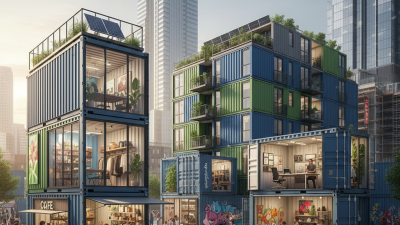
Another key benefit of modular containers is their flexibility and adaptability. These structures can be easily modified to meet changing project requirements, whether it’s an increase in space, layout changes, or specific design features. This adaptability makes modular containers suitable for various applications, from temporary office spaces to permanent housing solutions. Additionally, their stackable nature maximizes land use, making them ideal for urban developments where space is at a premium. Overall, the use of modular containers streamlines the construction process and delivers sustainable, customizable solutions that meet the diverse needs of modern construction.
Cost-Effectiveness of Modular Containers Compared to Traditional Methods
When considering construction methods, the cost-effectiveness of using modular containers can significantly impact project budgets and timelines. Modular containers offer a streamlined approach that often results in lower overall expenses compared to traditional building methods. One of the primary reasons for this cost advantage is the reduced labor requirements. Since modular units are constructed off-site under controlled conditions, the need for extensive on-site labor drastically decreases, leading to savings in labor costs and minimizing the potential for project delays caused by weather or site conditions.
Additionally, the efficiency of the modular construction process contributes to its cost-effectiveness. These containers can be prefabricated and then transported to the site for quick assembly, which shortens construction timeframes. The ability to complete projects faster not only reduces labor costs but also allows capital to be utilized elsewhere. Furthermore, modular containers are often built with durable materials that minimize long-term maintenance expenses. By investing in modular construction, project managers can realize significant savings while ensuring a high-quality build that meets their construction needs.
Why Choose Modular Containers for Your Next Construction Project? - Cost-Effectiveness of Modular Containers Compared to Traditional Methods
| Criteria |
Modular Containers |
Traditional Construction |
| Initial Cost |
15-20% lower |
High |
| Construction Time |
2-3 months |
6-12 months |
| Labor Costs |
Lower due to prefabrication |
Higher |
| Waste Generation |
Reduced |
High |
| Site Disruption |
Minimal |
Significant |
| Flexibility and Scalability |
High |
Limited |
Flexibility and Customization Options of Modular Container Designs
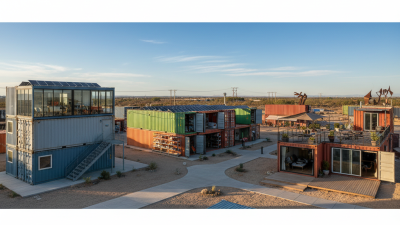
Modular containers have emerged as a versatile solution for modern construction projects, primarily due to their remarkable flexibility and customization options. Unlike traditional building methods, modular containers can be easily adapted to meet varying project requirements. Clients can choose from different sizes, layouts, and materials to create a space that perfectly fits their vision. This adaptability makes modular containers an appealing choice for a wide range of applications, from residential homes to commercial offices and even temporary event spaces.
Furthermore, the ability to customize modular container designs extends beyond mere dimensions. Architects and designers can incorporate various features such as insulation, windows, and doors tailored to specific needs. This ensures not only functionality but also aesthetic appeal, allowing for innovative designs that stand out. Additionally, the modular nature of these containers facilitates quick assembly and disassembly, enabling on-site modifications without significant downtime. This characteristic is particularly advantageous in fast-paced construction environments where time efficiency is paramount. Overall, the flexibility and customization options available with modular containers make them an ideal choice for any construction project.
Advantages of Modular Containers in Construction Projects
Speed and Efficiency in Assembly and Construction with Modular Containers
In the ever-evolving landscape of construction, the choice of materials and methods greatly impacts project timelines and efficiency.
Modular containers have emerged as a game-changer, offering remarkable speed and efficiency in assembly and construction.
These prefabricated units are designed to streamline the building process.
With components manufactured off-site, project teams can significantly reduce wasted time and resources, as the modular elements arrive ready for quick assembly.
This approach not only accelerates timelines but also enhances overall project coordination.
When planning to use modular containers, here are a couple of tips to keep in mind:
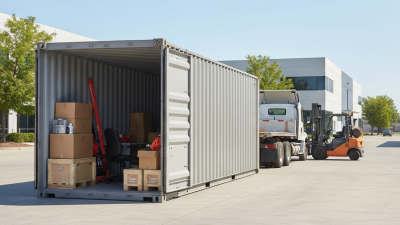
First, ensure that your site is adequately prepared before the delivery of modular units.
A well-organized site allows for smoother logistics and quicker setup.
Second, invest in proper training for your assembly team; understanding the unique assembly techniques required for modular systems can further enhance efficiency and reduce mistakes during construction.
By applying these strategies, you can leverage the full potential of modular containers, achieving a seamless and efficient building process.
The flexibility these containers offer is another advantage. They can be easily modified or expanded, allowing for rapid adjustments in design as project requirements evolve.
This adaptability is crucial in today’s fast-paced construction environment, where responsiveness to change can determine the success of a project.
Embracing modular containers not only leads to faster completion but also fosters a more sustainable construction practice through efficient resource use and reduced waste.
Sustainability and Environmental Impact of Using Modular Containers
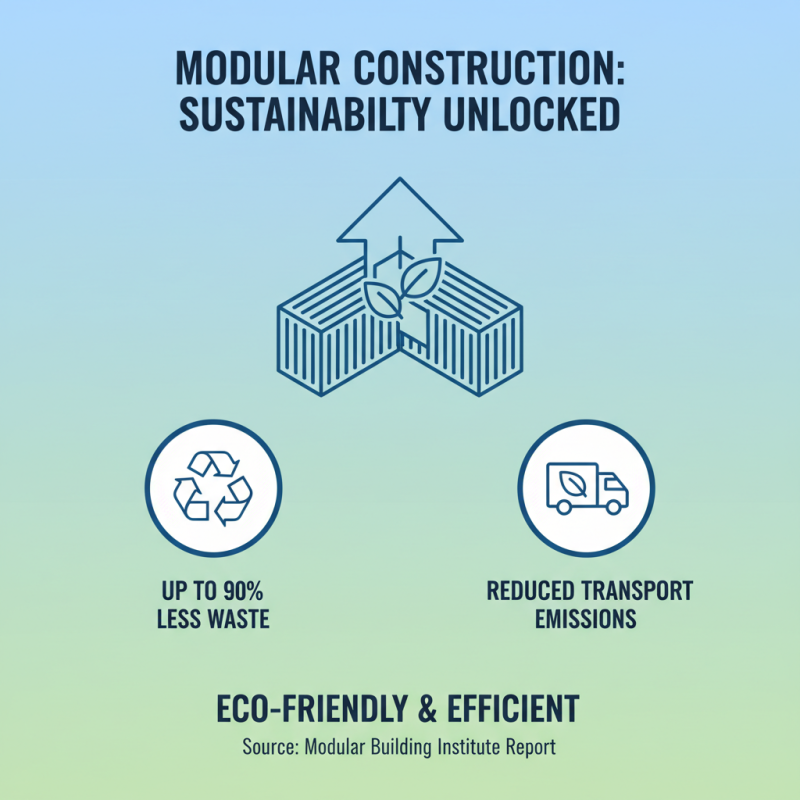
Modular containers have gained significant traction in the construction industry, particularly due to their sustainability and reduced environmental impact. According to a report by the Modular Building Institute, modular construction can reduce construction waste by up to 90% compared to traditional building methods. This is primarily because modular units are prefabricated in controlled environments, allowing for efficient material usage and minimizing the excess typically generated on-site. Additionally, the reduction in transportation emissions, as modular units can be delivered ready-to-use, further enhances their eco-friendly profile.
Furthermore, a study by the McKinsey Global Institute highlights that modular construction techniques can lower energy consumption during the building phase by around 20-25%. This shift not only streamlines the construction timeline but also contributes to lower operational costs over the building's lifecycle. By prioritizing sustainability, modular containers align well with the increasing demand for environmentally responsible construction practices, as reported by the World Economic Forum, which suggests that sustainable building practices will become crucial to the industry’s future. As regulations tighten and stakeholders demand accountability in environmental impact, the use of modular containers represents a forward-thinking approach to construction that supports both ecological balance and economic efficiency.