Choosing Ballroom Dance shoes in 2026 is not merely a style decision. It is a practical choice involving balance, comfort, movement, and floor safety. The right pair should support your technique without distracting you during a fast Viennese Waltz or a sharp Cha-Cha. Materials, heel height, sole flexibility, and secure fastening all deserve careful attention. A beautiful shoe can still be completely wrong for your feet.
Len Goodman, the respected ballroom judge and former professional dancer, often said, “The most important thing is to enjoy yourself.” His words apply directly to shoe selection. Painful pressure points, loose straps, or unstable heels can quickly reduce confidence. Experienced dancers usually test shoes with actual dance steps, not just a few walking movements. Try turning, rising, stopping, and shifting weight. Small details matter.
This guide explains how to choose Ballroom Dance shoes for practice, competition, and social events in 2026. It considers current designs, common fitting mistakes, and differences between leather and suede soles. Foot shape varies greatly. There is no perfect shoe for everyone. Even expert advice may need adjustment after several hours of dancing. That is an important limitation.
Measure both feet late in the day, when swelling is more likely. Wear the socks or stockings used for dancing. Check whether your toes can move, while your heel remains controlled. A secure fit matters more than decoration. Comfort comes first. Then, refine your style.
How to Choose Ballroom Dance Shoes in 2026?
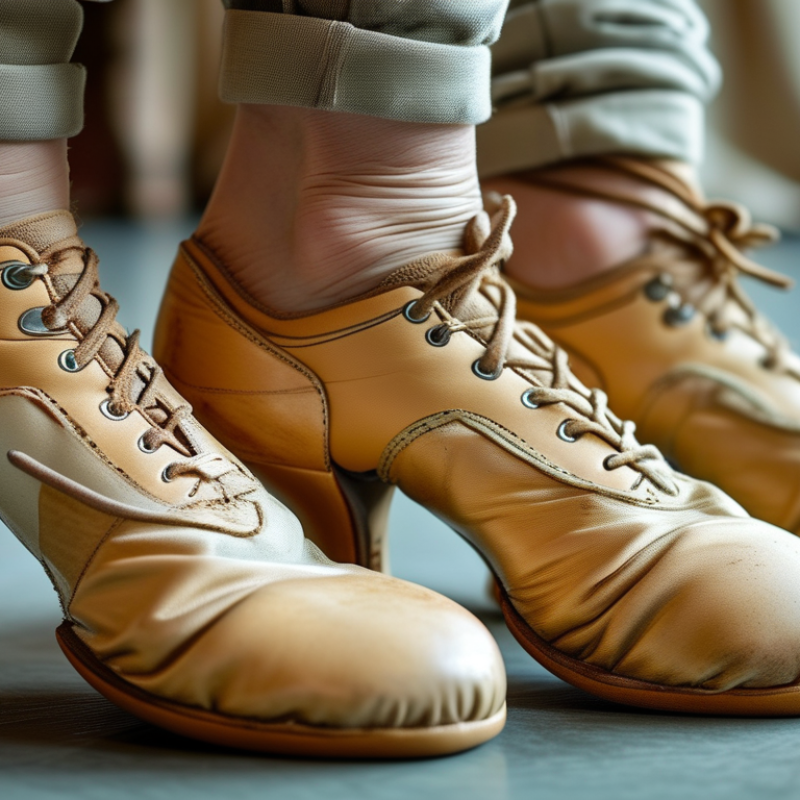
Ballroom dance shoes are specialized footwear for controlled movement, not ordinary dress shoes. They usually combine a flexible upper, a supportive heel, and a thin suede sole. That sole allows rotation while still creating useful friction. During practice, I notice the difference quickly: a stiff sole interrupts the waltz, while excessive softness makes turns feel uncertain. The right shoe should bend near the toes, hold the heel securely, and leave no pressure across the ball of the foot.
Their importance is practical. The 2024 Adult Compendium of Physical Activities lists ballroom dancing at about 3.0 METs, with faster styles requiring substantially more effort. That workload can expose poor fit within one lesson. The World Health Organization recommends 150–300 minutes of moderate activity weekly, so repeated dancing deserves equipment that supports steady movement. A stable heel may improve balance, but height alone does not create technique. Foot shape, ankle control, floor type, and dance style matter more.
Professional fitting advice often favors a snug fit without numbness. Try shoes in the evening, when feet may be slightly larger. Test a slow rise, a side step, and one controlled turn. I once focused too much on appearance and ignored heel slip; that mistake caused unnecessary tension. Personal preference still matters, and no fitting rule works perfectly for everyone. Data can guide the choice, but your feet provide the final evidence.

Ballroom dance shoes are lightweight shoes designed to support balance, controlled foot movement, and smooth turning. The comparison below shows typical construction characteristics used when selecting a pair for regular ballroom practice and performance.
How to read the chart: A suede outsole helps dancers control sliding and turning, while a flexible sole allows natural foot articulation. Secure heel support improves stability, and breathable materials, cushioning, and low weight contribute to comfort during longer practice sessions. The best choice should also fit snugly without pressing the toes or allowing the heel to lift.
Your dance style should guide every shoe decision. In my fittings, I first check movement, floor contact, and training duration. A Latin dancer often needs a flexible sole and a secure ankle strap. These features support quick weight changes and sharp hip action. A Standard dancer may prefer a closed toe, stronger support, and a smoother upper. Those details help during long traveling steps and repeated turns.
Heel height also changes your technique. Higher heels can improve leg lines, but they may challenge balance. Beginners often benefit from a lower, stable heel. Experienced dancers can choose more height after testing their posture. Practice shoes need comfort and shock absorption. Competition shoes may prioritize lightness and precise floor feedback. Do not confuse softness with quality. A shoe that feels comfortable for five minutes may hurt after an hour.
Fit matters more than appearance. Your toes should lie flat, while your heel stays anchored during pivots. Try shoes with dance stockings, not thick everyday socks. Walk, rise onto the balls of your feet, and perform a slow turn. I once selected a beautiful pair that slipped slightly; I regretted it halfway through practice. My advice is useful, but not perfect. Foot shape, training habits, and old injuries can change the answer. Test carefully, and record how your feet feel the next morning.
How to Choose Ballroom Dance Shoes in 2026?
The right ballroom shoe should fit like a steady handshake, not a painful squeeze. Measure both feet late in the day, when swelling is more likely. Use the larger foot as your reference. A 2018 systematic review in the Journal of Foot and Ankle Research reported that 63% to 72% of people wore poorly fitted footwear. Dance shoes deserve closer attention because every step transfers pressure through the toes and heel.
Check length first. Your toes should nearly reach the front, but they must not curl. Leave minimal space for movement without allowing your heel to lift. Width matters just as much. The upper should hold your foot gently across the instep. It should not create numbness, red marks, or burning after several minutes.
Try shoes with the socks or tights used during practice. Walk, rise onto the balls of your feet, and make slow turns. Notice whether your toes grip the floor. That habit often signals poor support. The American Podiatric Medical Association reports that 77% of surveyed adults have experienced foot pain, so discomfort should not be dismissed as normal.
A fitting routine can still fail. I sometimes focus too much on length and overlook pressure near the little toe. Recheck the fit after ten minutes. Let comfort decide.
Choosing ballroom dance shoes starts with the materials touching your feet. Soft leather usually offers comfort and gradual shaping. Satin feels elegant, but it may need gentler care. Modern synthetic materials can resist moisture and cost less. However, they may feel warmer during long practice sessions. Try shoes after a full day, when feet are slightly swollen. A snug fit is useful, but painful pressure is not.
Heels should match your balance, dance style, and experience. Beginners often feel safer with a lower, wider heel. Experienced dancers may prefer a higher heel for extended leg lines. A slim heel can look refined, yet it demands stronger ankle control. The sole matters just as much. Suede soles help dancers slide, pivot, and control floor contact. Leather soles can feel firmer and more stable. Rubber soles offer grip, but they may restrict turns. I once focused too much on appearance and ignored arch support. That choice made practice shorter, not better.
Tips: Test the shoes on a clean dance floor. Walk, rise onto the balls of your feet, and make a slow turn. Check whether your heel stays secure. Ask an instructor or qualified fitter to assess alignment. Replace worn soles before they become slippery. Comfort is not weakness. It is useful information. Some dancers need extra cushioning, while others lose control with it. Your best choice may change as your technique develops.
How to Choose Ballroom Dance Shoes in 2026?
A good ballroom shoe should feel secure before it feels beautiful. Test it on a clean, hard floor, not a soft carpet. Your toes should lie flat without touching the front. Walk slowly, then rise onto the balls of your feet. The heel must stay steady, even during a quick turn. Check the sole’s flexibility by pointing your foot. It should bend under the toes, not collapse through the middle. I once chose a softer pair for comfort and regretted it after one long rehearsal. Comfort alone can mislead you.
Tips: Wear the socks or tights used for dancing. Try both shoes near the end of the day. Feet often swell slightly. Ask a qualified instructor to watch your alignment and weight transfer. Their trained observation may reveal movement problems you cannot feel.
Maintenance begins after every practice. Brush dust from the sole with a suitable suede brush. Keep the shoes away from damp bags and direct heat. Let them air naturally, then store them with light shoe supports. Inspect the heel tip, stitching, lining, and sole edges each week. A loose heel needs prompt professional repair. Do not wait for a painful wobble. Replace ballroom shoes when the sole loses controlled grip, the heel shifts, or cushioning becomes uneven. However, appearance is not enough. Some worn shoes still look attractive but quietly change your balance. Keep a simple practice note. It helps you notice patterns, including mistakes in your own care routine.
| Stage | Check or Task | Practical Standard | How to Test or Perform It | Recommended Frequency | Action Guide |
|---|---|---|---|---|---|
| Choose | Foot length and width | The toes should lie flat and reach close to the front without being compressed. The widest part of the foot should sit comfortably over the shoe’s widest area. | Measure both feet while standing at the end of the day. Use the larger foot when selecting size, and wear the socks or tights normally used for dancing. | Before every new purchase | Select a secure fit |
| Choose | Toe and heel security | The heel should not lift excessively, and the toes should not slide forward during pivots or quick steps. | Walk, rise onto the balls of the feet, perform a controlled pivot, and make a small side step. Check for rubbing, slipping, or pinching. | At the fitting session | Adjust fastening or size |
| Choose | Heel height and stability | A lower heel generally offers easier balance, while a higher heel changes weight distribution and requires stronger ankle control. | Stand upright, bend the knees slightly, and hold a stable dance position for 30 seconds. The ankle should remain aligned without shaking or rolling outward. | Before purchase and when changing heel height | Choose control over appearance |
| Choose | Sole flexibility | The sole should flex at the forefoot while still supporting the arch and heel. Excessive bending through the middle can reduce stability. | Hold the heel and forefoot, then gently flex the shoe. The bend should occur mainly near the ball of the foot rather than folding sharply at the arch. | Before purchase and every few months | Look for controlled flex |
| Choose | Suede or other dance-floor sole | A suitable dance sole should allow controlled sliding and turning without feeling like a street shoe or a completely slippery surface. | Test a slow pivot and a forward-brush action on a clean dance floor. Avoid testing on wet, oily, or abrasive surfaces. | Before purchase and after long-term use | Clean or replace if traction changes |
| Test | Comfort under movement | There should be no sharp pressure, numbness, burning, or persistent rubbing during basic practice. | Dance continuously for 15–20 minutes, including walks, weight changes, turns, and side steps. Check the skin afterward for red or broken areas. | Before the first performance or intensive session | Do not ignore pain |
| Test | Fastening system | Straps, buckles, laces, and elastic sections should hold the foot securely without restricting circulation. | Fasten the shoe normally, then perform repeated rises and pivots. Inspect whether the fastening loosens, cuts into the skin, or shifts position. | Before every class or event | Repair or adjust promptly |
| Maintain | Surface cleaning | Dust and perspiration should be removed before they harden or damage the upper material. | Wipe the upper with a soft, slightly damp cloth appropriate for the material. Do not soak the shoe or use strong household chemicals. | After each use or whenever visibly dirty | Air-dry naturally |
| Maintain | Dance-sole brushing | Short, controlled brushing can restore the texture of a suede-type sole, but aggressive brushing can remove material. | Use a suitable sole brush with light strokes in different directions. Brush only when the sole is dry and free from loose debris. | When the sole feels unusually smooth or slippery | Brush lightly, not excessively |
| Maintain | Drying and storage | Shoes should be kept dry, ventilated, and away from direct heat, which can deform materials and weaken adhesives. | Remove moisture with a cloth, loosen straps, and store the pair in a breathable shoe bag. Keep the shoes at room temperature. | After every sweaty or wet session | Allow complete drying |
| Maintain | Rotation between pairs | Alternating pairs gives materials time to dry and reduces continuous stress on the same sole, heel, and upper. | Use a second suitable pair for frequent training when possible, especially during consecutive days of dancing. | For dancers training several times per week | Rotate when practical |
| Inspect | Heel attachment and alignment | The heel should remain firmly attached and sit squarely under the shoe. Any movement, cracking, or visible separation is a safety concern. | Before dancing, press gently on the heel and inspect the attachment point. Do not continue using a heel that wobbles or shifts. | Before every session | Stop using if unstable |
| Inspect | Sole and stitching condition | Open seams, detached sole edges, deep cracks, or exposed structural layers can affect balance and floor contact. | Inspect the toe, sides, flex point, stitching, and heel area under good lighting. Compare both shoes for uneven wear. | Weekly for regular dancers | Repair early when possible |
| Replace | Loss of structural support | Replacement is appropriate when the shoe no longer holds the foot securely or the upper has permanently stretched. | Repeat the fitting movements. If the heel slips, the foot slides, or the shoe twists more than before, compare it with a stable pair. | Whenever fit changes noticeably | Replace for safety |
| Replace | Worn dance sole | A sole that is smooth, uneven, separating, or contaminated may provide unpredictable turning and stopping. | Check traction with a slow pivot and controlled weight transfer on a clean floor. Never apply oil or household products to increase slipperiness. | When cleaning and brushing no longer restore control | Replace or professionally resole |
| Replace | Persistent pain or skin damage | Repeated blisters, numbness, joint pain, or pressure points indicate that the shoe may be unsuitable or worn out. | Stop using the shoes for demanding practice and reassess size, width, fastening, heel height, and overall condition. | Immediately when symptoms persist | Prioritize foot safety |
| Replace | Replacement timing | There is no universal calendar lifespan. Durability depends on training frequency, floor type, body weight, care, and construction. | Use condition-based inspection rather than replacing only by age. Frequent dancers should examine high-wear areas at least weekly. | Condition-based; review monthly | Replace when performance declines |
Safety note: Ballroom dance shoes should be tested on a clean, dry dance floor. Replace or professionally repair any shoe with an unstable heel, detached sole, exposed structural material, or damage that changes balance and floor contact.
