How to Choose the Right Conex Storage Containers for Your Needs?
Choosing the right conex storage containers can significantly impact your storage solutions. These containers offer versatility and security for different needs. However, selecting the perfect one may be challenging.
Consider the size and condition of the conex storage containers. A new container may be ideal for long-term use, while a used one might suffice for temporary storage. Evaluate your requirements meticulously. Space, budget, and intended purpose are all crucial factors to consider.
Additionally, maintaining proper ventilation in storage containers can prevent moisture buildup. This is essential for storing sensitive items. The right conex storage containers should not only meet your current needs but also adapt to future demands. Remember, careful selection can prevent costly mistakes down the line.
Understanding Your Storage Needs and Requirements
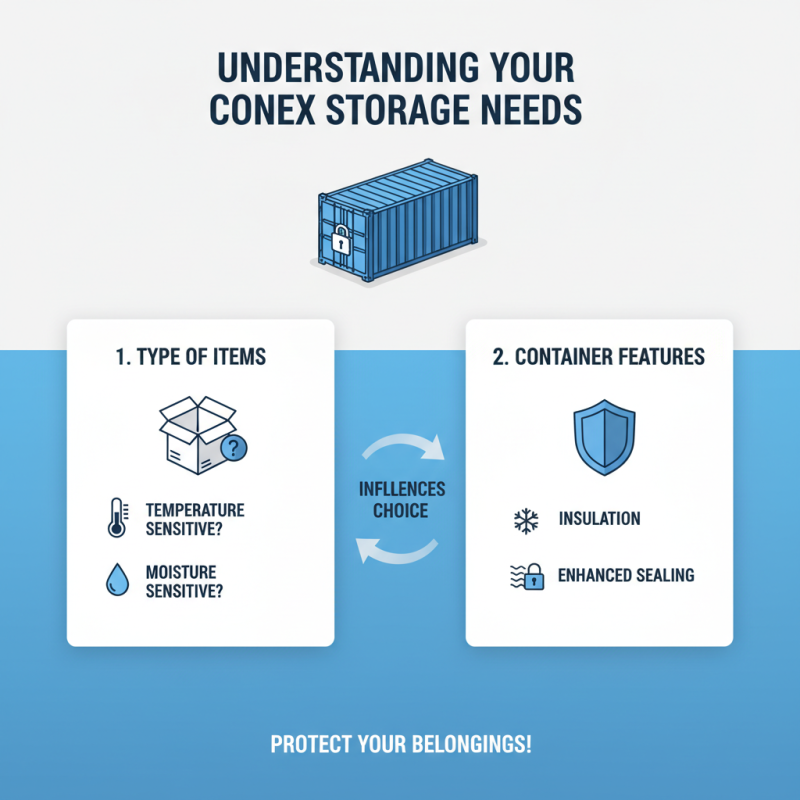
When selecting the right Conex storage containers, understanding your specific needs is crucial. Consider the type of items you plan to store. Are they sensitive to temperature or moisture? This factor will influence your choice of container. Look for options that can provide insulation or enhanced sealing to protect your belongings.
Also, think about the duration of storage. If you need short-term solutions, durability may not be a primary concern. For long-term needs, however, you require strong and resilient materials. Assessing available space for the container is also essential. A precise measure of your area ensures proper fitting.
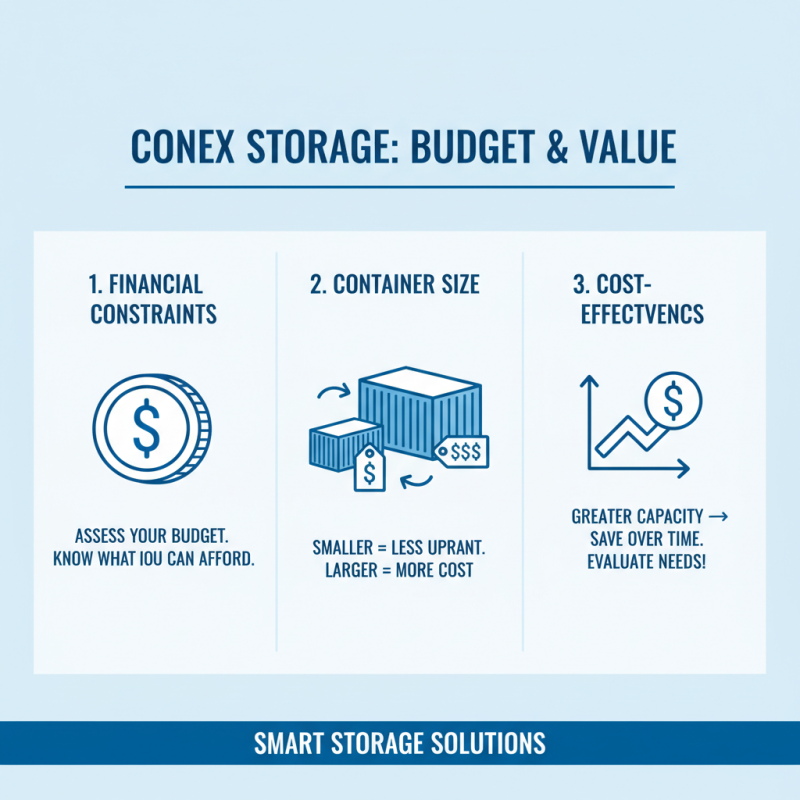
Don't forget to reflect on your budget. Prices vary widely based on size and features. Sometimes, a lower-cost option might seem appealing, but it could lack the resilience needed for your items. Be prepared to weigh the initial expense against potential long-term savings. Making informed choices today will benefit you in the future.
Types of Conex Storage Containers Available
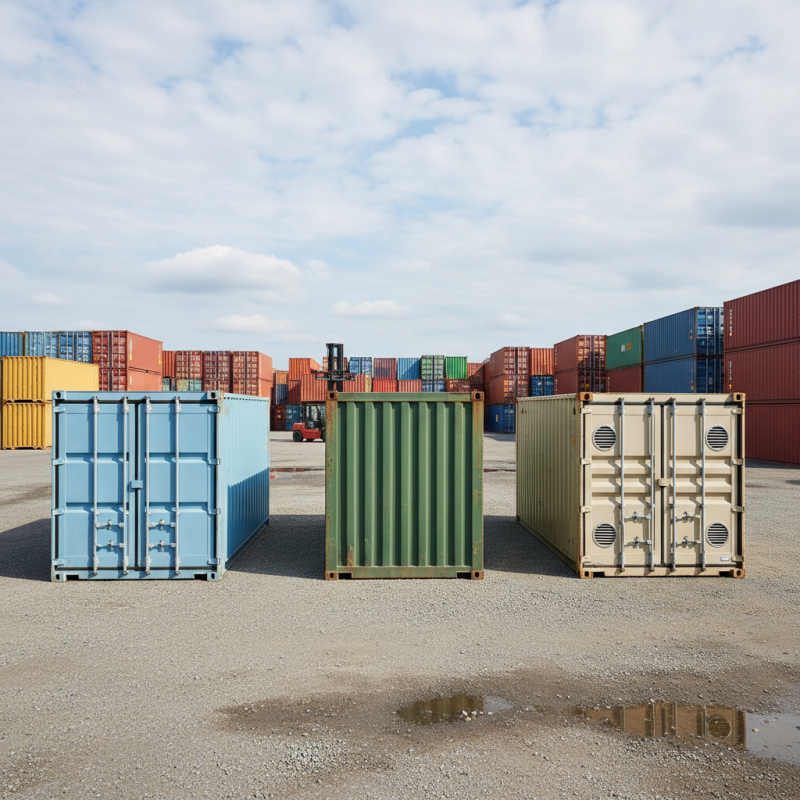
When selecting Conex storage containers, understanding the types available is crucial. These containers vary widely in size and purpose. Standard containers are often 20 or 40 feet long. They are most commonly used for shipping and storage. But what about customized options?
There are insulated containers for climate-sensitive items. These are ideal for perishables or delicate equipment. Additionally, there are open-top containers for oversized cargo. They feature removable tarps, giving you flexible access. Consider also the flat rack containers—great for heavy loads that need to be securely lifted.
Each type has its strengths and weaknesses. Standard containers might lack features for specialized needs. Insulated containers can be costlier. Always assess what suits your situation best. It's easy to overlook the importance of proper selection until a problem arises. Taking time to research will help avoid costly mistakes later.
Types of Conex Storage Containers Available
Key Features to Consider When Choosing Containers
When choosing conex storage containers, several key features deserve your attention. One of these is size. Ensure that your selected container fits the space you have in mind. Measure the area before deciding. Consider your storage needs, whether it’s for construction, equipment, or personal items. A container that is too small will leave you frustrated.
Material quality is also crucial. Conex containers are typically made of steel or aluminum. Steel provides strength and durability, while aluminum offers lightweight options. Assess how much weight and wear the container will endure. This can impact your long-term satisfaction.
Tips: Always check for rust or damage before purchase. A well-maintained container can offer years of service. Remember to think about ventilation. Some items may require air circulation to prevent moisture build-up.
Evaluate security features as well. Locks and reinforced doors are vital for protecting valuable contents. Find a container that meets your security needs. It’s not just about storage; it’s about peace of mind. Sometimes, a lower price can lead to hidden costs in maintenance or security lapses. Think critically before making a choice.
Evaluating Container Size and Space Considerations
When selecting the right Conex storage container, size and space are crucial factors.
According to a report by the Container Owners Association, 75% of logistics professionals highlight
optimal space utilization as a key concern. This statistic underscores the importance of assessing your available area before making a purchase.
Consider your storage needs precisely. A standard 20-foot container offers about 1,170 cubic feet of space,
while a 40-foot container provides approximately 2,390 cubic feet.
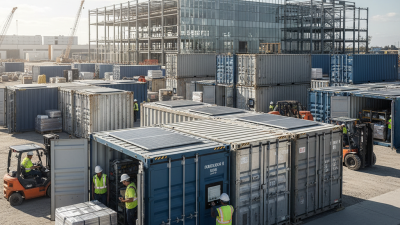
Depending on what you plan to store, the size difference can significantly impact your site’s efficiency. For construction sites, this often translates to
better inventory management and reduced downtime.
It’s also worth reflecting on the logistics of container placement. Inspect the ground where you plan to position your container.
Uneven terrain can lead to stability issues. Additionally, consider how accessibility will affect your operations.
If your container is hard to reach, it may create bottlenecks. Balancing size with practical considerations ensures a smoother operating experience.