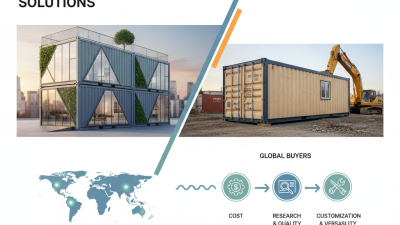
Best Portable Office Container Solutions for Global Buyers?
In today's fast-paced world, the demand for flexible workspaces is increasing. Portable office containers have emerged as a practical solution for businesses seeking adaptability. These structures offer the convenience of mobility and usability across various environments.
Global buyers are exploring multiple options in portable office containers. They may look for unique designs or specific features to meet their needs. Understanding local regulations and site requirements is crucial. This complexity can sometimes feel overwhelming.
Experts believe that evaluating the right portable office container requires careful consideration. Factors such as size, insulation, and security features matter. However, buyers should remain aware of potential pitfalls. Not every solution will suit every requirement. Reflecting on these insights can lead to better decisions and successful implementations.
Overview of Portable Office Containers: Definition and Types
Portable office containers are innovative solutions gaining traction worldwide. These modular spaces can be tailored to various needs. They serve as temporary offices, meeting rooms, or workspaces on construction sites. According to a recent industry report, the market for portable office containers is expected to grow at a CAGR of 5.5% through 2028. This growth reflects a shift towards flexible working arrangements.
The primary types of portable office containers include standard containers, modified containers, and specialized containers. Standard containers offer basic amenities, while modified containers can include electrical installations and HVAC systems. Specialized containers are designed for unique purposes, such as onsite medical facilities. However, choosing the right type can be challenging. Buyers often struggle with factors like layout, size, and compliance with local regulations.
Access to reliable information is crucial for making an informed decision. Buyers should consider factors like durability and customization options. Poor planning can lead to mismatched expectations. Understanding local building codes is essential to avoid costly modifications. A clear outline of needs and consulting with experts can improve outcomes. Investing time in research will pay off in the long run.
Best Portable Office Container Solutions for Global Buyers
| Type |
Size (sq ft) |
Materials |
Typical Use |
Price Range (USD) |
| Standard Office Container |
160 |
Steel |
Remote Site Office |
$3,000 - $5,000 |
| Modular Office Container |
320 |
Aluminum/Steel |
Construction Sites |
$6,000 - $10,000 |
| Luxury Office Container |
200 |
Wood/Steel |
Executive Office |
$10,000 - $20,000 |
| Expandable Office Container |
480 (when expanded) |
Steel |
Events/Temporary Offices |
$8,000 - $12,000 |
| Bathroom Container |
120 |
Fiberglass/Steel |
Construction Site |
$2,000 - $4,000 |
Key Features to Consider When Choosing Portable Office Containers
When selecting portable office containers, buyers should focus on several key features that impact functionality and efficiency. One primary aspect is the size. According to industry reports, the most common dimensions range from 20 to 40 feet. This flexibility allows for customized solutions that can fit various space requirements. An understanding of space needs can save time and resources.
Another crucial feature is insulation. Effective insulation can enhance comfort and reduce energy costs, which is vital for long-term usability. Research shows that properly insulated containers can lower heating and cooling expenses by up to 30%. This can greatly influence the overall operational costs for businesses using these solutions.
**Tip:** Assess the climate of your location when choosing insulation types. Understanding your environment can lead to better decisions.
Security is also critical. Buyers should consider containers equipped with robust locking systems and alarms. It’s estimated that 10% of portable offices face security breaches. Ensuring safety can mitigate risks related to theft and vandalism, providing peace of mind for users.
**Tip:** Conduct a security assessment of your site before purchasing. Awareness of potential risks helps in selecting the right features.
Finally, aesthetics may be overlooked but can impact morale. An appealing work environment boosts productivity. Therefore, consider options that allow for branding or color customization.
**Tip:** Think about how the container fits into your brand identity. It can affect employee satisfaction and client perception.
Best Portable Office Container Solutions for Global Buyers
Comparative Analysis of Top Brands in Portable Office Solutions
In the realm of portable office solutions, several brands are competing for the top spot. These brands differ significantly in design, durability, and functionality. Each brand offers unique features that cater to diverse needs. For instance, some prioritize lightweight materials while others focus on maximum insulation and security.
A notable observation is that certain options lack adequate space for essential furniture. Users often report challenges in ergonomics. Additionally, while aesthetics matter, practicality remains paramount. Some containers might look appealing but fail to provide necessary insulation or electrical options. This discrepancy between appearances and functional design can lead to buyer frustration.
The analysis reveals that reliable customer support varies across brands. Users need assistance during setup or transportation. Poor response times can compound the issues of an already challenging setup process. This inconsistency highlights the importance of researching not just the product features, but also the post-purchase experience.
Cost Factors and Budget Considerations for Global Buyers
When considering portable office containers, cost factors play a pivotal role. According to industry research, the average price for a used container ranges between $2,000 and $5,000. This variation often hinges on the container’s size, condition, and location. For global buyers, shipping costs can also add significantly to the total expenditure. In some cases, shipping costs may account for over 30% of the overall budget. Therefore, feasible budgeting is integral.
Budgeting should also account for customizations. Buyers may need modifications like insulation, plumbing, or electrical systems. These enhancements can add anywhere from $1,000 to $10,000 depending on various specifications. Market trends indicate that containers with integrated technology solutions are gaining popularity, but they often come at a premium. Potential buyers might overlook specific requirements, leading to unexpected expenses.
Another critical aspect is maintenance. Regular inspections and upkeep are essential for longevity. Reports show that neglecting maintenance can double repair costs over time. Buyers must be mindful of long-term financial implications. Additionally, choosing eco-friendly options, while often initially more expensive, can provide long-term savings through reduced energy costs. Evaluating these multifaceted factors requires diligence and market insight. When done correctly, investing in portable office containers can yield considerable benefits.
Sustainability and Eco-Friendly Options in Portable Office Containers
The demand for sustainable portable office containers is rising. Eco-friendly designs are transforming how businesses operate. According to a recent industry report, 45% of companies now prioritize sustainability in their building solutions. This trend reflects a growing awareness of environmental responsibilities.
Many portable office containers are made from recycled materials. Steel and other reusable resources help minimize waste. These containers can be repurposed or fully recycled at the end of their life cycle. However, it’s crucial to evaluate insulation and energy efficiency. Poor insulation can lead to higher energy costs and a larger carbon footprint.
Natural lighting also plays a significant role in creating a sustainable workspace. Many designs incorporate windows and skylights to reduce reliance on artificial lighting. Despite this, some containers still lack adequate ventilation. This can affect air quality and worker comfort. Therefore, choosing the right design is essential for sustainability success. Balancing aesthetics, functionality, and eco-friendliness requires careful thought.