China Top 10 Metal Storage Container Suppliers?

Choosing China’s top 10 metal storage containers suppliers requires more than comparing website claims. Buyers need evidence from factory inspections, product samples, certification records, and customer feedback. A reliable supplier should demonstrate consistent welding, accurate dimensions, secure doors, and corrosion-resistant finishes. Small details matter. Poor drainage can damage stored equipment after one heavy storm.

This guide examines manufacturers serving construction, logistics, agriculture, retail, and industrial storage markets. It considers production capacity, material grades, customization, delivery performance, quality control, and after-sales support. Supplier transparency also matters. Can the company explain its steel thickness clearly? Can it provide inspection photographs, load data, and traceable test documents? These questions often separate experienced manufacturers from attractive but unproven listings.

Industrial design expert Dieter Rams offered a useful principle: “Good design is as little design as possible.” For metal storage containers, that idea means practical engineering rather than unnecessary features. Strong hinges, replaceable seals, ventilation, and simple locking systems may provide more value than decorative upgrades. Still, no ranking is perfect. Prices change, factories expand, and performance can vary between batches. That limitation deserves attention.

The companies selected here represent promising options, not automatic purchasing decisions. Buyers should verify current specifications directly and request a pre-shipment inspection when the order is significant. A container may look excellent in photographs yet perform poorly on a humid jobsite. Careful comparison remains essential.

China Top 10 Metal Storage Container Suppliers?

Definition and Role of Metal Storage Container Suppliers in China

China Top 10 Metal Storage Container Suppliers?

Metal storage container suppliers in China do more than sell steel boxes. They convert sheet metal into tested systems for warehousing, transport, workshops, and industrial storage. Their work may include cutting, stamping, welding, powder coating, galvanizing, and quality inspection. A reliable supplier also checks lid alignment, weld strength, load capacity, and corrosion resistance. Small details matter. One uneven seam can weaken an entire container.

The World Steel Association reported global crude steel production of about 1.89 billion tonnes in 2023. This large material base supports China’s extensive metal fabrication sector. UN Comtrade data also identifies China as a major exporter of iron and steel articles, although product classifications differ between markets. Therefore, supplier selection should not rely only on export volume. Buyers need factory audits, material certificates, production samples, and traceable inspection records. In practice, some suppliers communicate well but document poorly. That deserves careful reflection.

Tips: Ask for the steel grade, thickness tolerance, coating specification, and tested load capacity. Request photos of welding points and packaging before shipment. Confirm dimensions in millimetres, not informal descriptions. Check whether the supplier can provide inspection reports from an independent laboratory. A lower price may hide thinner steel or weaker surface treatment. For long-term storage, review humidity, stacking height, and handling equipment requirements. These questions make the “top 10” list more useful, because performance depends on evidence, not attractive catalog images.

Key Types of Metal Storage Containers Available from Chinese Suppliers

Key Types of Metal Storage Containers Available from Chinese Suppliers

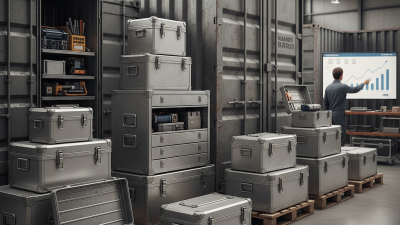
Chinese suppliers commonly produce steel drums, metal bins, storage cabinets, lockers, and modular containers. Each type serves a different storage environment. Steel drums suit liquids, powders, and industrial materials when certified for the intended use. Stackable metal bins work well for small parts, fasteners, and workshop tools. Their front openings reduce picking time.

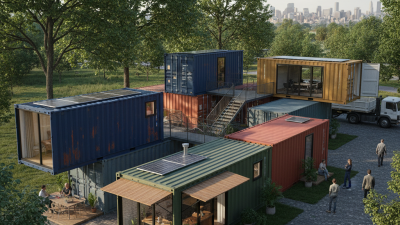
Metal cabinets offer enclosed storage for equipment, documents, or maintenance supplies. Lockers support factories, schools, and staff areas. Larger modular containers provide weather-resistant space for machinery, spare parts, and site materials. Galvanized steel can improve corrosion resistance, while powder coating adds surface protection and color control.

Tips: Confirm steel grade, wall thickness, load capacity, weld quality, and door alignment. Request drawings, inspection records, and sample photos before placing a bulk order. Check whether hinges, locks, shelves, and ventilation meet your actual use. A polished finish can hide weak welds. Do not judge durability by appearance alone.

One common mistake is choosing a container by size only. Measure aisles, lifting points, door clearance, and available floor strength. Ask about humidity exposure and temperature changes. Suppliers with clear quality procedures should explain material testing and packing methods. Still, specifications may not reveal every practical weakness. A trial order can expose sharp edges, unstable shelves, or poor drainage before larger production begins.

China Top 10 Metal Storage Container Suppliers? - Key Types of Metal Storage Containers Available from Chinese Suppliers
No. Metal Storage Container Type Typical Capacity or Size Common Material Typical Sheet Thickness Loading and Access Typical Applications Common Surface Finish Common Customization Options
1 Steel Storage Cabinets Approx. 0.3–1.2 m³; commonly 900–2000 mm high Cold-rolled steel sheet Approx. 0.6–1.5 mm Swing, sliding, or tambour doors; adjustable shelves Factories, warehouses, offices, workshops, and archives Powder coating or baked enamel Dimensions, shelf layout, locks, handles, color, and labeling
2 Metal Tool Chests and Tool Cabinets Approx. 0.1–0.8 m³; drawer modules typically 5–12 drawers Cold-rolled steel; stainless steel for special environments Approx. 0.7–1.5 mm Full-extension drawers, trays, cabinet doors, and casters Maintenance workshops, automotive service, production lines, and garages Powder coating with corrosion-resistant pretreatment Drawer quantity, drawer load rating, wheels, foam inserts, and central locking
3 Steel Pallet Boxes Approx. 0.3–1.5 m³; typical footprint near 1200 × 800 or 1200 × 1000 mm Welded carbon steel or galvanized steel Approx. 1.5–3.0 mm Forklift pockets; stackable body; removable or hinged sides Automotive parts, heavy components, machinery, and returnable logistics Powder coating, paint, or hot-dip galvanizing Foldable design, access doors, dividers, lids, drain holes, and load rating
4 Wire Mesh Storage Containers Approx. 0.3–1.2 m³; standard pallet-compatible footprints are common Low-carbon steel wire and formed steel frames Wire diameter commonly 3–6 mm Forklift access; stackable; half-drop or full-drop gate options Warehouses, distribution centers, recycling operations, and component storage Electro-galvanized or hot-dip galvanized finish Mesh opening, height, gate configuration, folding structure, and stacking feet
5 ISO Shipping and Freight Containers Common nominal lengths: 6.1 m, 12.2 m, and 13.7 m; approximately 33–76 m³ Corten weathering steel with marine-grade plywood flooring Panels commonly about 1.6–2.0 mm, depending on location Double cargo doors; corner castings for lifting and stacking International transport, site storage, construction, and modular conversion Marine paint system with corrosion protection Side doors, windows, ventilation, insulation, electrical systems, and partitions
6 Outdoor Metal Storage Sheds Approx. 2–30 m³; compact and walk-in formats available Galvanized steel or pre-painted steel sheet Approx. 0.4–1.0 mm Single or double doors; hinged or sliding roof and wall panels Gardens, commercial premises, farms, construction sites, and utility areas Pre-painted galvanized steel or powder coating Roof shape, ventilation, skylights, doors, floor systems, and color
7 Metal Lockers and Compartment Cabinets Typically 2–6 compartments; individual compartments about 20–60 L Cold-rolled steel sheet Approx. 0.6–1.2 mm Key, padlock, combination, or electronic locking systems Factories, schools, gyms, hospitals, warehouses, and staff facilities Powder coating with optional antibacterial coating Compartment size, number of doors, vents, sloped tops, benches, and locks
8 Metal Waste and Recycling Containers Approx. 60–1100 L; wheeled formats are widely used Galvanized steel or painted carbon steel Approx. 0.8–2.0 mm Top-opening lid; two or four casters; optional pedal mechanism Industrial waste, commercial recycling, municipal collection, and facility management Hot-dip galvanizing, powder coating, or weather-resistant paint Capacity, lid type, caster size, color coding, labels, and separate compartments
9 Safety and Flammable-Liquid Storage Cabinets Common capacities: 4–110 gallons, approximately 15–415 L Double-wall steel with an air gap between walls Commonly 0.8–1.5 mm per steel wall, subject to design Lockable doors; adjustable shelves; leak-containment sump Laboratories, factories, maintenance rooms, and chemical handling areas High-visibility powder coating with chemical-resistant finish Door style, shelf load, ventilation ports, grounding points, and warning labels
10 Gas Cylinder Storage Cages Typically 2–24 cylinders, depending on cylinder diameter and layout Galvanized steel mesh, tubular steel, or welded frame steel Frame commonly 2–5 mm; mesh wire commonly 3–6 mm Lockable gate; restrained upright storage; forklift-compatible base options Factories, laboratories, hospitals, workshops, and construction sites Hot-dip galvanizing or outdoor powder coating Cylinder count, cage dimensions, roof, ramps, ventilation, partitions, and signage

Criteria for Evaluating China’s Leading Metal Container Manufacturers

China’s top metal storage container suppliers should be judged by evidence, not attractive catalogs. A reliable manufacturer explains steel grades, wall thickness, welding methods, and surface treatments clearly. Inspect the container’s corners, door alignment, hinges, and drainage points. Small gaps can reveal weak quality control. Load capacity should match documented test results, not only sales claims. Factory records, inspection reports, and material traceability also deserve attention. Experience matters here.

Tips: Request a production sample before placing a large order. Compare its measured dimensions with the approved drawings. Check coating adhesion after light impact and inspect welds under bright lighting. Ask how defects are recorded and corrected. Slow answers may signal weak after-sales support.

A professional supplier should provide consistent specifications across batches. Production capacity must be supported by equipment, trained workers, and realistic lead times. Independent inspections can reduce uncertainty before shipment. Export experience is useful, but local compliance requirements still need confirmation. I once focused too heavily on price and overlooked packaging details. That mistake showed me how dents can begin before loading. Cost still matters, but the cheapest offer is rarely the safest benchmark. Transparent communication, repeatable testing, and practical service are stronger signs of a dependable metal container manufacturer.

China’s Top 10 Metal Storage Container Suppliers

China’s Top 10 Metal Storage Container Suppliers should be assessed by production evidence, not catalog size. China produced about 1,005 million metric tons of crude steel in 2024, according to the World Steel Association. This supply depth supports competitive access to galvanized sheets, cold-rolled steel, and structural components.

A practical shortlist should examine welding consistency, door alignment, coating thickness, load testing, and export experience. Factory audits matter. So do independent sample inspections. UN Comtrade data under HS 9403 shows China remains a major exporter of metal furniture and related storage products. However, this classification includes broader furniture categories, so it cannot prove container rankings alone. That limitation deserves attention.

The strongest suppliers usually provide material certificates, dimensional drawings, packing tests, and clear production schedules. Look for powder coatings tested for adhesion and corrosion resistance, especially for humid warehouses. A 2024 industry analysis by Grand View Research also links warehouse expansion and e-commerce growth with rising demand for organized storage systems. Yet supplier claims can still be optimistic. I would verify monthly capacity through recent orders, not promises. Ask for three production samples. Check the corners, hinges, locks, and base welds by hand. Small defects become expensive during container loading. A top-ten list is useful only when its evidence remains visible.

How to Select the Right Chinese Supplier for Your Storage Needs

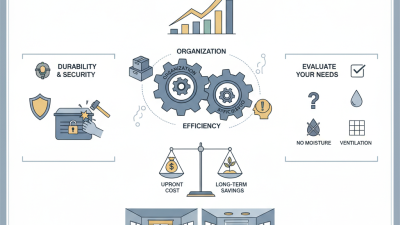
Selecting a Chinese metal storage container supplier requires more than comparing catalog prices. In practice, the right choice begins with measurable requirements: steel grade, wall thickness, dimensions, load rating, coating, and service environment. Ask for factory photos, production records, and recent test reports. Verify that documents match the actual model. A neat certificate proves little alone.

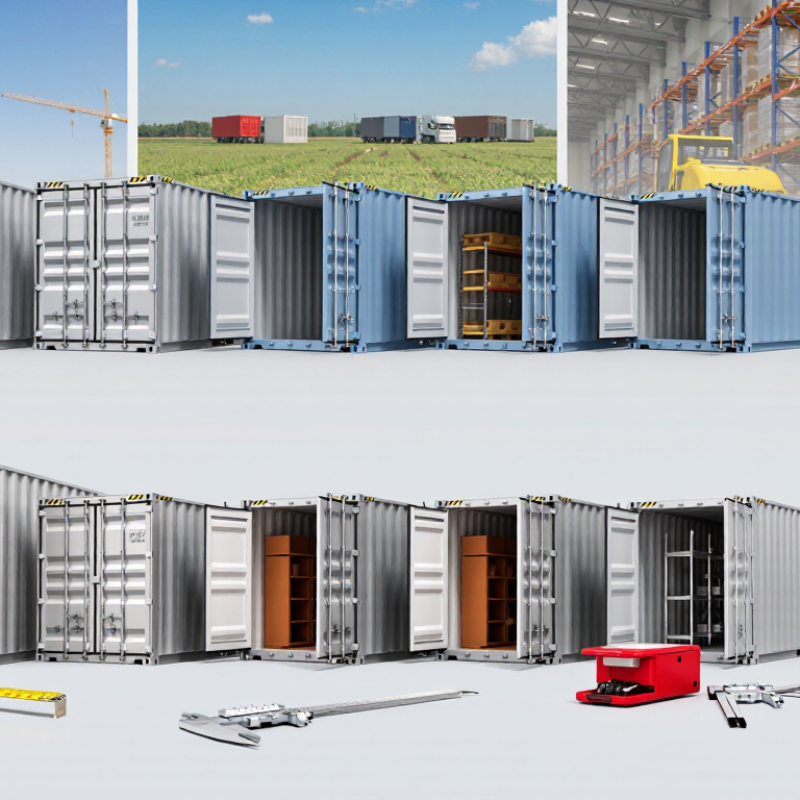
Tips: Request one sample before placing a large order. Check weld consistency, door alignment, hinge movement, drainage, and coating coverage. Use calipers to confirm thickness. Ask how defects are recorded and corrected. Clarify packaging, inspection stages, replacement terms, and delivery responsibility in writing. An independent inspection can expose problems early.

Reliable suppliers communicate precise tolerances and admit limitations. That matters when containers face humidity, outdoor storage, or frequent handling. Compare total cost, not only unit price. Include tooling, inland transport, export packing, inspection, and spare parts.

During a factory review, watch material flow and labeling. I have learned that an impressive showroom can distract from weak process control. My own mistake was trusting a fast reply as proof of capacity. A slower, detailed answer may be more credible. Keep asking for evidence.