Top 10 Home Elevators in China What to Consider?
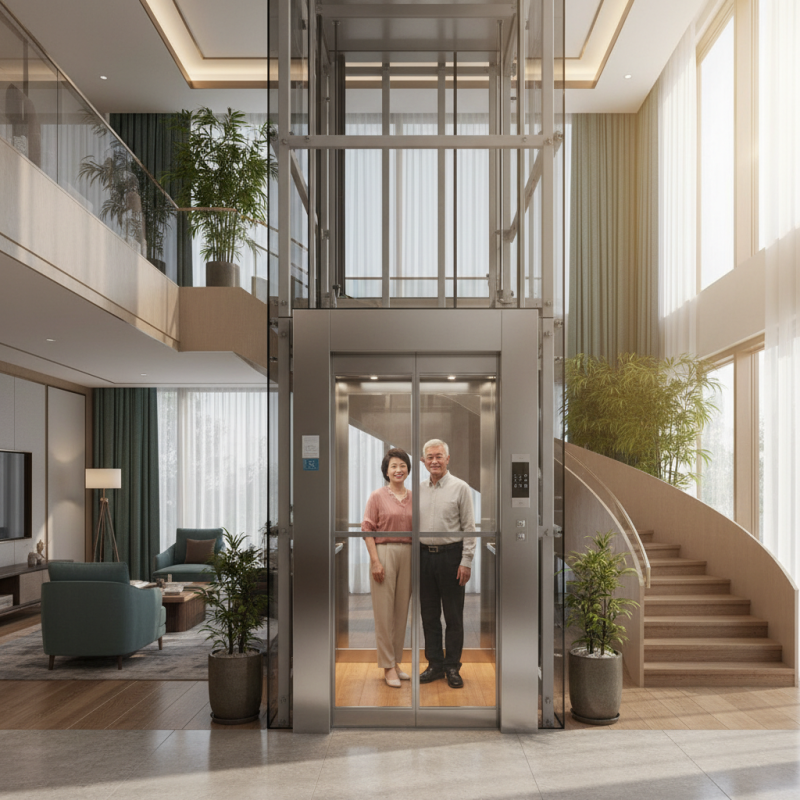
Home Elevators are becoming essential in modern homes across China. They offer convenience, especially for those with mobility issues. This rising trend reflects a shift in home design preferences.
When choosing a home elevator, several factors must be considered. Size is critical; not all homes can accommodate larger models. Weight capacity is another important detail. A typical home elevator can support between 450 to 1,000 pounds.
Safety features also matter. Look for models with emergency brakes and power failure measures. Aesthetic appeal should not be overlooked, as many homeowners desire elegant designs. While costs can vary, investing in a quality home elevator is often worth it. Balancing practical needs and personal style can be challenging. But with thoughtful research, a perfect choice can be made.
Top 10 Home Elevators in China: An Overview
Home elevators have gained popularity in China. They offer convenience and accessibility in multi-level homes. In a report by the China Elevator Association, the market for residential elevators is expected to grow by 15% annually. This is a significant increase, reflecting the rising demand for luxury living spaces.
Many factors influence the decision to install a home elevator. Space is crucial. Some homes may not have enough room for standard models. In tight areas, compact designs are crucial. Safety features also matter. Consumers should look for reliable options with modern safety systems. In fact, a study highlighted that 30% of homeowners prioritize safety above all else.
Cost is another important aspect to consider. Prices can vary widely. A typical home elevator installation might range from 80,000 to 200,000 yuan. This price can sometimes deter potential buyers. Maintenance costs should also be identified. Regular upkeep is essential, yet often overlooked. Buyers may need to think about these ongoing expenses before making a decision.
Factors to Consider When Choosing a Home Elevator
When considering a home elevator, several factors come into play. The size and dimensions of the elevator should match your home layout. Most residential elevators have a footprint of about 4 to 6 square feet. This space can greatly influence the design and material choice. The average weight capacity is around 500 to 1,000 pounds. It’s essential to think about your specific needs.
Safety features are vital when selecting an elevator. Look for options with multiple emergency protocols. A report from the National Elevator Industry, Inc. reveals that 33% of elevator-related accidents stem from improper use. This shows the importance of user-friendly controls and safety mechanisms. Maintenance considerations also matter. Regular checks can prevent costly repairs and ensure long-term reliability. Some models require monthly inspections, while others suggest annual check-ups.
Cost is another critical aspect. The average price range for a home elevator can vary widely. Some reports indicate a typical range between $20,000 to $50,000. This is only the initial investment; ongoing maintenance adds to the total cost. Many homeowners overlook this, leading to unexpected financial strains. Evaluating your budget accurately before making a decision is crucial.
Popular Home Elevator Brands in China
When choosing a home elevator, several popular brands in China stand out for quality and performance. Home elevators can enhance accessibility and add value to a property. Brands often provide a variety of models with different sizes and styles to meet diverse needs. Look for options that complement your home’s design. Mini elevators are great for smaller spaces. They can fit snugly in any corner.
Tips: Consider energy efficiency. Some models utilize less power but still deliver excellent performance. Maintenance is another critical factor. Opt for brands that offer reliable service plans. Regular check-ups ensure safety and prolong lifespan.
It's essential to evaluate your specific requirements. Think about weight capacity and usage frequency. Some families may need their elevator for daily use, while others might only need it occasionally. It can be disappointing if the elevator fails to meet expectations. Try visiting showrooms to assess materials and space. Experience the elevators firsthand to determine comfort and noise levels.
Top 10 Home Elevators in China - What to Consider?
| Model | Load Capacity (kg) | Speed (m/s) | Material | Price Range (CNY) | Energy Efficiency |
| Elevator A | 400 | 1.0 | Steel | 50,000 - 80,000 | A+ |
| Elevator B | 500 | 1.2 | Aluminum | 60,000 - 90,000 | A |
| Elevator C | 600 | 1.0 | Glass | 70,000 - 110,000 | A+ |
| Elevator D | 400 | 1.5 | Steel | 55,000 - 85,000 | B |
| Elevator E | 300 | 0.8 | Wood | 40,000 - 70,000 | C |
| Elevator F | 700 | 1.0 | Composites | 75,000 - 120,000 | A++ |
Installation Requirements for Home Elevators
When considering the installation of a home elevator, various factors come into play. One major aspect is the structural integrity of your home. The walls and floors need to support the additional weight of the elevator. A professional evaluation is often necessary to determine if your home can accommodate such an installation. Many older homes may have limitations in this regard, creating potential obstacles.
Another important requirement is the available space. Elevators need a shaft, and this can be a challenge in smaller homes. Some designs require more room than others. If space is tight, consider a design that takes less area. Clear access points are crucial too. The area around the elevator should be free of any obstructions.
Regulations and permits are sometimes overlooked but are critical. Local building codes may dictate specific requirements. Not having the right permits can lead to significant delays or fines. Each home is unique, and sometimes you need to adapt plans. Collaborating with professionals can help navigate these complexities. Balancing aesthetics and functionality can be tricky. The right choice should enhance your home, not detract from it.
Maintenance Tips for Home Elevators in Residential Settings
When investing in a home elevator, maintenance is key. Research indicates that proper upkeep can extend an elevator's lifespan by 30%. Without regular checks, elevators may face unexpected failures.
One critical tip is to schedule routine inspections. Have a qualified technician assess the system at least once a year. This proactive approach can identify potential issues early. Failing to address minor problems can lead to costly repairs later.
Another essential aspect is to keep the elevator clean. Dust and debris can accumulate in the machinery and hinder performance. Regularly inspect and clean the elevator's interior and exterior. Lack of attention to cleanliness can result in slippery surfaces and safety hazards.
Pay attention to the elevator's hydraulic fluid levels if applicable. Low fluid levels can lead to inefficient operation and ultimately affect the speed and reliability of the lift. Ignoring this straightforward check could cause frustration during daily use.
In residential settings, ensuring your elevator functions well is vital. Regular maintenance not only keeps it operational but ultimately provides peace of mind for users.
Top 10 Home Elevators in China