Top 10 Uses for 40 Foot Shipping Containers You Should Know?
In today's world, 40 foot shipping containers have become a versatile solution for various needs. Their sturdy design allows for endless possibilities. Businesses, artists, and homeowners are using them creatively to meet unique demands.
These containers can serve as pop-up shops, storage units, or even homes. Imagine a cozy studio or an office built from a 40 foot shipping container. Each use highlights the innovative potential of this shipping solution. However, it's important to consider the drawbacks. Not all projects go as planned, and some containers may require significant modifications.
The trend of using 40 foot shipping containers is growing, but it's not always perfect. Quality can vary, and not all containers are equal. Users need to reflect on their choices and research thoroughly. With careful consideration, these containers can transform spaces and add value to projects.
Innovative Storage Solutions Using 40-Foot Shipping Containers
40-foot shipping containers are more than just transport vessels. They have become innovative solutions for storage needs across various industries. According to industry reports, the global portable storage market is expected to reach $43 billion by 2026. This growth underscores the demand for versatile storage options like shipping containers.
Containers offer practical solutions for both businesses and individuals. For urban settings, they can serve as compact storage units, minimizing rental costs. People often convert them into workshops or studios.
Surprisingly, however, many users overlook proper ventilation or insulation, which can affect stored items' condition. Regular maintenance is often neglected, leading to rust and deterioration.
Sustainability is another key factor. Containers are recyclable, contributing to a smaller carbon footprint. Still, the recycling process is often not transparent. Some containers may have been treated with harmful chemicals that affect their reusability. Users should conduct thorough inspections before repurposing. As the market evolves, better regulations and guidelines must be established to ensure safety and usability.
Transforming Shipping Containers into Mobile Offices
Transforming a 40-foot shipping container into a mobile office is an innovative solution for businesses on the go. These containers are sturdy and versatile. They offer a unique space that’s easy to transport. Imagine a fully functional workspace, equipped with a desk, chairs, and even a small kitchenette. You can create a comfortable atmosphere anywhere you need it.
When designing your mobile office, consider ventilation and natural light. Large windows can brighten up the space and improve mood. You might also want to invest in sustainable energy options, like solar panels. This not only saves energy, but also reduces environmental impact.
Tips: Make a list of essential features. Prioritize your needs carefully. Keep in mind that the space is limited, so avoid clutter. To maximize productivity, customize your office layout. Each element should contribute to your work efficiency. Reflect on your workflow regularly; adjustments may be necessary as needs change.
Top 10 Uses for 40 Foot Shipping Containers You Should Know
| Use Case |
Description |
Benefits |
| Mobile Office |
Converted shipping containers can serve as portable office spaces for remote work or on-site projects. |
Cost-effective, customizable, and portable office solutions. |
| Storage Unit |
Utilizing containers for secure storage of goods and materials. |
Weatherproof, secure, and convenient storage option. |
| Retail Space |
Containers can be converted into pop-up shops or retail spaces. |
Unique aesthetics and flexibility in location. |
| Workshop |
Used as workshops for artisans and craftsmen. |
Affordable and customizable workspaces. |
| Emergency Shelter |
Can be converted into temporary housing for disaster relief. |
Quick setup and durability in adverse conditions. |
| Cafeteria or Food Truck |
Containers can be fitted with kitchens and converted into cafes. |
Mobile and versatile food service solutions. |
| Art Studio |
Used as creative spaces for artists to work on projects. |
Inspiring environments with the ability to personalize the space. |
| Gym |
Converted into a small gym facility for workouts. |
Efficient use of space for fitness enthusiasts. |
| Garden Shed |
Converted into practical storage for gardening tools and supplies. |
Sturdy and weather-resistant gardening solution. |
| Greenhouse |
Some containers can be modified into greenhouses for plant cultivation. |
Sustainable gardening practice with efficient insulation. |
Creative Home Designs: Using Shipping Containers for Housing
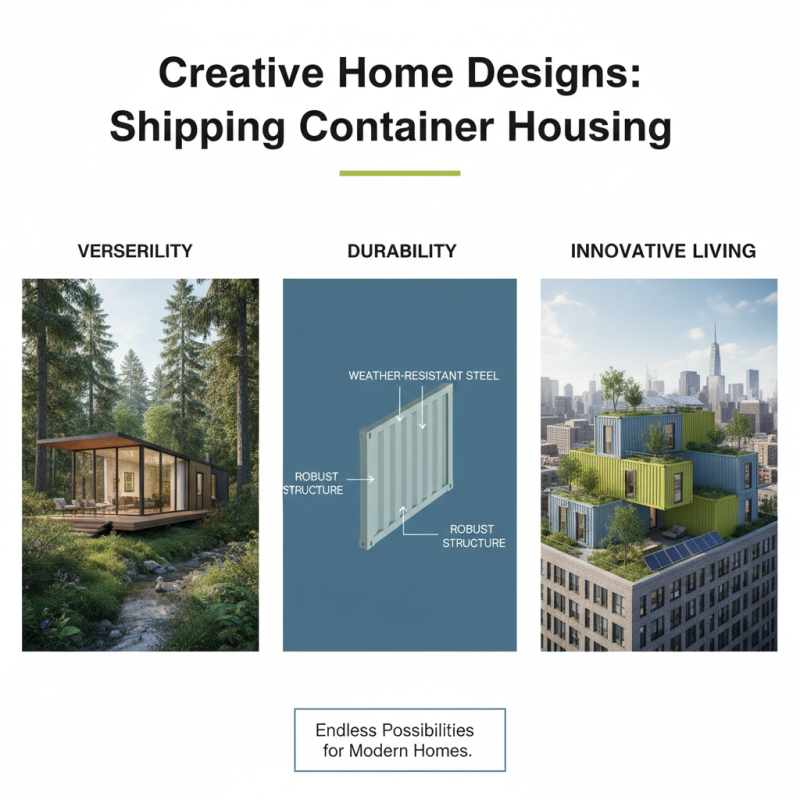
Shipping containers are becoming a popular option for creative housing. Their robust structure offers versatility and durability. Many people have transformed these containers into stylish homes in various environments. Imagine a cozy container home nestled in the woods or a modern design on a urban rooftop. The possibilities are truly endless.
Designing a home from a shipping container does come with challenges. Proper insulation and ventilation are crucial for comfort. Without them, the living space can become too hot or cold. Finding the right location also requires careful planning. A beautiful view may come with unforeseen weather conditions that affect the container. Further, connecting utilities can complicate the process.
Inside, the layout can be uniquely tailored to one's needs. Open spaces can create a sense of freedom, while designated areas can provide privacy. People often feel a personal connection to their container home. They reflect creativity and resourcefulness. Yet, some may struggle with limited space, making organization essential. Balancing aesthetics and functionality is key to a successful container home design.
Eco-Friendly Farming: Utilizing Containers for Urban Agriculture
Urban agriculture is gaining momentum. Shipping containers are at the forefront of this movement. Many cities face space limitations. Transforming a 40-foot shipping container into a farm can produce food sustainably. According to a report by the United Nations, 55% of the world's population lives in urban areas. This number is expected to increase, making urban farming essential.
Using shipping containers for farming can significantly reduce carbon footprints. They can be solar-powered, using renewable energy. Container farms use 90% less water than traditional farms. A study by the National Resources Defense Council states that urban farms can help reduce food deserts. Communities gain access to fresh produce. With innovative technologies, crops can grow year-round.
However, challenges exist. Not all areas can support container farms effectively. Initial setup costs might deter potential farmers. Additionally, managing temperature and humidity is crucial for crop health. Not every crop thrives in a confined space. Research on different plants’ adaptability is still ongoing. This reflects the need for continuous innovation in urban agriculture. It’s an exciting yet evolving field.
Container-Based Retail: A New Trend in Pop-Up Shops
The concept of container-based retail is gaining traction.
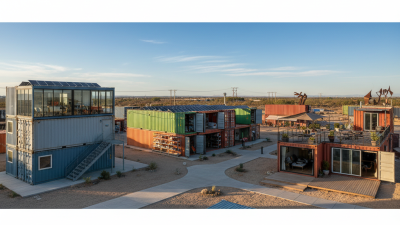
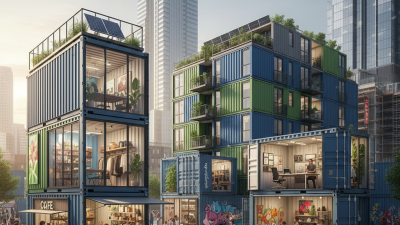
Pop-up shops made from shipping containers bring a fresh vibe to shopping. They can be placed almost anywhere. Think urban streets, parks, or festivals. These unique shops draw in crowds with their bold designs and creative layouts.
Setting up a container shop offers flexibility. Retailers can change locations easily, adapting to trends or events. But it's not without its challenges. Not all containers are in good shape. Proper insulation and ventilation are crucial for comfort. Retailers must also think about accessibility. If a location is hard to reach, foot traffic may suffer.
The aesthetics of these shops are diverse, combining rustic charm with modern flair. A container can showcase local artists' works or serve gourmet food.
However, some might find it hard to stand out in busy areas. Unique, eye-catching branding becomes essential. This means more than just a sign on the door. It involves engaging the community and creating an experience.