How to Use Steel Shipping Containers for Effective Storage?
Using steel shipping containers for storage has become increasingly popular. These durable, weather-resistant units offer a versatile solution for various storage needs. According to industry expert Tom Richards, “Steel shipping containers are the backbone of modern storage solutions.” His insights highlight the growing significance of these containers in both residential and commercial contexts.
When considering effective storage using steel shipping containers, one must think about their adaptability. They come in various sizes, catering to different items. However, not everyone realizes that proper insulation and ventilation are crucial. Without these, contents can suffer from humidity damage.
The use of steel shipping containers does present some challenges. For instance, they can be heavy and require transportation logistics. Moreover, while they are a secure option, it's vital to invest in locks and security measures. Reflecting on these elements can lead to a more efficient and sustainable storage solution.

Understanding the Benefits of Steel Shipping Containers for Storage
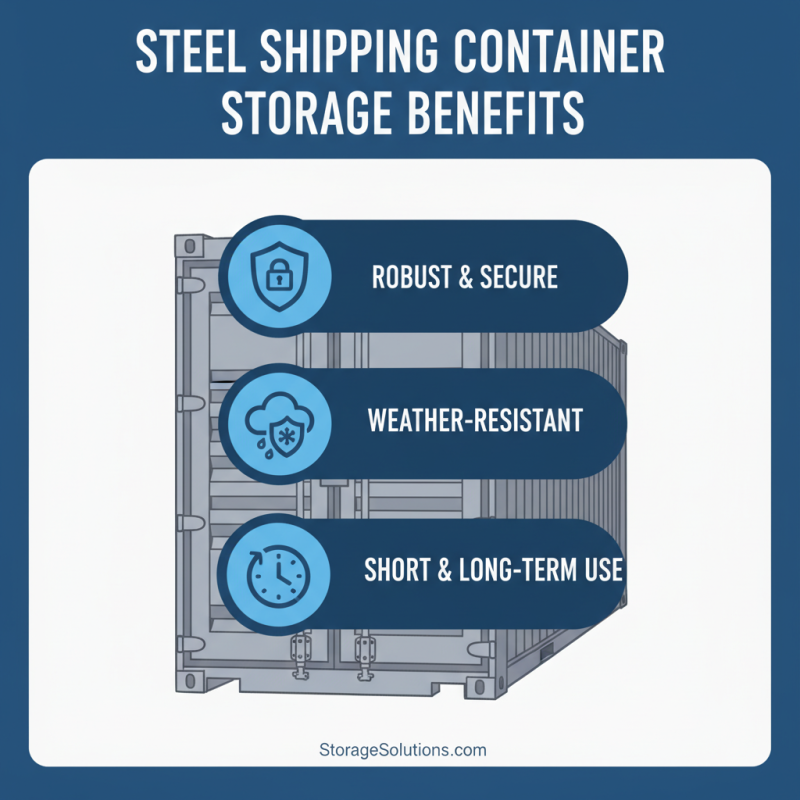
Steel shipping containers have gained popularity for storage solutions due to their unique benefits. These containers are sturdy and durable, making them excellent for both short-term and long-term use. Their resistance to weather elements ensures that your items remain safe from rain, wind, and snow. This quality is particularly valuable for outdoor storage.
Security is another crucial advantage. Steel containers can be locked, providing an extra layer of protection for your belongings. This is essential for businesses storing valuable equipment or personal items. The portable nature of these containers adds versatility. You can move them easily, which is useful in various situations. However, not all containers are the same, and choosing the right type is important.
Using steel shipping containers also presents challenges. They can be heavy, making relocation tricky without proper equipment. Condensation can occur inside if not ventilated properly, leading to potential damage. Additionally, the initial cost may be high, but the long-term benefits often outweigh this investment. Being aware of these factors can help you make informed decisions for your storage needs.
Selecting the Right Size and Type of Steel Shipping Container
When selecting the right size and type of steel shipping container for effective storage, consider your specific needs. Containers come in various sizes, typically 20-foot or 40-foot options. A study published by the Container Owners Association noted that these sizes can provide flexibility for different storage requirements. Utilizing the right dimensions can optimize space and improve accessibility.
Consider your inventory type. If you store large, bulky items, a standard container may suffice. However, if you have smaller items, you may need custom shelving. Aim for a container that suits your stock to avoid wasted space. This can significantly impact efficiency and retrieval times.
Tip: Measure your items before deciding on a container. This precise approach can save you from costly mistakes.
Also, be aware of potential imperfections in your container. Rust and dents can affect its usability. Inspect your container thoroughly before purchase. Regular maintenance ensures longevity and security for your stored goods.
Tip: Keep an inventory record for easy tracking. This can help you adjust storage as needs change.
Preparing Your Space for Container Installation and Setup
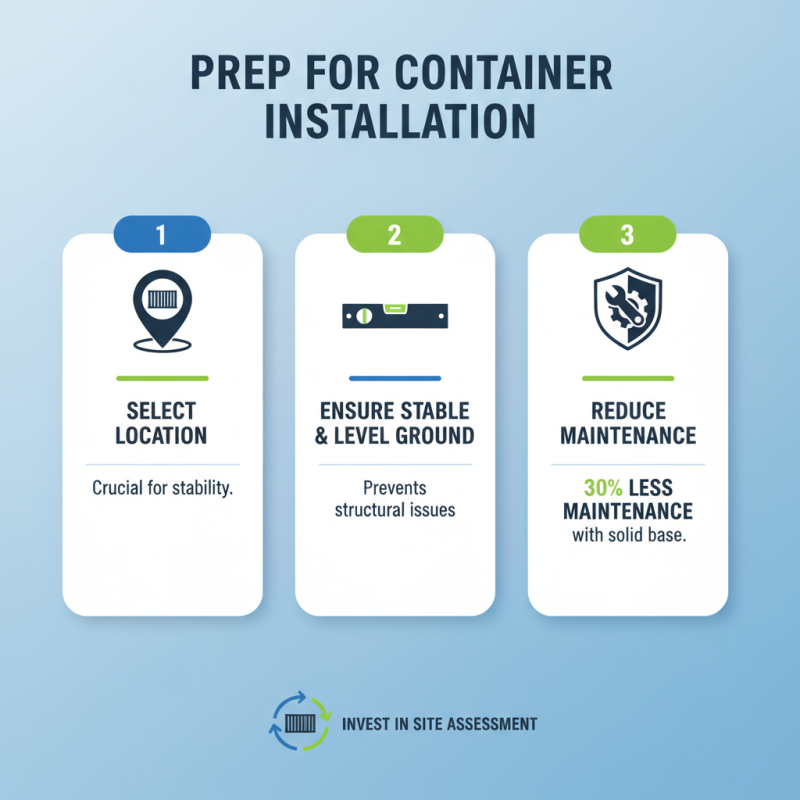
When preparing for the installation of steel shipping containers, several essential factors should be considered. First, selecting the right location is crucial. The ground must be stable and level to prevent structural issues. Research indicates that a solid base can reduce maintenance needs by up to 30%. Therefore, investing time in site assessment can pay off significantly in the long run.
Next, consider accessibility for delivery trucks. The area should accommodate large vehicles with ease. It’s wise to measure the width and height of entrances. A minor oversight here can lead to delivery delays and increased costs. Up to 20% of container setups face logistical challenges due to poor planning. Ensuring a clear path can save time and avoid frustration.
Lastly, ensure compliance with local regulations. Understanding zoning laws is vital, as they can dictate container placement. Many regions require permits, and failure to comply can lead to fines. In some cases, permanent installation may not be permitted at all. Consulting with local authorities or a professional can help navigate these complexities. The investment of care and attention in preparation leads to effective long-term storage solutions.
Best Practices for Organizing and Maximizing Storage in Containers
Utilizing steel shipping containers for storage can be highly effective if organized well.
Optimizing space is crucial, as studies show that businesses can save up to 30% in storage costs when using containers efficiently.
One key strategy is to prioritize vertical space. Adding shelves can facilitate better arrangement. Many experts suggest using stackable bins to maximize every inch of space.
An effective labeling system is also essential. Clear labels help locate items quickly. Research indicates that organizations with systematic labeling find items
50% faster than those without. Consider color coding: it simplifies identification and speeds up the retrieval process.
Tip: Create a floor plan before filling the container. Visualize where each item belongs. Use lightweight containers for easy maneuvering.
Review the layout every few months, as needs may change. Containers can become cluttered, so regular audits of contents can enhance efficiency.
This practice also allows you to identify unused items or potential hazards.
Maintaining and Securing Your Steel Shipping Containers for Longevity
Proper maintenance of steel shipping containers is essential for their longevity. Regular inspections can identify issues like rust, dents, or leaks. Keeping the door seals intact prevents water damage. Inspecting the flooring for damage is also crucial. If you notice any soft spots, repair them promptly.
Security is another vital aspect. Installing locks and considering alarms can deter theft. Positioning containers in well-lit areas enhances security. You might even consider fencing around the storage area. Many overlook the value of this simple step.
Ventilation is important for preserving contents. Without it, moisture can build up and cause problems. Adding vents can help reduce humidity levels. Storing items in protective coverings can also safeguard them. Regularly reviewing your storage setup is necessary. Assess what works and what doesn’t. Adjusting your methods can lead to better organization and efficiency.
How to Use Steel Shipping Containers for Effective Storage?
| Dimension |
Description |
Maintenance Tips |
Security Measures |
| Standard Container Size |
20 ft and 40 ft options for versatile storage needs |
Regularly inspect for rust and maintain proper drainage |
Install padlocks, CCTV, and security alarms |
| Ventilation |
Ensure airflow to prevent moisture buildup |
Add vents or fans for better air circulation |
Use locking mechanisms and reinforced doors |
| Organization |
Use shelving and pallets to maximize space |
Label items and maintain an inventory list |
Implement a visitor log and access control |
| Weather Protection |
Protect contents from extreme weather |
Use tarps or waterproof covers when necessary |
Ensure container is located in a secure area |