Choosing the 2026 best 10x10 container requires more than comparing online prices. Global buyers need practical evidence: internal dimensions, maximum payload, door clearance, floor condition, ventilation, and corrosion resistance. A container may look excellent in photographs, yet show rust beneath the floor rails. Small details matter.
Marc Levinson, author of The Box, famously describes containerization as a force that “made the world economy bigger and the world smaller.” His observation still fits today’s purchasing decisions. A reliable 10x10 container can protect machinery, seasonal inventory, documents, or household goods during storage and transport. However, its value depends on manufacturing quality, inspection records, and the supplier’s ability to provide consistent specifications. The label alone proves little.
This guide examines the strongest options for international buyers in 2026. It considers steel thickness, weather seals, locking bars, paint systems, delivery support, and after-sales service. Buyers should also confirm applicable local requirements before ordering. A cheap unit with weak doors can create expensive delays. That is not always obvious.
No checklist is perfect. Regional availability changes. Freight costs move quickly. Still, careful comparison reduces avoidable risk. The best 10x10 container is not necessarily the newest or cheapest model. It is the one that matches the intended load, climate, handling method, and storage period. Photos help. Inspection evidence helps more.
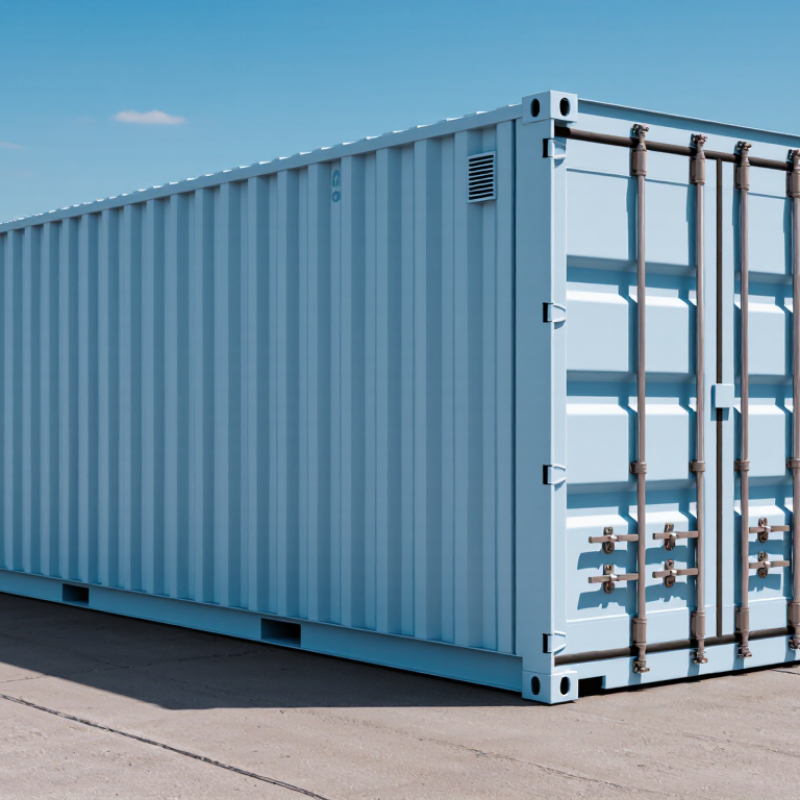
2026 Best 10x10 Container for Global Buyers?
A 10x10 container usually describes a storage unit measuring about 10 feet by 10 feet. However, the term is not fully standardized worldwide. Some sellers use it for a 10-foot shipping container, which is normally narrower than 10 feet. Global buyers should confirm external dimensions, internal space, door width, and usable height before ordering.
This size suits small inventory, tools, seasonal goods, documents, or equipment for a construction site. A 10x10 unit can create valuable space beside a warehouse or retail facility. It may also support temporary storage during relocation, renovation, or regional distribution. Space matters. A simple floor plan helps estimate pallet positions and walking clearance.
Material quality deserves close attention. Inspect welds, corner posts, door seals, floor condition, ventilation, and visible corrosion. Check the container’s empty weight and the delivery vehicle’s access requirements. If ocean transport is planned, ask for valid structural and transport documentation. A storage model may not be suitable for international shipping. That distinction is often missed.
Weather exposure changes the buying decision. Hot coastal areas need stronger corrosion protection, while cold regions may require improved insulation. Security hardware should fit local safety requirements without blocking emergency access. Prices can look attractive, but delivery, lifting, preparation, and local taxes may add substantial cost. I would not choose by size alone. A slightly smaller unit with reliable doors and sound flooring may perform better than a larger, poorly maintained one.
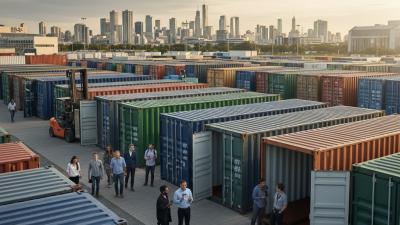
A 10x10 container needs careful definition. In storage markets, “10x10” usually means about 10 feet long and 10 feet wide. It is not the same as a standard 10-foot ISO shipping container, which is generally 8 feet wide. ISO 668:2020 sets dimensional rules for freight containers, but many 10x10 storage units are non-ISO products. Confirm external dimensions, internal clearance, and usable floor area before ordering.
Standard features often include a galvanized or weather-resistant steel shell, reinforced corner posts, double swing doors, and lockable handles. A typical clear height ranges from 8 feet 6 inches to 9 feet 6 inches, though production tolerances matter.
Floor systems may use treated timber over steel cross-members, with an intended load commonly near 2,000–3,000 kilograms. Ask for the tested floor rating, not a sales estimate. Door width, ventilation openings, roof drainage, and corrosion protection deserve equal attention. Small omissions become expensive at installation.
Global logistics demand remains substantial. UNCTAD’s Review of Maritime Transport 2024 reported maritime trade growth of 2.4% in 2023, increasing pressure for reliable storage and handling equipment. However, a 10x10 unit may not suit international vessel transport unless it carries valid ISO certification and lifting points. In practice, buyers should request drawings, material thickness, wind-load data, coating specifications, and inspection records. The difficult part is comparison: advertised dimensions are not always measured the same way. That needs checking.
A 10x10 container is not automatically a global-shipping container. Buyers should verify its exact external and internal dimensions before ordering. Some suppliers use “10x10” for storage units, while ISO freight equipment follows different size rules. UNCTAD’s Review of Maritime Transport 2024 states that ships carry over 80% of world trade by volume, so transport compatibility matters.
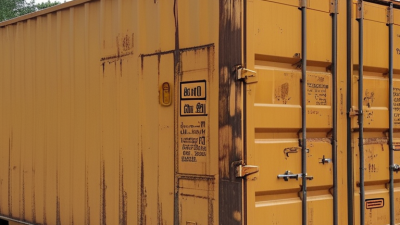
Material choice affects service life. Weathering steel resists corrosion better than ordinary painted steel, but damaged coatings still need prompt repair. Check weld quality, roof drainage, door seals, and floor condition. Marine-grade plywood is practical for heavy storage, although poor ventilation can trap moisture underneath. That detail is often missed.
A design with two locking doors improves loading access, while vents reduce condensation. However, extra openings may weaken weather protection if poorly fitted.
Security should be layered, not decorative. Look for recessed lock protection, reinforced door frames, tamper-evident seals, and an internal locking option. TAPA’s cargo-crime reporting has repeatedly recorded thousands of incidents across European supply chains, showing why access control deserves careful comparison. For international movement, request valid CSC documentation when applicable, plus inspection records and repair history. A strong lock cannot correct a weak frame. Buyers should also confirm whether tracking devices, alarms, or cameras comply with destination privacy and customs rules. The uncomfortable point is simple: the cheapest unit may become expensive after rust repairs, moisture damage, or rejected transport paperwork.
Choosing the best 10x10 container for global buyers requires more than comparing online prices. Confirm whether the unit is an ISO freight container or a storage module. ISO 668 defines international container dimensions, while the CSC Convention governs safety approval for ocean transport. Many 10x10 units are not designed for vessel loading. A supplier’s specification sheet should show steel grade, corner fittings, floor capacity, ventilation, and corrosion protection.
Shipping deserves careful calculation. UNCTAD’s Review of Maritime Transport 2024 states that ships carry over 80% of world merchandise trade. However, a 10x10 unit may need special handling if its dimensions do not match standard equipment. Ask for the packed dimensions, gross weight, loading method, port charges, and inland delivery distance. A low factory price can become expensive after inspection, storage, demurrage, and customs clearance. I would not trust a freight quote without an expiry date.
Import rules also vary sharply. Customs may classify the unit as a building, steel product, or transport container. Duties, VAT, fire standards, and local permits can all change the landed cost. The World Bank’s Logistics Performance Index 2023 highlights major differences in customs efficiency and shipment reliability between markets. Request the commercial invoice, packing list, certificate of origin, and material details before payment. Check wood packaging against ISPM 15 requirements. Some estimates still miss local taxes. That is where planning often fails.
Selecting the best 10x10 container starts with its intended application, not its appearance. Storage, workshops, equipment housing, and temporary site offices require different specifications. Measure the items carefully, including door clearance and handling space. A compact container can become inefficient when shelves, pallets, or ventilation ducts are added.
During inspections, check the roof for standing water and examine the floor for soft spots. Inspect door seals, hinges, locking bars, and corner posts. Surface rust is manageable, but deep corrosion may weaken the structure. Choose weather-resistant steel for exposed locations. Add insulation when temperatures change sharply. Ventilation matters too, especially when storing tools or moisture-sensitive materials. A perfect container rarely exists. I once overlooked delivery access, and the unit could not pass the narrow gate.
Tips: Confirm the external and internal dimensions. A 10x10 measurement can describe different usable spaces. Ask for recent inspection photos, steel thickness, floor condition, and repair records. Measure the delivery route before ordering. Check turning space, overhead cables, ground stability, and unloading equipment requirements. Consider forklift pockets or lifting points if the container will move often. For coastal areas, request stronger corrosion protection. For a workspace, plan lighting, electrical installation, emergency access, and airflow with qualified professionals. Do not choose the cheapest option automatically; future repairs may cost more.
| Selection criterion | Typical 10x10 specification | Why it matters | Best choice for | Buyer verification checklist |
|---|---|---|---|---|
| Floor footprint | Approximately 10 ft × 10 ft (3.05 m × 3.05 m); about 100 sq ft (9.29 m²) of floor area | Defines usable storage space and transport or placement requirements | Household storage, tools, seasonal goods, small workshops, and site storage | Confirm whether the quoted dimensions are external or internal; wall thickness reduces usable space |
| Overall height | Common options are approximately 8 ft to 9 ft 6 in (2.44 m to 2.90 m) | Higher units provide more vertical storage but may require planning approval or special transport clearance | Choose standard height for general storage; choose taller construction for shelving or bulky goods | Check local height restrictions, overhead cables, gates, cranes, and delivery-route clearances |
| Usable internal dimensions | Usually smaller than 10 ft × 10 ft because of wall, frame, door, and floor construction; verify the supplier drawing | Furniture, pallets, racks, and equipment must fit the actual internal length, width, and height | Any application involving fixed shelving, machinery, vehicles, or palletized cargo | Request certified internal measurements, door-frame dimensions, and floor-level diagrams |
| Door configuration | Single personnel door or wider double doors; opening height and width vary by construction | Door size controls access for cabinets, appliances, pallets, carts, and large equipment | Use a wider double-door layout for bulky goods; use a single door for routine walk-in storage | Confirm clear opening dimensions, threshold height, hinge clearance, locking points, and door swing |
| Frame and wall material | Common constructions include galvanized or painted steel frames, corrugated steel panels, aluminum panels, or insulated sandwich panels | Material affects corrosion resistance, security, weight, thermal performance, and maintenance | Steel for security and impact resistance; insulated panels for temperature-sensitive storage | Ask for material thickness, coating type, corrosion protection, weld quality, and repair method |
| Weather protection | Weather-resistant roof and wall assembly with sealed joints; actual water resistance depends on design and maintenance | Protects contents from rain, snow, wind-driven moisture, and dust | Outdoor storage in regions with seasonal rainfall, snow, or coastal exposure | Inspect roof seams, corner joints, door seals, drainage, raised placement, and water-test records |
| Floor system | Typical options include treated timber flooring on steel supports or a steel floor system; load ratings vary | Floor strength determines whether the unit can safely hold dense goods, machinery, or pallet loads | Reinforced flooring for tools, parts, archives, and equipment; standard flooring for light household goods | Obtain uniform-load and point-load ratings, support spacing, floor thickness, treatment details, and warranty terms |
| Ventilation | Passive vents are commonly used; the number and airflow area differ by design | Reduces condensation but does not provide active temperature or humidity control | General goods, garden tools, and equipment that can tolerate ambient conditions | For documents, electronics, textiles, or artwork, add humidity control and verify the required environmental range |
| Security features | Lockable door hardware, concealed hinges, protected hasp, and reinforced frame are common options | Improves resistance to unauthorized entry and tampering | Construction sites, commercial inventory, tools, and high-value stored goods | Check lock compatibility, door-frame reinforcement, alarm or sensor options, and site lighting requirements |
| Mobility and placement | Portable models may use skids, corner lifting points, forklift pockets, or crane-lifting provisions | Determines delivery method, relocation cost, and required foundation | Temporary projects, rental applications, changing work sites, and relocatable storage | Confirm tare weight, lifting points, truck access, ground bearing capacity, level tolerance, and local permits |
| Thermal performance | Uninsulated steel units follow outdoor temperature; insulated versions require specified wall, roof, and floor insulation values | Controls heat gain, cold transfer, condensation, and energy demand | Insulated construction for offices, workshops, temperature-sensitive materials, or occupied spaces | Request U-value or R-value data, vapor-control details, ventilation design, and electrical/HVAC requirements |
| Compliance and export suitability | A 10x10 storage container is not automatically an ISO freight container; certification depends on its design and intended use | International shipping, lifting, stacking, and site-use rules may require different approvals | Choose purpose-built storage construction for site storage; choose certified freight equipment for ocean transport | Verify applicable ISO, CSC, local building, fire, electrical, wind, snow, and lifting documentation before purchase |
| Recommended application match | General storage: weather-resistant steel unit; high-security storage: reinforced steel unit; occupied or sensitive-use space: insulated modular unit | The best configuration depends on cargo, climate, access frequency, security level, and local regulations | Select specifications based on the application rather than appearance or nominal size alone | Compare total delivered cost, foundation, installation, permits, maintenance, insurance, and expected service life |
Note: “10x10” normally describes an approximate 10 ft × 10 ft storage footprint. Dimensions, load ratings, door openings, materials, and certifications are not standardized across all suppliers and should be confirmed using the product drawing and technical documentation.