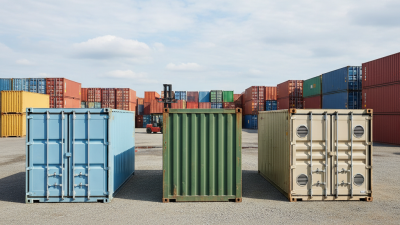
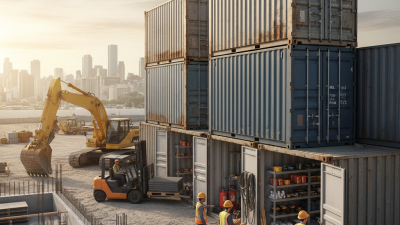
Choosing the right 10x10 shipping container sounds simple. It is not.
The label can be misleading. A “10x10 shipping container” may describe a storage unit, a modified container, or a seller’s informal size category. Standard shipping containers usually follow established width and length measurements. Therefore, buyers should verify external dimensions, internal clearance, door width, floor height, and usable volume before paying. As container equipment specialist John Fossey explains, “The right container matches the cargo, handling method, and operating environment.” That principle matters more than a convenient product name.
Think about the real setting. Will a forklift reach the site? Can a delivery truck turn safely? Will boxes fit through the doors without awkward lifting? A tape measure, site sketch, and basic loading plan can prevent expensive surprises. Check the roof for daylight, the doors for smooth movement, and the floor for soft or damaged sections. Inspect seals, hinges, ventilation, and visible corrosion as well. A clean exterior does not guarantee a sound interior.
Cargo needs attention too. Heavy equipment may require stronger flooring and careful weight distribution. Sensitive goods may need ventilation, insulation, or moisture control. Security features should be practical, not merely decorative. Lockboxes, weather-resistant locks, and controlled access can help, but no container is completely risk-free.
This guide keeps one point clear: size alone is not enough. I may prefer a compact option, then discover its doorway wastes valuable time. That possibility deserves honest consideration. A suitable 10x10 shipping container should fit the cargo, the site, the budget, and the work routine. Measure twice. Ask better questions. Then choose with confidence.
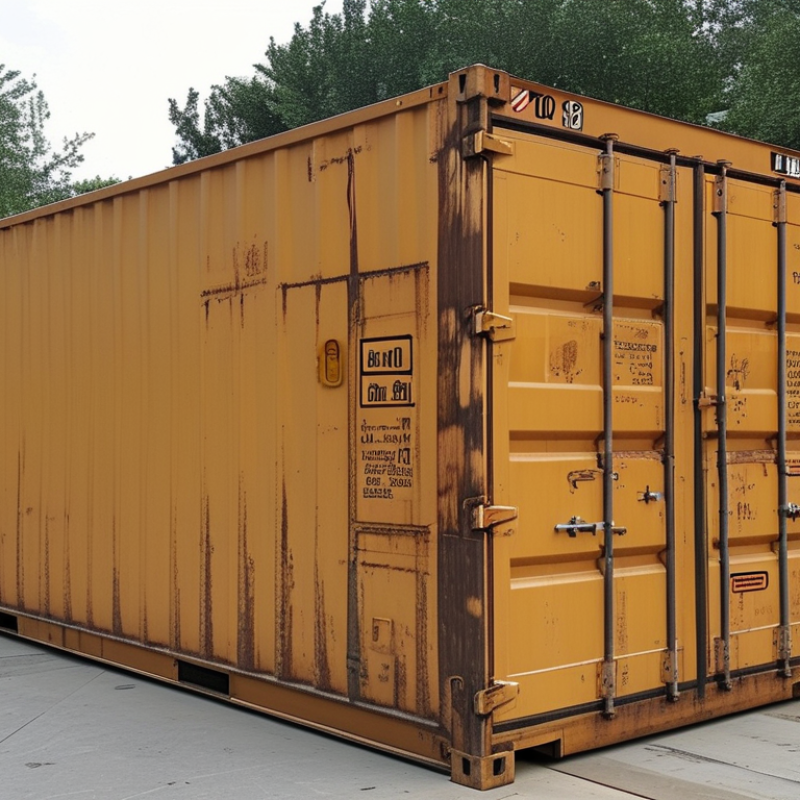
Choosing the right 10x10 shipping container starts with defining your actual space, storage, and transport requirements. A 10x10 unit provides roughly 100 square feet, but usable space can be smaller inside. That sounds generous. Measure your largest items, including handles, wheels, and protective packaging. Leave a clear walkway instead of filling every corner. A packed container may hold more, but it becomes difficult to inspect or retrieve anything.
Consider how often you need access. Double-door access can simplify loading bulky equipment, while standard doors may suit boxed goods. Check internal height, door width, floor strength, ventilation, and weather protection. Storage needs also change over time. Seasonal tools, furniture, or business stock may require shelves and labeled zones. I have seen people plan around floor area alone, then discover that a tall cabinet blocks the door. That mistake is easy to avoid, but often overlooked.
Tips: Sketch the container on paper and mark each item’s footprint. Test the heaviest load near the floor and distribute weight evenly. Confirm the delivery vehicle can reach the placement area without tight turns, weak surfaces, or overhead obstacles. Measure gates and driveways, not just the final space. Ask about placement clearance and transport limits before scheduling delivery. A few centimeters can matter. When uncertain, leave extra room and review the plan with an experienced container supplier.
Use the following specifications and planning criteria to determine whether a standard 10-foot shipping container, a high-cube version, or a purpose-built 10x10 storage unit is the better fit.
| Requirement | What to Assess | Typical Reference Data | Recommended Direction |
|---|---|---|---|
| Actual footprint | Confirm whether “10x10” means a 10-foot container length or a true 10-foot by 10-foot floor area. | A conventional 10-foot shipping container is typically about 10 ft long and 8 ft wide externally. It does not provide a true 10 ft by 10 ft internal footprint. |
Important Choose a purpose-built 10x10 storage unit if the full 10 ft by 10 ft footprint is essential. |
| External dimensions | Check available placement space, clearance, access roads, and local setback requirements. | Typical standard dimensions are approximately 10 ft long × 8 ft wide × 8 ft 6 in high. Dimensions can vary slightly by manufacturer and construction type. | Allow extra clearance for delivery equipment, doors, ventilation, and maintenance access. |
| Internal dimensions | Measure the usable floor area rather than relying only on external dimensions. | A typical 10-foot container has an internal space of approximately 9 ft 2 in long × 7 ft 8 in wide × 7 ft 10 in high. | Use internal measurements when planning shelving, pallets, equipment, or vehicle loading. |
| High-cube height | Determine whether additional vertical storage or taller equipment is required. | A 10-foot high-cube container is generally about 9 ft 6 in high externally and provides approximately 1 ft more internal height than a standard-height unit. | Select high-cube height for tall shelving, bulky equipment, or improved headroom, subject to transport clearance. |
| Door opening | Compare the clear door opening with the width and height of the largest item being moved inside. | Typical cargo-door clear openings are approximately 7 ft 8 in wide and 7 ft 5 in high, but exact dimensions vary. | Add clearance for packaging, lifting equipment, and maneuvering space; verify the actual door opening before purchase. |
| Storage volume | Estimate the volume of goods and allow room for access, ventilation, and future additions. | A standard 10-foot container commonly provides roughly 560 cubic feet of internal volume. Usable capacity is lower when aisles, shelving, or insulation are installed. | Choose a larger unit or a high-cube model if storage will be tightly packed or frequently accessed. |
| Payload and floor loading | Calculate the combined weight of cargo, pallets, shelving, and installed equipment. | A 10-foot container may have a maximum payload in the broad range of approximately 18,000–22,000 lb, while local transport limits may be lower. | Confirm the container’s plate rating, floor condition, axle limits, and delivery regulations before loading heavy goods. |
| Cargo type | Identify whether the contents are dry goods, machinery, tools, documents, chemicals, or temperature-sensitive materials. | Standard steel containers are suitable for general dry storage but are not automatically climate-controlled, insulated, or approved for hazardous materials. | Use ventilation, insulation, electrical systems, or specialized storage equipment where the cargo requires it. |
| Condition and service life | Inspect corrosion, dents, roof condition, door seals, locking bars, floor integrity, and evidence of water entry. | Newer units generally offer better weather resistance. Used units can be cost-effective but may require repairs, repainting, or seal replacement. | Request a wind-and-watertight inspection and examine the roof, corners, underside, and interior before acceptance. |
| Transport method | Determine how the container will be delivered, unloaded, positioned, and possibly relocated later. | Delivery commonly requires a suitable truck, a stable access route, and sufficient overhead and side clearance. The container is usually unloaded using tilt-bed, slide-off, or specialized lifting equipment. | Confirm site access, turning space, ground conditions, delivery dimensions, and unloading requirements in advance. |
| Ground preparation | Provide a level, well-drained, load-bearing surface that supports the container’s corner castings. | Common foundations include reinforced concrete, compacted gravel, concrete blocks, or engineered supports designed for the site conditions. | Keep the container level and elevated enough to reduce standing-water exposure and improve door operation. |
| Security | Evaluate the value of the contents, site visibility, lighting, and required access control. | Standard cargo doors can be secured with a compatible lockable hasp or external lockbox. Basic locks alone may not provide high-security protection. | Add a protected lockbox, site lighting, fencing, alarms, or surveillance for valuable inventory. |
| Ventilation and moisture | Consider condensation, temperature swings, humidity, and the sensitivity of stored materials. | A closed steel container can develop condensation when warm, moist air contacts cooler interior surfaces, especially when ventilation is limited. | Use passive vents, moisture control, pallets, and airflow gaps; select insulation or climate control for sensitive goods. |
| Loading frequency | Decide how often items will be accessed and whether a single end door is sufficient. | Most standard units use one pair of cargo doors at one end. Side-opening configurations may be available but can affect cost, structure, and weather sealing. | Choose end-door access for occasional storage and consider additional access points for frequent picking or long items. |
| Regulatory requirements | Check zoning, building permits, fire separation, electrical rules, and restrictions on placement or use. | Requirements vary by location and may depend on whether the container is temporary storage, a permanent structure, a workshop, or a modified building. | Obtain local approval before delivery, particularly for permanent installation, public-facing use, or utility connections. |
| Transport versus stationary use | Determine whether the unit will remain on one site or be moved repeatedly with cargo inside. | Shipping containers are designed for intermodal handling, but repeated local relocation can increase wear on doors, floors, corner castings, and lifting points. | Select an ISO-compatible container for transport use and a purpose-built storage unit when mobility is not required. |
Planning note: Dimensions, payload ratings, door openings, and allowable transport weights vary by container design, age, modification, and local regulations. Always verify the supplier’s dimensional drawing, inspection report, and delivery requirements before ordering.