What Is the Best Type of Office Container in 2026?
In 2026, choosing the best office container means matching the unit to the work, site, and people using it. A small site office needs different features from a welcoming client suite or a quiet room for hybrid staff. Begin with measurable needs: floor area, insulation, ventilation, daylight, power, and internet access. Details matter. A door opening into a narrow aisle can make a clean layout frustrating by midday. Check delivery access, ground preparation, and placement constraints before comparing finishes. These practical checks are easy to overlook. Yet they often shape comfort more than a glossy exterior or an impressive floor plan.
This guide compares modified shipping containers, purpose-built modular offices, and portable cabins using practical criteria. It looks at purchase and setup costs, seasonal comfort, maintenance, security, relocation, and room to expand. A steel container can provide a compact, durable workspace, but its thermal performance depends on suitable insulation, ventilation, and installation. A purpose-built unit may arrive better suited to regular office use, though it can cost more or offer fewer relocation advantages. No option wins in every setting. That is the inconvenient part. Site conditions and staff habits are often estimated, not known, before delivery. Use the comparisons to ask suppliers for clear specifications, confirm what is included, and assess the space against a normal working day. The best choice is not always the one with the lowest quote. It is the one whose limits you understand before people move in.
What Defines an Office Container in 2026?
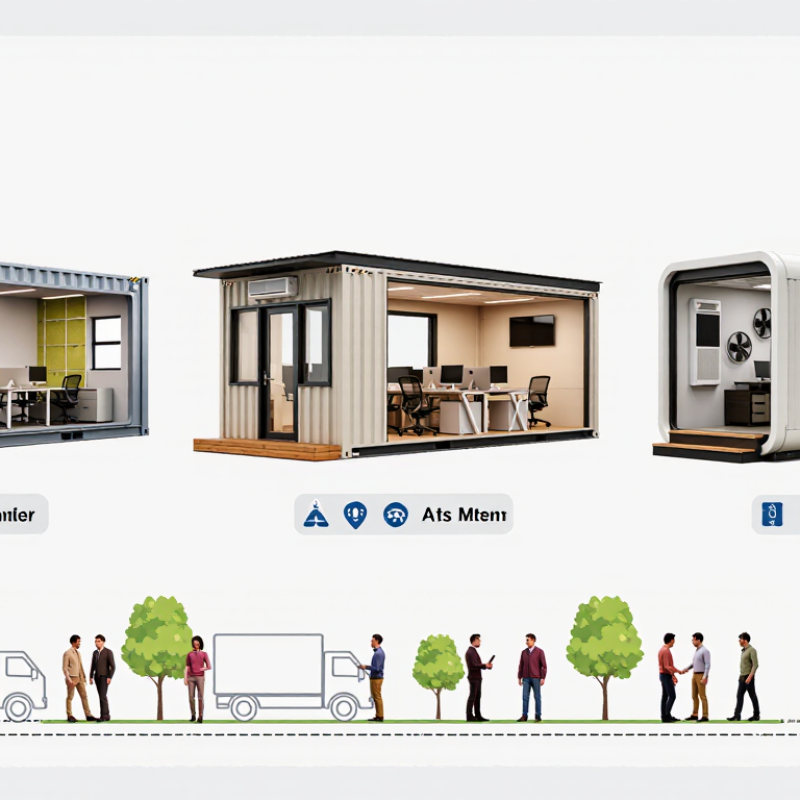
In 2026, an office container is best understood as a compact, factory-built workspace designed for a specific site and daily routine. It may use a steel frame or another transportable structure, but the frame alone does not make it an office. Reliable insulation, controlled ventilation, safe electrical fittings, useful lighting, and data access matter just as much. A team working eight hours needs different comfort from a guard station used briefly. Check internal height, door width, window placement, and floor capacity before choosing a layout. On a cold morning, condensation near a poorly sealed window is a practical warning, not just a cosmetic flaw.
Tips: Ask for a written specification covering insulation, ventilation, electrical capacity, fire safety, and delivery access. Measure the route, not just the proposed footprint. Check how daylight reaches desks at different times. Small details are easy to miss.
An effective office container should also allow maintenance and future changes. Removable partitions, accessible service panels, and replaceable finishes can reduce disruption when staffing needs shift. Yet added glazing may increase heat gain, while thicker insulation can reduce usable space. There is no universal best type; climate, occupancy, budget, and installation limits shape the choice. I would still leave room for doubt: a specification can look complete on paper, then feel cramped once chairs and storage arrive.
Which Factors Determine the Best Office Container?
The best office container depends on how people will use it, where it will sit, and how long it must serve. A two-person site office needs different space from a quiet workspace for six. Measure desks, chair clearance, storage, and door swings before choosing a footprint. Small plans can feel cramped fast.
Climate matters. In a hot, exposed yard, insulation, ventilation, and shaded windows affect comfort and energy use. In colder weather, check wall and floor insulation, seals, and heating capacity. A container may look solid but still develop condensation around cold metal surfaces. That detail is easy to miss.
Consider the site, too. Uneven ground, narrow access roads, and overhead wires can complicate delivery and placement. Check utility access, including power, lighting, and internet, before the unit arrives. Measure twice. Finally, confirm applicable local requirements for occupancy, fire safety, accessibility, and foundations. Needs can vary by location. Price should be weighed against setup costs and maintenance, not judged alone. I would not assume the largest unit is best; unused space can add cost, while too little room quickly limits daily work.
Which Container Type Fits Each Workplace Need?
Choosing an office container starts with the work inside it. A compact, insulated unit can suit a site supervisor who needs a desk, files, and a quiet place for calls. For rotating crews, a larger modular office with separate work and meeting zones may reduce daily crowding. Small detail: measure doorways, desks, and equipment before ordering. Floor space disappears quickly.
For remote or changing projects, prioritize lifting points, utility connections, and a layout that can move without rebuilding the interior. If staff work full shifts, check insulation, ventilation, daylight, and heating or cooling needs in person. Specifications alone can miss drafts and glare. A converted freight container may be sturdy, but its narrow footprint and heat gain can frustrate a permanent team. I would not choose by purchase price alone. Sometimes the cheaper option costs time.
Tips: Visit a similar unit before committing. Stand at the desk, open storage doors, and listen with the ventilation running. Ask how the container will be delivered and positioned; access can matter as much as the floor plan.
How to Select an Office Container for 2026 and Beyond
Choosing an office container for 2026 and beyond starts with the work it must support. A quiet desk room needs different planning from a site office with daily staff turnover. List the number of users, equipment, storage needs, and expected hours of use. Then check the footprint against delivery access, ground conditions, and future expansion plans. A container that fits on paper may still be awkward beside a narrow access road.
Look closely at insulation, ventilation, daylight, and power capacity. These details shape comfort more than a fresh coat of paint. Ask how the walls, roof, doors, and windows handle local weather, and whether the ventilation suits the expected occupancy. Measure desks and doorways before ordering. Small oversight, big frustration. Leave room for accessible circulation and safe cable routing, too. Requirements vary by location, so confirm applicable building, fire, and accessibility standards with qualified local professionals.
Plan for change, not just opening day. A modular layout can make it easier to add a meeting room or relocate the office later, but extra flexibility may raise transport and setup costs. Compare the full lifecycle cost, including delivery, installation, utilities, maintenance, and eventual removal. Request written specifications for materials, insulation performance, electrical provisions, and warranty coverage. I would not treat any single feature as decisive; even excellent insulation cannot fix poor ventilation or a layout that wastes half the floor.
What Is the Best Type of Office Container in 2026?
Compare common 20-foot and 40-foot container footprints to help choose an office size that fits your space and project needs.
How to choose: A 20-foot container offers a smaller footprint for compact offices, while a 40-foot container provides twice the nominal floor area. These figures are calculated from typical external dimensions of 8 feet wide by 20 or 40 feet long; usable interior space is smaller after walls and office fit-out. Check site access, local requirements, insulation, ventilation, and power needs before selecting.