How to Choose the Right 40 Foot Shipping Container
Choosing among 40 foot shipping containers starts with the cargo, not the price tag. A standard 40-foot unit offers substantial floor space, but usable capacity depends on its internal dimensions, door opening, and condition. A pallet that fits on paper may catch against a worn threshold. Small details matter. Measure the tallest load, note how it will be moved, and leave room for safe loading and unloading.
Economic historian Marc Levinson, author of The Box, has documented how standardized containers transformed global trade. His work offers a useful perspective for buyers: standardization creates efficiency, but it does not make every container suitable for every shipment. That is a takeaway from his research, not a direct quotation. When comparing 40 foot shipping containers, check the unit’s dimensions, floor condition, doors, seals, and stated payload against your actual requirements. Ask for clear photos and inspection details, and confirm whether the quoted size refers to exterior or interior measurements. A low price can hide repairs or restrictions. Even careful buyers can overlook a small discrepancy, so verify the details before committing. Measure twice. This guide explains what to compare, which questions to ask, and how to choose a container that fits the load rather than merely looking right in a listing.
Define Your Cargo, Storage, and Usage Requirements
A 40-foot container can hold a surprising amount, but usable space depends on what you plan to load. Measure your largest items, including pallets, handles, and protective packaging. Then check the container’s internal dimensions and door opening against those measurements. The opening is narrower than the container body, a detail that can make a bulky item difficult to load. Check payload limits too: cargo weight, pallets, and equipment all count.
Volume alone is not enough.
Leave room to secure items and reach what you may need later. A rough sketch can reveal awkward gaps before delivery.
Think about how the container will be used day to day. Long-term storage may call for ventilation and moisture control, especially when storing textiles, paper, or tools. A workspace may need better lighting, insulation, or wider access, which can affect cost and usable floor area. Small details matter. Check the site’s ground firmness, drainage, and delivery clearance, including overhead obstacles and turning space. I would remeasure the route, not just the final parking spot; it is an easy detail to overlook. If you plan structural changes, get a qualified assessment before work begins. A clear list of cargo, access needs, and intended use makes comparing container options more reliable.
Compare 40-Foot Container Types, Sizes, and Features
A standard 40-foot container is about 40 feet long, 8 feet wide, and 8 feet 6 inches high outside. Its interior is smaller, typically around 39 feet 5 inches long and 7 feet 8 inches wide. A high-cube version adds roughly one foot of exterior height. That extra space helps with tall cartons or bulky equipment. It can matter more than expected.
The right type depends on the load. Standard containers suit dry, boxed goods and general storage. High-cube units offer more vertical room, but check that the cargo can pass through the doors. Refrigerated containers control temperature and need a suitable power supply; their machinery also reduces usable interior space. Open-top containers allow loading from above, which can help with tall or awkward items. They may need a fitted cover for protection.
Compare usable dimensions, not just the label. Measure the longest item, its height, and the doorway clearance, then allow room for safe loading. Check the container’s weight limits and condition before arranging transport. A 40-foot unit may hold a large volume, yet heavy cargo can reach its weight limit first. Small details get missed. Door hardware, floor condition, and interior width can change whether a planned load fits. Dimensions also vary slightly, so confirm the specifications of the actual unit.
Assess Container Condition and Structural Integrity
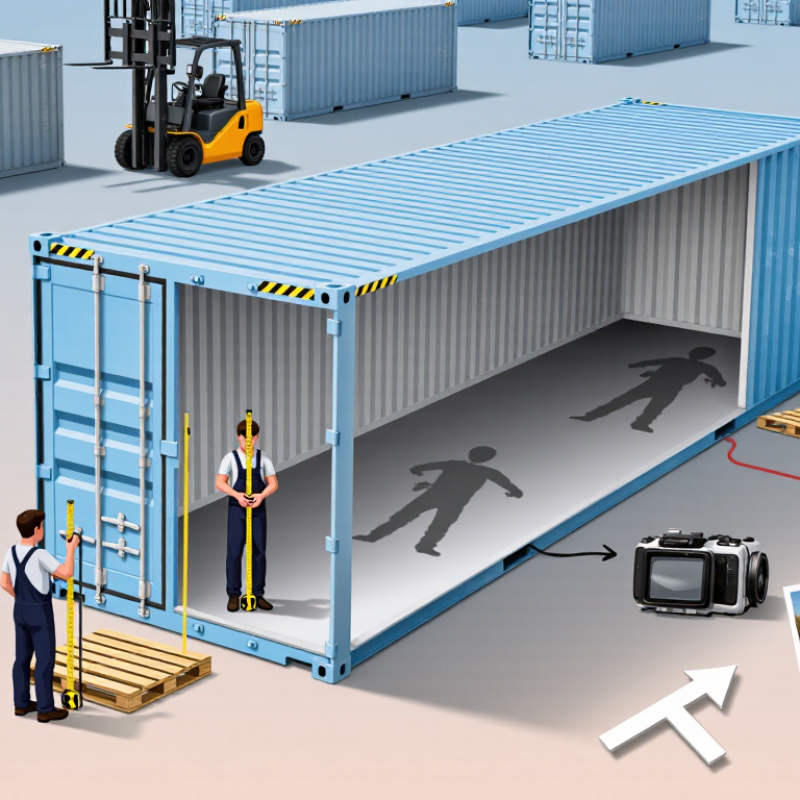
A 40-foot shipping container can look solid from a distance and still have problems at its corners or beneath the floor. Walk around it slowly. Check the corner posts, lower side rails, and crossmembers for bends, cracks, or deep rust. Surface rust is common, but flaking metal or holes deserve closer attention. Look along the roof for dents that could hold water. Small pools leave stains, then corrosion.
Open and close both doors. They should swing without force and meet evenly against the seals. Look for gaps, torn rubber, and bent locking bars. Inside, check the floor for soft spots, dark stains, and loose boards. A flashlight helps reveal pinholes in the roof and daylight around seams. Smell matters, too. A musty odor may point to hidden moisture, though it does not prove a leak.
Take photos of damage and note its location before comparing containers. Ask how repairs were made; fresh paint can conceal older corrosion. Even a careful visual check has blind spots. Rain may reveal leaks that a dry-day inspection misses, and floor damage can be hard to judge without professional assessment. If the container will carry heavy equipment, have a qualified inspector assess its frame and floor capacity rather than relying on appearance alone.
How to Choose the Right 40 Foot Shipping Container: Assess Container Condition and Structural Integrity
Typical dimensions for a standard 40-foot dry container are shown below. Measurements can vary slightly by manufacturer and model.
When inspecting a container, check corner posts, top and bottom rails, wall panels, door hinges and locking bars for bending, cracks, severe corrosion or repairs. Also inspect the floor for soft spots and water damage, and confirm the doors open, close and seal properly. Dimensions are approximate; verify the specifications of the individual container before purchase.
Check Delivery Access, Placement, and Site Requirements
Before choosing a 40-foot shipping container, check the route from the road to its final position. The World Shipping Council lists a standard 40-foot container at roughly 40 feet long and 8 feet wide; high-cube models are taller. That is the box, not the delivery vehicle or its turning space. AASHTO’s Green Book uses a 73.5-foot WB-67 tractor-trailer as a highway design vehicle, a useful reminder that tight gates and sharp turns deserve attention. The actual truck and unloading method vary, so confirm both with the delivery company.
Measure gate openings, overhead branches, wires, and the full turning path. Walk the route with a tape measure, then check it again from the driver’s approach. Small details matter. A container may fit the pad but still block a doorway, drain, or vehicle lane.
Ask how much clear space unloading requires; a truck may need room to reverse, tilt, or maneuver equipment. Keep the ground firm and level, and consider where rainwater will go. One easy-to-miss issue: the container doors need space to swing open.
Site sketches help, but they can miss a low branch or a soft patch after rain. A cautious site visit is often worth more than a perfect-looking plan.
Verify Pricing, Documentation, and Supplier Reliability
A 40-foot shipping container can look straightforward in a listing, yet the final cost depends on its condition, location, and delivery arrangements. Ask for an itemized quote covering the unit, transport, unloading, taxes, and any inspection fees. Confirm whether “cargo-worthy” means the container has current inspection documentation, not merely doors that close. Check the serial number against the paperwork. Small mismatches matter.
Documentation deserves a close review. Request clear photos of all sides, the roof, floor, door seals, and any visible repairs. Ask for the manufacturing date, condition grade, and a written record of damage or modifications. UNCTAD’s Review of Maritime Transport reports that more than 80% of world trade by volume moves by sea, underscoring the importance of dependable container handling. Still, a general industry figure cannot verify one unit’s condition. Inspect it in person when practical, or arrange an independent inspection.
Supplier reliability is more than a polished website. Verify a physical business address, response times, delivery commitments, and a payment schedule tied to documented milestones. The World Bank’s 2023 Logistics Performance Index evaluates logistics through six areas, including tracking, timeliness, and service competence. Use similar questions when assessing a seller: Can they provide delivery updates? Who handles unloading? What happens if the container arrives damaged? Get answers in writing. I learned this the hard way: a low quote can hide a vague delivery window. That is not proof of poor service, but it is a reason to pause.