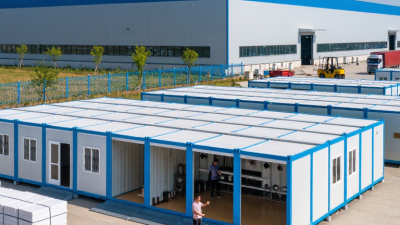
How to Buy a 10x10 Shipping Container in 2026?

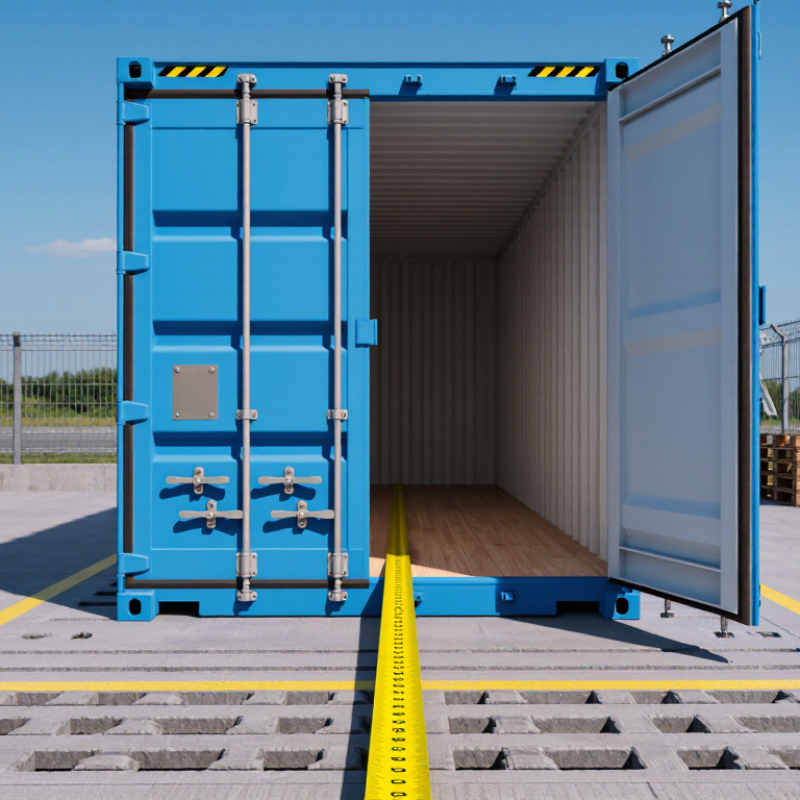
A 10x10 shipping container can fit a tight yard, workshop corner, or small storage site—but the label alone does not tell you what will arrive. “10x10” may describe nominal dimensions, while usable floor space, door clearance, and actual exterior measurements vary by seller and model. Measure your access route, ground area, and largest item before comparing prices. A tape measure beats a guess.

The 2024 Review of Maritime Transport from UN Trade and Development (UNCTAD) reports that shipping carries over 80% of world trade by volume. That figure explains why container supply and freight conditions matter, but it does not predict the delivered price of a small unit in your area. Ask for a written quote that separates the container, delivery, unloading, and any site-preparation costs. Check the door seals, floor condition, roof, corners, and locking points in current photographs—or inspect the unit in person. Small details matter.

One caution: I could not verify a named industry expert’s direct quotation specifically about buying a 10x10 shipping container, so I won’t invent one. For dependable buying guidance, this article will rely on measurable specifications, seller documentation, and recognized industry reporting instead. Compare new and used units carefully; the cheapest listing may not be the cheapest delivery. A little skepticism helps.
How to Buy a 10x10 Shipping Container in 2026?

Define Your Storage Needs and Confirm a 10×10 Container Fits

Before ordering, list what must fit: boxed household goods, shelving, tools, or seasonal equipment. Measure your largest item, then add space for turning and access. A 10×10-foot footprint provides 100 square feet, but floor area alone can mislead. Usable capacity also depends on interior height, wall shape, and the door opening. Check those measurements against furniture, not just cartons. Leave a narrow aisle if you will retrieve items later. Small details matter. ISO 668:2020 defines standard Series 1 freight-container dimensions; a 10×10 unit is not a common standard shipping-container size. Ask for the specific unit’s interior dimensions and a photo of its doorway.

The Self Storage Association’s 2023 Self Storage Demand Study estimated that 11.1% of U.S. households rented self-storage. That figure describes industry demand, not the capacity of any particular container. Sketch your floor plan on paper, including shelves and the space needed to open doors. I would not trust the “10×10” label alone. A sofa may fit on paper, then block access to everything behind it. If the unit will sit outdoors, also check the ground clearance, drainage, and delivery access before purchase.

Compare Container Types, Materials, and Condition Grades

A 10x10 shipping container is not a common standard size, so confirm whether the quoted measurements are external or internal. Ask for a dimensioned drawing, especially if it must fit through a gate or sit on a narrow pad. Standard dry units are usually steel, with corrugated walls and a timber floor. They suit general storage, but check for dents, rust-through, and doors that do not seal evenly.

Insulated models help moderate temperature swings, though insulation reduces usable interior space. Refrigerated units add powered cooling equipment and require suitable electrical service. For a compact 10x10 footprint, either option may be a custom conversion rather than a standard container. Ask what was changed and how the seams were sealed. Small details matter.

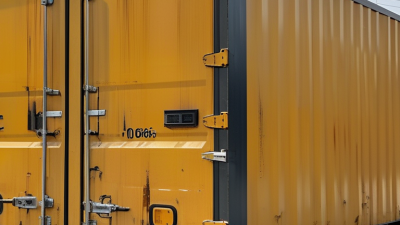
Condition labels need careful reading. “Wind and watertight” generally indicates protection from ordinary weather, not a pristine interior. “Cargo-worthy” often refers to transport suitability, but grading practices can vary by seller. “As-is” may mean repairs are needed. I would request recent photos of the roof, floor corners, door gaskets, and underside, then inspect in person if possible. A fresh coat of paint can hide problems. Not always, but sometimes. Get the grade, included modifications, delivery dimensions, and repair terms in writing before paying.

How to Buy a 10×10 Shipping Container in 2026? Compare Container Types, Materials, and Condition Grades

Compare the approximate external dimensions of common dry-container sizes. Dimensions can vary by manufacturer.

A standard shipping container is typically about 8 feet wide, so a 10×10-foot unit is not a standard ISO container size. If you need a 10×10 footprint, confirm the actual external and internal dimensions with the seller. Most conventional containers use corrugated weathering-steel panels; condition grades are not universally standardized, so inspect the floor, roof, doors, seals, and signs of corrosion before buying.

Research 2026 Prices, Suppliers, and Delivery Costs

How to Buy a 10x10 Shipping Container in 2026?

A 10-by-10-foot container is not a standard shipping size, so confirm the dimensions before comparing prices. Some listings describe exterior measurements, while usable interior space is smaller. Ask suppliers for both, plus door width, height, and floor condition.

In 2026, costs vary by region, steel condition, and whether the unit is custom-built. Request itemized quotes rather than relying on a single online estimate. Include taxes, modifications, and any site preparation. A low container price can hide expensive delivery.

Delivery and Site Access

Delivery may be a major part of the bill. Ask whether the quote includes transport, unloading, and placement, and provide the delivery address and access details. A narrow driveway, overhead branches, soft ground, or limited turning space can require different equipment. That matters.

Get written confirmation of the vehicle’s clearance needs and the surface required for unloading. Compare at least three suppliers, and check recent customer feedback, inspection photos, warranty terms, and the exact condition grade. Photos help, but they cannot show every dent or leak.

Tips

Ask for a dated quote with the container price and delivery listed separately. Confirm the final placement area is level and reachable. I would not assume a “10x10” listing means ten feet of usable interior space; I learned to verify dimensions before budgeting. If the supplier cannot explain the delivery method clearly, pause and ask for details.

Check Site Access, Placement Rules, and Local Permits

Before buying a 10x10 shipping container, treat it as a custom-sized unit. ISO 668 defines dimensions for common Series 1 freight containers, so ask the seller for the exact external measurements, empty weight, and lifting-point locations. A few inches can matter when the container must pass between a fence and a garage. Measure the narrowest approach, gate opening, overhead clearance, and turning area; include room for the delivery vehicle to position safely.

The Federal Highway Administration lists 102 inches (8 feet 6 inches) as the federal width limit for most vehicles on the National Network. That is a useful route-screening reference, not a guarantee that a delivery truck can reach your property. Check the actual truck dimensions with the carrier. Before ordering, ask your local planning or building office about zoning, setbacks, temporary-use rules, and permits. Requirements may depend on the site and how long the container stays there. I would not assume “portable” means permit-free.

Tips: Photograph the route and placement area, then mark the container’s footprint with stakes or chalk. Check for soft ground, drainage paths, low branches, and utility lines. Get permit guidance in writing when possible. Small oversights can cause delays.

Review the Quote, Warranty, and Purchase Terms Before Ordering

Before ordering a 10x10 shipping container, check whether the quote covers a new build or a modified unit. A 10-by-10 footprint is not a standard ISO shipping-container size, so ask for exact outside and inside measurements. Confirm steel thickness, door style, floor rating, ventilation, paint, delivery, and unloading costs in writing. Small details matter. The World Steel Association’s World Steel in Figures 2025 reports 1.88 billion tonnes of crude steel production in 2024. That figure does not predict your container’s price, but it shows why steel-related costs deserve a clear breakdown rather than a vague “market adjustment” fee.

Read the warranty before paying a deposit. Check its length, what parts it covers, and whether rust, roof leaks, seals, or flooring are excluded. Ask who handles a claim and what evidence they require; photographs taken at delivery can help document existing damage. Compare the promised delivery date with the payment schedule, cancellation terms, and refund conditions. One awkward point: a low quote may still be the right choice, but only if its exclusions are visible. If the seller will not identify the steel grade, warranty limits, or delivery responsibilities, pause and request revised terms before signing.