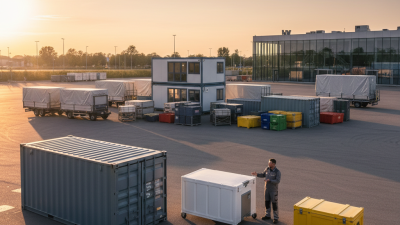
What is a Mobile Container and How Does it Work?
In the rapidly evolving world of logistics, the concept of a mobile container is gaining significant attention. Industry expert Dr. Emily Carson, a leading authority on transportation technology, states, “Mobile containers revolutionize how goods are transported and stored.” This reflects the practical implications of mobile containers in enhancing supply chain efficiency.
A mobile container is more than just a storage unit; it embodies flexibility and adaptability. These innovative structures can be moved easily from one location to another, catering to various logistical needs. Whether transporting perishable goods or essential supplies, mobile containers offer a secure environment. The integration of advanced technology allows real-time tracking and monitoring, ensuring transparency throughout the shipping process.
Despite their advantages, there are areas needing improvement. Some mobile containers may lack sufficient insulation or robust security features. Additionally, the initial investment can deter smaller businesses. A reevaluation of design standards and cost factors is essential to fully harness the potential of mobile containers in the logistics industry. As we explore this topic further, we will uncover the intricate workings and impacts of mobile containers on modern supply chains.
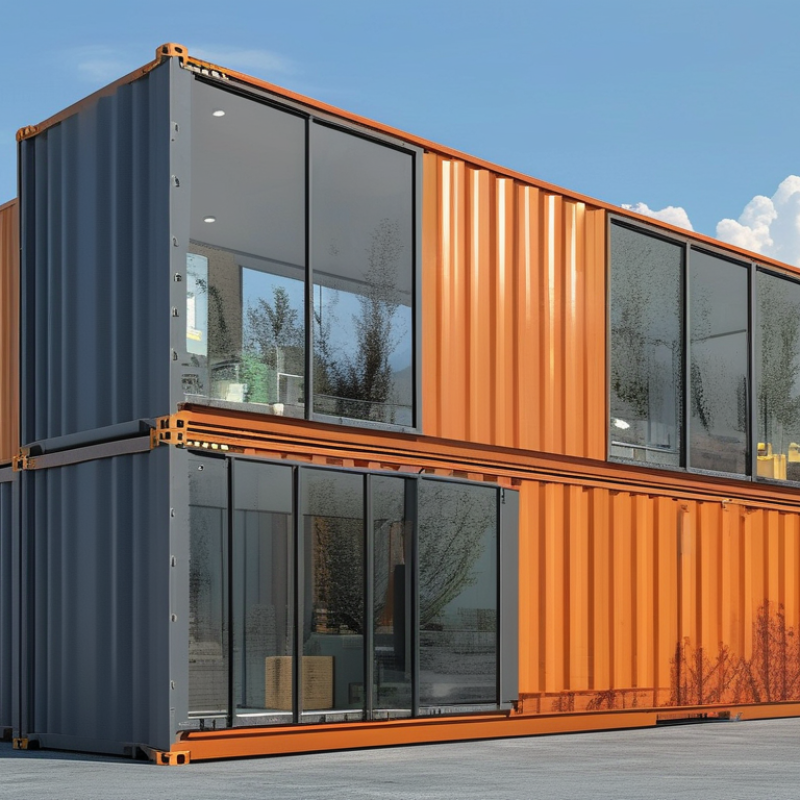
What is a Mobile Container?
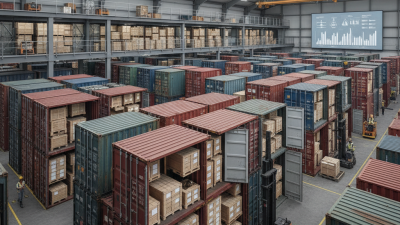
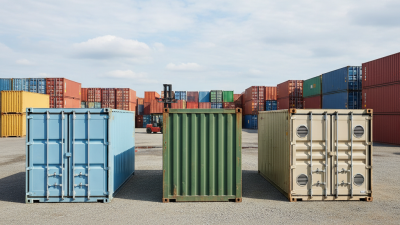
Mobile containers are innovative storage solutions designed for efficiency and flexibility. They are used in various industries, including logistics and construction. With a compact size, they can be easily transported and relocated. This mobility makes them ideal for projects that require temporary storage.
Unlike traditional containers, mobile containers often feature advanced technologies. They can have built-in climate control systems for sensitive materials. Some designs include modular sections that allow users to customize their space. This adaptability can streamline operations in dynamic environments.
However, not all mobile containers are created equal. Quality can vary significantly between manufacturers. Users often need to consider their specific needs and the conditions in which the containers will be used. Researching options is a crucial step. Investing time in exploring different designs can lead to better outcomes. Overall, mobile containers offer a practical solution that meets the demands of modern workflows.
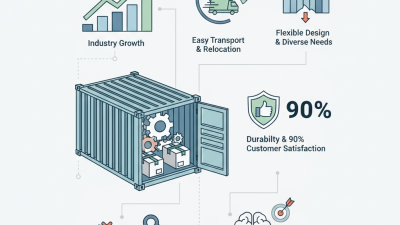
Mobile Container Usage Over the Years
Key Features of Mobile Containers
Mobile containers revolutionize the way we handle applications and data. They offer a lightweight and flexible alternative to traditional virtualization. Their portability allows users to deploy applications across different environments seamlessly. This flexibility is crucial for businesses that require rapid scaling and adaptation to changing demands.
Key features of mobile containers include their ability to isolate applications from the host system. This ensures that each application runs in its own environment, minimizing conflicts. It’s notable that over 70% of organizations report improved efficiency when they leverage container technology. The automated orchestration of resources makes it easier to manage and deploy applications. Furthermore, data integration with cloud services is simplified, enhancing overall workflow.
Security is another critical aspect. Mobile containers can encapsulate sensitive data, making it less susceptible to breaches. In fact, a recent industry report stated that businesses using container technology experience a 25% reduction in security incidents. While the benefits are significant, challenges remain. Managing container orchestration and ensuring compatibility across different platforms can prove complex. Organizations must continually refine their strategies to address these evolving challenges.
How Mobile Containers Operate
Mobile containers are innovative solutions for deploying applications. They package software, libraries, and dependencies together. This ensures that applications run smoothly across various environments. The main advantage is their portability, making them ideal for cloud computing. Mobile containers use a host operating system to manage resources effectively.
How do these containers operate? They run in isolated environments, ensuring that applications do not interfere with each other. Each container shares the same kernel but operates independently. This design leads to better resource utilization and faster deployment. It can be beneficial for developers when testing applications. However, it can be tricky to manage dependencies correctly.
Remember to monitor resource allocation closely. Over-allocating can lead to performance issues. Likewise, choose the right orchestration tool for your scale. Reflection is key. Regularly evaluate your container configurations. Adapting to changes can enhance efficiency in the long run. Consider setting up a logging system to track container performance. Adjust as needed to maintain optimal operation. It's essential to stay updated with emerging trends in container technology.
Advantages of Using Mobile Containers
Mobile containers are transforming how businesses manage resources in a flexible way. Their portability offers significant advantages. Companies can deploy these containers on-site or in remote locations. This flexibility is a game-changer for logistics and manufacturing.
One key advantage of mobile containers is their efficiency. They streamline storage and transportation. This reduces the time spent on logistics. Mobile containers can be easily loaded and unloaded. This can speed up operations and decrease downtime. Additionally, their design allows for better space utilization. Companies can maximize storage without complex infrastructure.
However, some businesses face challenges with mobile containers. Understanding best practices for usage is crucial. Not all locations are suitable for mobile container deployment. It's vital to assess site conditions beforehand. Companies should also train staff on effective container management. This ensures that they fully leverage the benefits of mobile containers.
Applications of Mobile Containers in Various Industries
Mobile containers are transforming various industries by offering flexibility and scalability. These containers encapsulate applications and all dependencies, allowing for consistent deployment across environments. Industries such as healthcare are leveraging this technology for efficient data management. According to a report by Gartner, 70% of healthcare organizations are expected to adopt mobile containers by 2025. This adoption facilitates real-time data accessibility and enhanced patient care.
In the manufacturing sector, mobile containers optimize supply chain management. A study from McKinsey reveals that companies adopting mobile container solutions can reduce deployment time by up to 50%. This improvement not only boosts efficiency but also allows manufacturers to respond quickly to market demands. As a result, organizations can better manage resources and minimize downtime.
The financial services industry also benefits from mobile containers. They enable secure transactions and data integrity, addressing regulatory compliance challenges. Statistics show that about 60% of financial institutions are exploring containerization to enhance operational efficiency. However, the integration of mobile containers requires careful planning. Challenges like security vulnerabilities and management complexities need to be considered. Organizations must ensure they have the right expertise to mitigate these risks effectively.
What is a Mobile Container and How Does it Work? - Applications of Mobile Containers in Various Industries
| Industry |
Application |
Benefits |
| Retail |
Mobile Point of Sale Systems |
Increased customer convenience and reduced waiting times |
| Healthcare |
Mobile Treatment Units |
Enhanced accessibility to medical services in remote areas |
| Logistics |
Mobile Warehousing Solutions |
Flexibility in storage and rapid deployment |
| Construction |
Portable Offices and Tool Storage |
Improved site organization and worker productivity |
| Education |
Mobile Classrooms |
Flexible learning environments and resources |