Why Choose a 10x10 Container for Global Shipping?

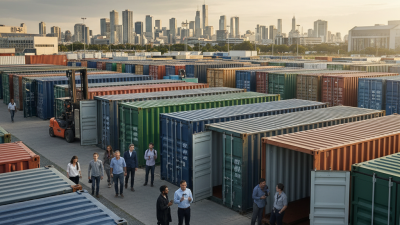
Choosing the right shipping unit can affect handling time, cargo safety, and total landed cost. A 10x10 container may appeal to exporters who need more space than a small crate, but less capacity than a standard full-size container. Its compact footprint can support regional distribution, project cargo, retail fixtures, and carefully planned commercial shipments.

In practice, the term “10x10 container” does not always describe one universal ISO size. Suppliers may use it for different internal dimensions, modular units, or custom-built equipment. Confirm the external measurements, usable volume, tare weight, payload limit, door opening, and floor strength before booking transport. Ask whether the unit carries valid certification for ocean or cross-border movement. A carrier’s written approval matters more than a product photograph.

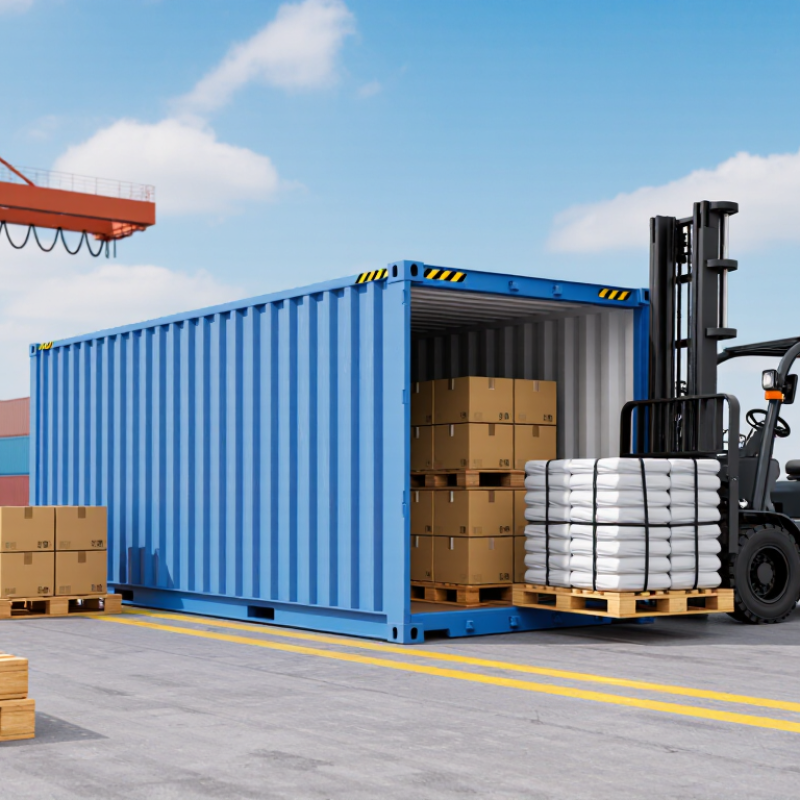
A well-packed unit might hold boxed equipment, strapped pallets, moisture barriers, and labeled cartons with limited empty space. Forklift access can speed loading, while standardized marks help warehouse teams identify each package. Smaller dimensions may simplify delivery to crowded sites and reduce partial-load waste. However, the saving is not automatic. Port fees, minimum freight charges, transloading, and special equipment can change the final price.

Experienced shippers compare the complete route, not only container size. They check insurance terms, destination handling, customs documentation, and weather exposure. Some plans look efficient on paper but fail during unloading. That is worth admitting. A careful 10x10 container decision depends on verified specifications, realistic cargo measurements, and a carrier that accepts the equipment for the intended global route.
Why Choose a 10x10 Container for Global Shipping?

Understanding the 10x10 Container Format and Its Standard Dimensions

Why Choose a 10x10 Container for Global Shipping?

The phrase “10x10 container” sounds standardized, but it often is not. In practice, it usually describes a container with a ten-foot-by-ten-foot footprint. Height may be eight feet six inches, nine feet six inches, or custom. Wall thickness, door clearance, corner fittings, and internal volume can change significantly. ISO 668 standardizes common freight-container series, but a square 10x10 format is not a universal ocean-freight class. That distinction matters.

For global shipping, verify every measurement before booking transport. Record external length, width, height, tare mass, maximum gross mass, and usable internal dimensions. A nominal 10x10 footprint can exceed normal trailer or terminal limits, especially when its width approaches ten feet. Check lifting pockets and corner fittings before selecting equipment. The unit must also carry valid safety approval for international movement, where applicable. Measure twice.

Capacity decisions should reflect trade conditions. UNCTAD’s Review of Maritime Transport 2024 states that ships carry over 80% of world merchandise trade by volume. Compatibility across ports and handling systems is therefore essential. A 10x10 unit can suit consolidated cargo, project equipment, or short-term storage before export. It may reduce unused floor area for awkward loads. However, it can trigger special handling, higher inland costs, or rejection by standard vessel systems. I would not choose it from the footprint alone. Compare cubic capacity, payload, route restrictions, and terminal acceptance. The format is useful, but its name hides too much.
Comparing Capacity, Cargo Types, and Loading Efficiency

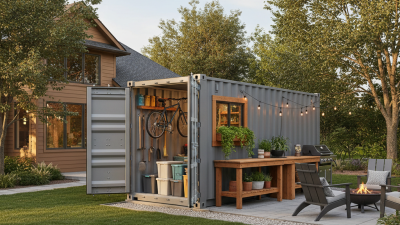
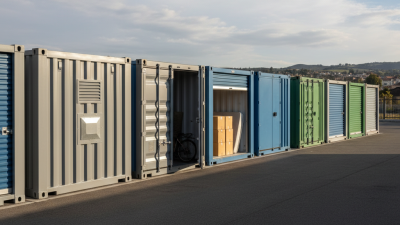
A 10x10 container can suit compact international shipments, but its usable capacity needs careful checking. “10x10” may describe external dimensions, not the internal loading space. A typical small container offers roughly 15 cubic metres of usable volume, depending on wall thickness and door design. That space can hold boxed equipment, household goods, spare parts, or dense machinery. It is less suitable for bulky, low-value cargo.

Cargo type changes the loading result. Cartons stack efficiently when their dimensions match the container’s internal width and height. Pallets improve handling speed, although standard pallet footprints can leave awkward gaps in a small unit. Heavy goods should stay low and near the centre. Leave clearance around the doors. Small details matter.

UNCTAD’s Review of Maritime Transport 2024 states that ships carry over 80% of global merchandise trade by volume. This scale makes standardized dimensions, secure packing, and predictable handling especially important. The World Bank’s Logistics Performance Index 2023 also evaluates timeliness, infrastructure, and tracking, showing why loading efficiency affects more than cubic capacity. A carefully planned 10x10 load can reduce empty space and handling time. It may not always be the cheapest option. Measuring actual cargo first is wiser than trusting the label.

Evaluating Cost Savings Across International Shipping Routes

Why Choose a 10x10 Container for Global Shipping?

A 10-by-10-foot container can reduce costs when cargo volume is modest. It prevents paying for unused space in a larger unit. UNCTAD’s Review of Maritime Transport reports that over 80% of global merchandise trade moves by sea. Yet ocean freight is only one part of the invoice. Terminal handling, inland transport, documentation, and storage can change the final cost.

On short regional routes, a smaller container may lower trucking and warehouse expenses. It can also simplify loading near a smaller supplier. However, fixed charges still apply. A 10x10 container may cost more per cubic meter than a full-size unit. The savings are not automatic. The World Bank’s 2023 Logistics Performance Index shows major differences in customs efficiency, infrastructure, and delivery reliability. These differences can make one route attractive and another disappointing. I would not promise savings without comparing route-level quotations.

Tips: Measure cartons, pallets, and loading gaps before booking. Leave room for padding and inspection access. Compare total landed cost, not only the ocean rate. Ask for separate prices for port fees, inland delivery, storage, and insurance. The math may look favorable, then fail after destination charges. That is worth checking twice.

Reviewing Handling, Storage, and Port Compatibility

Why Choose a 10x10 Container for Global Shipping?

A 10x10 container offers practical space for compact cargo, equipment, and short-term storage. Its square footprint can simplify loading when items need careful separation. In warehouse work, I have found that clear floor markings reduce rushed handling. Forklifts still need enough turning space. That detail is easy to miss.

Handling depends on the container’s frame, doors, lifting points, and loaded weight. A sound unit should support safe forklift access and balanced placement. Uneven weight can strain the floor and make movement unstable. Internal shelving may improve storage, but it can also reduce usable clearance. Measure every item, including pallets and protective packaging. Small errors become expensive at a port.

Port compatibility requires closer inspection. Many terminals accept only units with recognized dimensions, corner fittings, lifting points, and current safety documentation. A 10x10 design may work well inland but may not match standard vessel slots. That assumption is not always right. Confirm terminal rules, carrier requirements, gross weight limits, and handling equipment before booking. Cargo descriptions and shipping documents must also remain accurate. Weather seals deserve attention, especially after repeated door use. I would inspect the roof, floor, locking bars, and underside personally before loading. Photographs help, although they cannot replace a physical check.

Assessing Security, Sustainability, and Shipment Planning Benefits

Why Choose a 10x10 Container for Global Shipping?

Assessing Security, Sustainability, and Shipment Planning Benefits

A 10x10 container can simplify shipments that do not fill a standard large unit. Its compact footprint reduces unused space around cartons, pallets, and crated equipment. In practice, tighter packing often means fewer shifting loads during handling. That matters when cargo travels through several transfer points.

Security starts with disciplined preparation. Use a high-quality seal, a protected lock, and a clear inventory sheet. Photograph the container before closing it. Record seal numbers and pallet positions. These small steps create a reliable chain of evidence. However, a container is not automatically secure. Weak packaging, poor weight distribution, or careless access can still cause loss or damage.

Sustainability depends on the full shipment plan. A correctly sized container may reduce excess packaging and avoid transporting unnecessary air. Reusable pallets and recyclable cushioning can improve the result. Yet smaller units may require more handling or additional vehicle movements. That can offset some environmental gains. Measure the complete route, not just the container size.

Planning should begin with internal dimensions, door clearance, pallet height, and maximum payload. Leave room for bracing and safe unloading. Confirm compatibility with the selected transport network before booking. A 10x10 format may not suit every international service. That limitation deserves honest attention. Shipment documents should match the actual contents, quantities, weights, and destination requirements. Careful checks prevent delays and costly rework.