How to Get Free Shipping Containers in 2026?

Finding free shipping containers in 2026 sounds simple, but the word “free” needs careful examination. A container may have no purchase price, yet transport, inspection, cleaning, repairs, storage, and local taxes can quickly create real costs. Availability also changes by port, season, equipment type, and regional trade activity. A wind-damaged unit near a depot is not equal to a clean, certified container beside your project site.

Christian Roeloffs, CEO of Container xChange, has repeatedly highlighted a practical industry truth: “Container availability does not always mean container affordability.” That warning matters. Free shipping containers are usually offered through reuse programs, local businesses, port operators, construction companies, or community listings. Some owners want to avoid disposal fees. Others need space cleared quickly. The reason behind the offer deserves attention.

This guide explains where legitimate opportunities appear and how to assess them safely. It covers container condition, ownership records, delivery quotes, and permitted uses. Check the doors. Inspect the roof. Ask about previous cargo. Some units may carry contamination risks or structural damage. Never assume a free listing is reliable.

A better deal may be nearby. Or not.

Readers should also compare the total cost with a used container from a reputable dealer. That option may provide clearer documentation, safer delivery, and fewer surprises. The process is not perfect, and online listings can disappear quickly. Still, careful research can turn an unwanted steel box into useful, lawful storage.
How to Get Free Shipping Containers in 2026?

Eligibility Requirements for Free Shipping Containers in 2026

Free shipping containers in 2026 are usually offered through local reuse programs, construction projects, farms, schools, or port-related surplus channels.

“Free” rarely means cost-free. Applicants may still pay for inspection, transport, lifting, storage, or basic repairs.

Eligibility often depends on a clear and lawful use. You may need to submit identification, proof of address, a project description, and photographs of the proposed placement area.

Some programs favor nonprofits, educational groups, emergency-response projects, or small businesses with limited budgets. Rural applicants may face different delivery conditions than urban applicants.

Be specific.

The container must fit your site and purpose. Check its external dimensions, door condition, floor damage, ventilation, and signs of chemical contamination.

Ask whether the container is donated, loaned, or transferred with legal ownership. Written confirmation matters. Without it, removal disputes can happen later.

Applicants should also verify local planning, zoning, fire-safety, and environmental requirements before accepting the unit. A free container can become expensive if a crane is required or the delivery road is unsuitable.

I have seen people focus on the word “free” and overlook these practical costs. That mistake is understandable, but avoidable.

Never send money to an unverified contact or share sensitive documents through an informal message. Availability changes quickly, and some containers may be reserved before applications are reviewed.
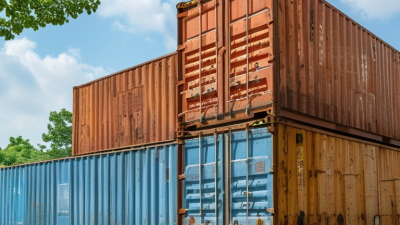
Where to Find Free or Donated Shipping Containers

Free is rarely free. In 2026, donated shipping containers are most likely to come from local freight companies, port-adjacent warehouses, manufacturers, farms, and construction sites. Ask for retired units directly, rather than searching only through public listings. Small operators may have containers occupying valuable yard space.

UNCTAD’s Review of Maritime Transport 2024 reported 12.3 billion tons of maritime trade in 2023. That volume creates a large flow of surplus equipment, but availability varies by region. Contact container depots, freight forwarders, reuse nonprofits, and municipal surplus offices. Explain your intended use, delivery location, and preferred dimensions. A clear request often works better than “free container wanted.” Some owners donate the box but require you to pay trucking, lifting, and local taxes.

Inspect before accepting it. Check the roof for daylight, the floor for chemical stains, and the doors for a complete seal. Ask for the container’s identification number, ownership records, age, and previous cargo history. The Institute of International Container Lessors’ inspection guidance emphasizes structural condition, door operation, flooring, and visible damage. Do not assume a donated unit is safe.

Transport can cost more than the container. Get two written delivery estimates. Confirm whether a crane, level foundation, or permit is required locally. I have seen “free” offers become expensive after difficult access was discovered. A written donation agreement also prevents disputes about ownership, removal, and future repairs.

How to Verify Container Condition, Ownership, and Availability

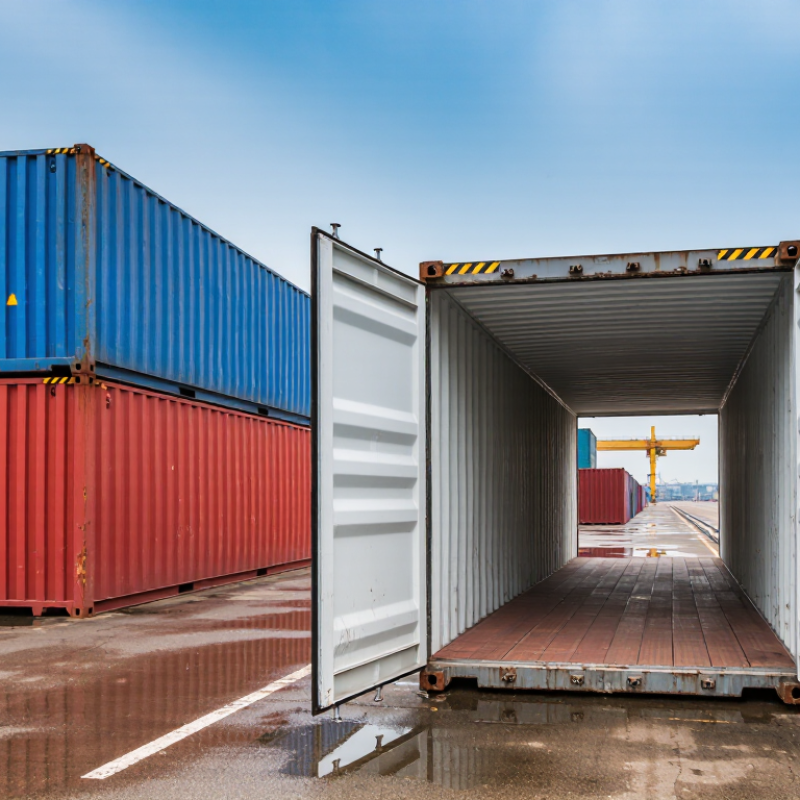
A “free” shipping container still needs careful verification. Ask for its exact location, serial number, dimensions, and current photographs. Photos should show the roof, floor, doors, corner posts, and interior walls. Request close-ups of rust, dents, holes, and water stains. A short video from the same day is more useful than old images. Check the doors yourself if possible. They should open smoothly and seal evenly.

Ownership requires more than a casual promise. Ask for documents showing the seller’s legal right to transfer the container. Match the serial number on the container with every document. Request a written sale or transfer agreement, even when the price is zero. It should identify the container, present condition, collection address, and responsible party. Also ask whether storage fees, transport charges, or unpaid depot charges remain. Free can become expensive quickly.

Availability must be confirmed in writing. A container may appear available but already be reserved, damaged, or scheduled for removal. Ask for a collection window and a named contact at the site. Confirm whether a truck can access the location safely. Do not send money for release, inspection, or “priority” access without verifiable paperwork. I once underestimated transport costs in a similar evaluation. That mistake changed the real value completely. Leave room for doubt, and recheck every detail.

Steps to Apply, Negotiate, and Arrange Free Container Pickup

Getting a free shipping container in 2026 usually starts with a clear, practical request. Contact nearby ports, freight yards, manufacturers, farms, and construction companies. Ask whether they have retired units awaiting resale, recycling, or removal. Explain your intended use, placement address, dimensions, and preferred pickup date. Include photos of your access route. A narrow gate can end the deal quickly.

Request written details before agreeing. Ask about ownership, container age, floor condition, roof leaks, door seals, and previous cargo history. Do not assume “free” means cost-free. You may still pay for transport, lifting, cleaning, permits, or repairs. Inspect the unit in daylight. Tap the floor, open both doors, and check beneath the frame. My practical mistake was trusting a short video; hidden rust appeared after delivery.

Negotiate politely, but make the exchange useful. Offer prompt removal, a signed pickup schedule, or help clearing the storage area. Confirm who will load the container. Some owners provide the box but not the crane or truck. Get the agreed condition, pickup window, and damage responsibility in writing. Arrange a qualified hauler with suitable equipment. Measure the entrance, overhead cables, turning space, and ground strength. Confirm whether a tilt-bed truck or crane is required. Check local placement rules before pickup. Keep a small contingency budget for failed access or equipment changes. Free can still become expensive.

Hidden Costs, Legal Rules, and Safe Acquisition Practices

How to Get Free Shipping Containers in 2026?

“Free” usually means no purchase price, not zero cost. UNCTAD’s Review of Maritime Transport 2024 recorded about 12.3 billion tons of seaborne trade in 2023. That volume creates surplus equipment, but availability depends on port location, condition, and ownership. A container offered at no charge may still require lifting, transport, permits, cleaning, repairs, and ground preparation. Delivery can cost more than the steel box. Inspect the floor for chemical stains, examine corner castings, and photograph the identification plate before accepting it. My cautious view: a missing plate is a serious warning, not a bargain.

Legal checks matter. The Convention for Safe Containers requires a valid CSC safety approval for international transport. Local building, zoning, fire, and stormwater rules may also apply when the unit becomes storage or a structure. Request written ownership proof, a release document, and confirmation that no customs hold exists. Never remove markings or alter the container before checking local requirements. UNCTAD also warns that port congestion and equipment imbalances can change repositioning costs quickly.

Tips: Get three haulage quotes. Measure the access route. Confirm crane clearance. Use gloves, eye protection, and ventilation during inspection. Ask about fumigation history and internal residue. A cheap unit with hidden contamination is not free. Keep every message, invoice, photograph, and permission in one file. Mistakes happen, especially with informal listings. Verification is worth the delay.