China Top 10 Conex Shipping Container Manufacturers?
Choosing a reliable conex shipping container manufacturer requires more than comparing catalog prices. Buyers must examine steel quality, welding consistency, weatherproofing, certifications, production capacity, and after-sales support. A container may look strong in photographs, yet hidden corrosion or uneven door seals can create expensive problems later.
Olaf Merk, a maritime transport specialist at the OECD, described the container as “the symbol of globalisation.” His observation explains why manufacturing standards matter. A conex shipping container may travel through ports, rail yards, construction sites, and remote storage areas. Each journey tests its corner castings, roof panels, flooring, and locking bars.
This guide reviews China’s top manufacturers through practical criteria. These include ISO compliance, CSC-related suitability, material traceability, factory experience, inspection procedures, customization capability, and delivery reliability. Factory scale matters. So does communication.
Details reveal quality.
A well-built unit should open smoothly after transport. Its doors should close evenly, without forcing the locking handles. The roof should shed rain, while the floor should resist ordinary loading pressure. Buyers should also request current inspection records and clarify whether quoted prices include painting, accessories, freight, and taxes.
The ranking is not absolute. That deserves reflection. A large manufacturer may offer competitive pricing but provide less flexibility for a small order. A smaller supplier may respond faster but lack consistent international documentation. Market claims also change quickly, and online reviews can be incomplete.
For that reason, this overview treats manufacturer selection as a verification process, not a popularity contest. The strongest choices combine engineering discipline, transparent communication, proven export experience, and dependable support after delivery.
What Are Conex Shipping Containers and How Are They Used?
What Are Conex Shipping Containers and How Are They Used?
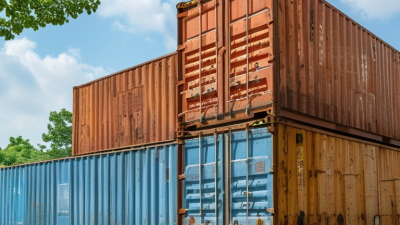
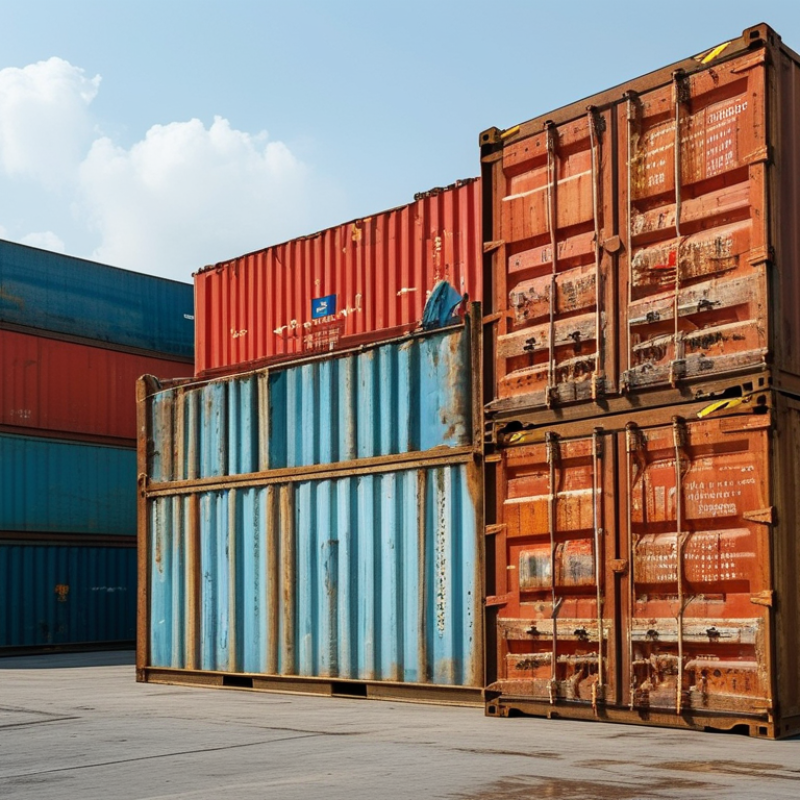
A conex shipping container is a reusable steel box built for intermodal transport. Trucks, trains, and ships can move it without unloading the cargo. The term “conex” comes from military logistics, but modern units follow international container standards. ISO 668 defines common dimensions, corner fittings, and handling requirements. A standard 20-foot container equals one TEU. UNCTAD’s Review of Maritime Transport 2024 reported global container-port throughput of about 858 million TEUs in 2023. That figure shows their continuing importance in global trade.
They carry machinery, packaged goods, furniture, and industrial materials. Many companies also use them as temporary storage rooms, site offices, workshops, or modular structures. A dry container protects cargo from rain, sunlight, and road dust. A refrigerated model controls temperature for sensitive products. However, a modified unit needs careful structural planning. Cutting sidewalls can weaken the frame. Electrical work also requires qualified inspection and local approval.
Condition matters more than paint.
Buyers should check the door seals, floor, roof, corner posts, and locking bars. Look for rust hidden beneath interior coatings. The Container Traders and Users Association recommends examining safety markings and structural condition before reuse. A container may look sound but still have a warped floor or leaking roof. This is where my earlier assumption would fail: low price does not always mean better value. Clear inspection records, accurate dimensions, and suitable lifting equipment support safer decisions.
Conex Shipping Containers: Standard Sizes and Typical Internal Volume
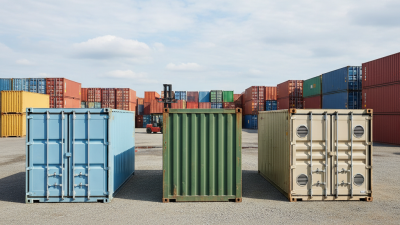
Conex containers are standardized intermodal freight containers used to transport cargo by ship, rail, and truck. The chart compares common dry-container formats by their approximate internal volume, which helps explain how container size affects cargo capacity and logistics planning.
Approximate internal-volume data based on commonly specified ISO dry freight container dimensions. Actual capacity may vary by manufacturer, corner design, door configuration, and container specification.
How to Evaluate Chinese Conex Container Manufacturers
China Top 10 Conex Shipping Container Manufacturers?
Evaluating Chinese conex container manufacturers requires more than comparing prices. UNCTAD’s Review of Maritime Transport 2024 records about 12.3 billion tonnes of seaborne trade in 2023. That volume demands reliable boxes, not attractive brochures. Check whether the factory follows ISO 668 for container dimensions and ISO 1161 for corner castings. Ask for recent production records, material certificates, welding procedures, and independent inspection reports. A serious supplier should explain steel grades, floor treatment, coating thickness, and door-seal performance clearly.
Inspect one finished unit in person or through a verified third party. Look closely at weld continuity, corner casting alignment, roof ribs, drainage holes, and the plywood floor. Measure internal dimensions instead of trusting a spreadsheet. The CSC safety plate, when applicable, must match the container’s identification and inspection history. The World Bank’s Logistics Performance Index 2023 shows that reliability depends heavily on shipment quality and supply-chain predictability. Therefore, evaluate spare-part availability, lead times, packing methods, and complaint response. Cheap containers can become expensive after one failed delivery.
Tips: Request a sample inspection before placing a large order. Compare three quotations using identical specifications. Keep payment stages linked to measurable milestones. Factory photos can be outdated. Even an audit may miss weak floor joints or poor paint preparation. Ask for salt-spray or coating test evidence, but do not treat laboratory data as a substitute for physical inspection. I would also verify production capacity during the busiest season, because factory promises often look strongest before delays appear.
China’s Top 10 Conex Shipping Container Manufacturers
China’s Top 10 Conex Shipping Container Manufacturers are often evaluated through production quality, certification, and delivery reliability. A serious buyer should inspect factory records, welding procedures, steel grades, and coating systems. These details matter more than polished catalog photos. Experienced suppliers usually provide ISO-dimensioned units, weather-resistant corten steel, secure door hardware, and documented inspection reports.
The strongest manufacturers support standard dry containers, high-cube models, refrigerated units, and modified storage cabins. Their factories may use automated welding lines, shot-blasting rooms, and controlled painting areas. Ask for factory videos, sample measurements, and recent loading photographs. Check corner casting accuracy, floor treatment, roof seams, and locking-bar movement. Small defects become expensive during long-distance transport. They really do.
Pricing from China can be competitive, but the lowest quotation deserves careful review. Confirm whether it includes testing, inland transport, export packing, and replacement parts. Buyers should also verify applicable container safety approvals and destination-country requirements. A professional manufacturer explains limitations instead of promising everything. That is a useful sign.
Not every online ranking is reliable. Some lists may reflect advertising, old production data, or unverified claims. A better comparison uses several quotations, independent inspections, and clear contract specifications. My own review approach would still leave room for doubt, especially when factory capacity changes seasonally. Production photos can also look impressive while hiding inconsistent finishing. Real performance appears after exposure to rain, salt air, repeated loading, and rough handling.
Products, Customization Options, and Production Capabilities
China’s top 10 conex shipping container manufacturers differ in product range, customization, and production strength. Standard dry containers remain common, but many factories also build refrigerated, open-top, side-opening, and modular units. Buyers should compare steel grades, floor thickness, door hardware, welding quality, and coating systems. These details affect service life in humid ports and busy construction yards.
Production capability deserves close attention. A reliable manufacturer should provide clear monthly capacity, inspection procedures, and realistic delivery schedules. Look for automated cutting, controlled welding stations, surface preparation, and final water testing. Custom options may include unusual dimensions, ventilation panels, internal partitions, lifting points, colors, and branding areas. However, every modification can change weight, price, and approval requirements. I have seen attractive drawings fail during loading tests. That risk is easy to underestimate.
Tips: Request material certificates, weld inspection records, and recent production photos. Ask for a sample inspection before full production. Confirm tolerances in writing, not only through digital renderings. Check how the factory handles repairs, spare parts, and quality claims after delivery. No manufacturer is perfect. A supplier that admits limitations may be more dependable than one promising everything. Review container specifications with an independent engineer when the unit will support people, equipment, or sensitive cargo.
How to Compare Prices, Quality, Certifications, and Delivery Terms
China Top 10 Conex Shipping Container Manufacturers?
Comparing container suppliers requires more than reading the lowest quotation.
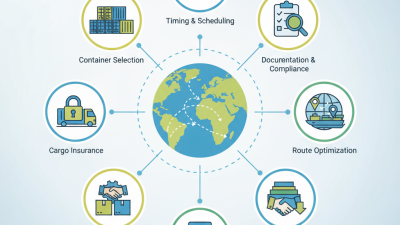
Request identical specifications, including dimensions, steel grade, floor thickness, coating system, doors, and accessories. A cheap unit may exclude inland transport, export handling, inspection, or protective packaging. Compare the complete landed cost.
Quality becomes clearer through evidence.
Ask for production photos, welding standards, dimensional tolerances, water-test records, and a sample inspection plan. Verify certifications directly with the issuing organization. For international cargo containers, check valid safety approvals and matching identification plates. Certification names alone prove little. Details matter.
Delivery terms also deserve careful review.
Confirm the production schedule, loading port, Incoterm, document responsibilities, payment stages, and remedy for delays. Independent inspection before shipment can reduce unpleasant surprises. A factory audit may reveal weak storage practices or inconsistent coating, even when the sales documents look professional. I have seen buyers compare prices carefully but overlook currency changes and port charges. That mistake is common. Build a written comparison sheet, and leave room for uncertainty, because promised lead times can change during peak production periods.