Why Choose Modular Containers for Global Projects?
Global projects rarely fail because of one dramatic event. Delays often begin with small issues: uncertain site access, damaged materials, or missing installation skills. Modular containers offer a practical response to these pressures. They can be manufactured, inspected, and fitted before reaching remote locations. A finished unit may arrive with wiring, insulation, flooring, and internal fixtures already installed. That changes the worksite from a construction zone into an assembly point.
Industry evidence supports this shift, although the benefits are not automatic. McKinsey’s report, Modular Construction: From Projects to Products, found that modular methods can reduce construction schedules by 20% to 50% in suitable projects. The World Bank’s Logistics Performance Index 2023 also stresses reliable transport, customs handling, and delivery visibility. These factors matter when units cross borders and travel through ports, rail networks, and rough roads. UNCTAD’s Review of Maritime Transport 2023 confirms that more than 80% of global merchandise trade by volume moves by sea. Standardized dimensions therefore have real value. ISO 668 container standards can support predictable handling and stacking.
Still, modular containers are not a universal shortcut. Local climate, fire codes, foundations, lifting capacity, and maintenance access must shape the design. A unit that works in Rotterdam may need stronger cooling in Nairobi or corrosion protection near coastal sites. That detail is easy to underestimate. Careful suppliers combine factory quality control with site surveys, certified materials, and documented inspections. They also allow practical changes after installation, because field conditions rarely match drawings perfectly. For global projects, modular containers can improve speed, consistency, and resource planning. Their strongest advantage is controlled complexity, not simple convenience.
What Modular Containers Are and How They Support Global Projects
Modular containers are factory-built units designed for repeated use, transport, and rapid installation. They may include offices, clinics, classrooms, kitchens, or equipment rooms. A steel frame provides strength, while insulated panels, flooring, wiring, and plumbing create a functional interior. Standard lifting points also simplify loading and placement.
For global projects, modular containers offer predictable quality across different locations. Components can be manufactured under controlled conditions, then shipped to the project site. This reduces weather-related delays and limits on-site construction waste. Teams can connect units, expand floor plans, or relocate facilities as project needs change. Local engineers still need to check wind loads, seismic risks, fire protection, accessibility, and utility connections. A design that performs well in a dry climate may need stronger insulation and ventilation in a humid region.
Tips: Confirm transport dimensions early. Review local building requirements before production. Specify corrosion protection near coastal areas. Keep spare panels and fittings available. Small oversights matter. Clear installation drawings also help local crews avoid costly adjustments. In practice, modular systems are efficient, but they are not effortless. Site access, uneven ground, and changing requirements can expose weaknesses in an otherwise careful plan. Teams should allow room for revision.
Why Choose Modular Containers for Global Projects?
Urban population share by world region highlights the need for scalable, relocatable spaces that can support rapidly growing project locations.
Modular containers can be manufactured off-site, transported to different locations, and reconfigured as project requirements change. Data source: United Nations, World Urbanization Prospects 2022; figures represent approximate 2022 urban population shares.
How Modular Containers Reduce Construction Time and Project Costs
Global projects often lose time before construction begins. Site access, labor shortages, weather, and local inspections create moving delays. Modular containers shift much of the work into a controlled factory. Floors, wiring, insulation, and plumbing can progress while foundations are prepared. McKinsey & Company’s 2019 report, Modular construction: From projects to products, estimates schedule reductions of 20–50%. It also identifies potential cost reductions of up to 20%. These figures are not automatic. They require repeatable designs, early engineering, and dependable transport.
On a remote project, this difference becomes tangible. A finished module arrives with tested electrical panels, labeled connections, and lifting points. Crews may install several units in one day. They avoid building every room beside a muddy access road. Factory production can reduce material exposure and rework. The 2020 Dodge Data & Analytics SmartMarket Report connects prefabrication with better schedule performance, waste control, and labor efficiency. Fewer site hours can reduce accommodation, supervision, equipment rental, and weather-related costs.
Modular construction can still fail when details are treated casually. A late design change may require remanufacturing, not a quick field adjustment. Container dimensions, fire requirements, seismic loads, and local approval rules need early review. The cheapest-looking option can become expensive after rushed shipping or incompatible utilities. Total installed cost matters more than unit price. Digital coordination and factory inspections make savings more credible. Some projects still need conventional construction. That limitation deserves honest attention.
Logistical, Environmental, and Regulatory Factors to Consider
Why Choose Modular Containers for Global Projects?
Logistical, Environmental, and Regulatory Factors to Consider
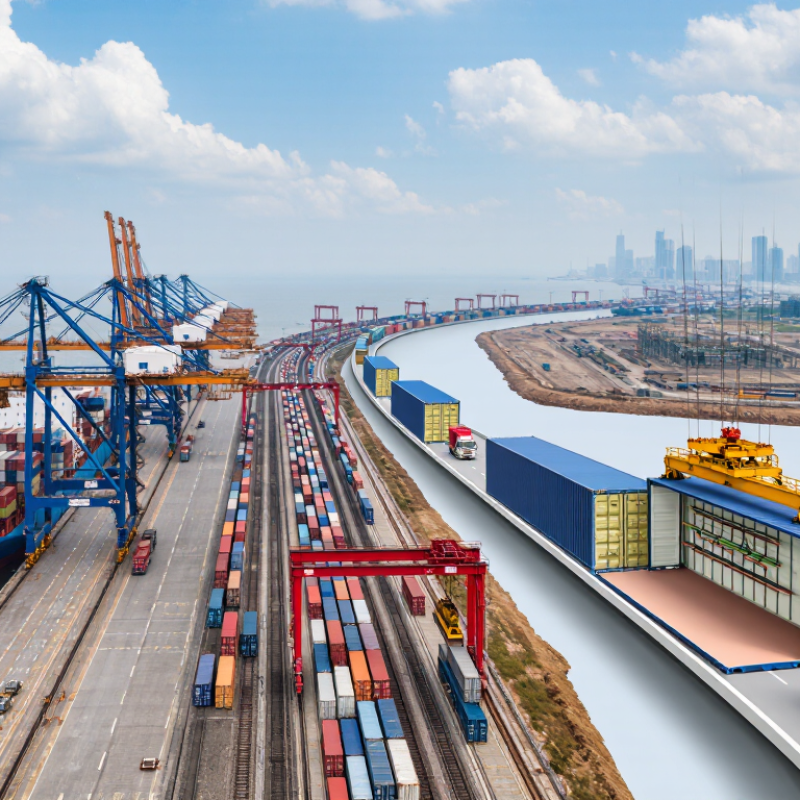
Modular containers can simplify international deployment, but transport planning must begin before fabrication. A unit may fit a standard vessel yet exceed local road limits after arrival. Route surveys should check bridge clearances, turning radii, port handling equipment, and crane capacity. Accurate weight records matter. Small errors can delay customs release or create unsafe lifting conditions.
Environmental performance depends on the entire lifecycle, not only reuse. Durable steel shells can serve several projects, while high-quality insulation reduces cooling demand in hot regions. However, poorly sealed doors, thermal bridges, and damaged coatings can undermine those benefits. Transport distance also affects emissions. Sometimes local assembly uses fewer resources than shipping a finished module. That assumption needs real calculations.
Regulatory requirements vary widely between jurisdictions. Teams should confirm customs classifications, temporary import rules, fire ratings, electrical certifications, accessibility standards, and local building permits. A container approved for storage may not qualify as an occupied workplace. Emergency exits and ventilation are often underestimated. They should not be.
Reliable documentation supports smoother approvals. Keep drawings, material declarations, load calculations, inspection records, and maintenance logs together. Local engineers can verify soil conditions, wind loads, seismic risks, and utility connections. This review may reveal that a standard design needs modification. That is inconvenient, but ignoring it is worse. Modular construction rewards disciplined preparation, yet it does not remove local responsibility.
Project Types and Conditions Best Suited to Modular Containers
Modular containers suit global projects when speed, transportability, and changing site conditions matter. They are useful for remote clinics, construction offices, disaster-response housing, temporary classrooms, and worker accommodation. Each unit arrives with a defined footprint, protected services, and a repeatable installation process. That consistency helps teams plan cranes, foundations, utilities, and local labor before delivery. Still, modular does not mean effortless.
On remote sites, containers perform best when roads can carry heavy vehicles and lifting equipment can reach the placement area. Flat, stable ground reduces preparation work. Cold regions need insulated walls, protected pipes, and reliable heating. Hot, humid regions require ventilation, shading, moisture control, and careful corrosion checks. Coastal projects deserve extra attention because salt air can shorten the life of exposed metal. Small details matter.
For healthcare and education projects, layouts should support hygiene, privacy, accessibility, and safe movement. Electrical loads must match local standards, while plumbing should connect to available water and wastewater systems. Cross-border work also demands accurate drawings, customs documents, and realistic delivery allowances. I have seen schedules fail when teams measured the unit but ignored access around it. That mistake is avoidable, although not always obvious during early design. The approach is not perfect; factory dimensions can limit unusual layouts. Modular containers work best when project needs are clear, even when the site is not.