10 Best Metal Shipping Containers for Global Buyers?

Global cargo movement depends on equipment that is strong, standardized, and easy to handle. UNCTAD’s Review of Maritime Transport 2024 reports that maritime transport carries over 80% of global merchandise trade by volume. That scale makes reliable metal shipping containers essential for manufacturers, exporters, retailers, and logistics providers.

This guide examines ten leading options for global buyers. The comparison considers container size, steel thickness, payload, CSC plate status, door security, ventilation, floor condition, and corrosion resistance. These details matter in practice. A 20-foot container may fit a factory shipment, while a 40-foot high-cube unit offers additional height for bulky goods. However, internal dimensions can vary slightly between manufacturers. Small differences matter.

Evidence supports careful purchasing. The World Bank’s Logistics Performance Index 2023 emphasizes customs efficiency, infrastructure quality, shipment reliability, tracking, and delivery timeliness. A container is only one part of that system, but its condition can affect every stage. Drewry’s Container Census and UNCTAD shipping analyses also show how fleet capacity, trade routes, and equipment availability influence global logistics costs.

There is no universal winner.

A new container may provide cleaner interiors and longer service life. A used unit may reduce costs, yet hidden floor damage or roof repairs can create later expenses. Buyers should request inspection photos, manufacturing dates, dimensions, load ratings, and delivery terms. Rankings can guide decisions, but they cannot replace a physical inspection. This list is practical, not absolute, and regional availability may change the final choice.
10 Best Metal Shipping Containers for Global Buyers?

What Are Metal Shipping Containers and How Do They Work?

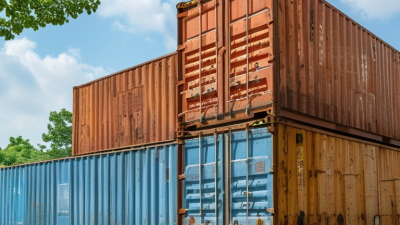
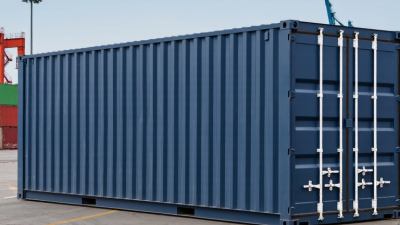
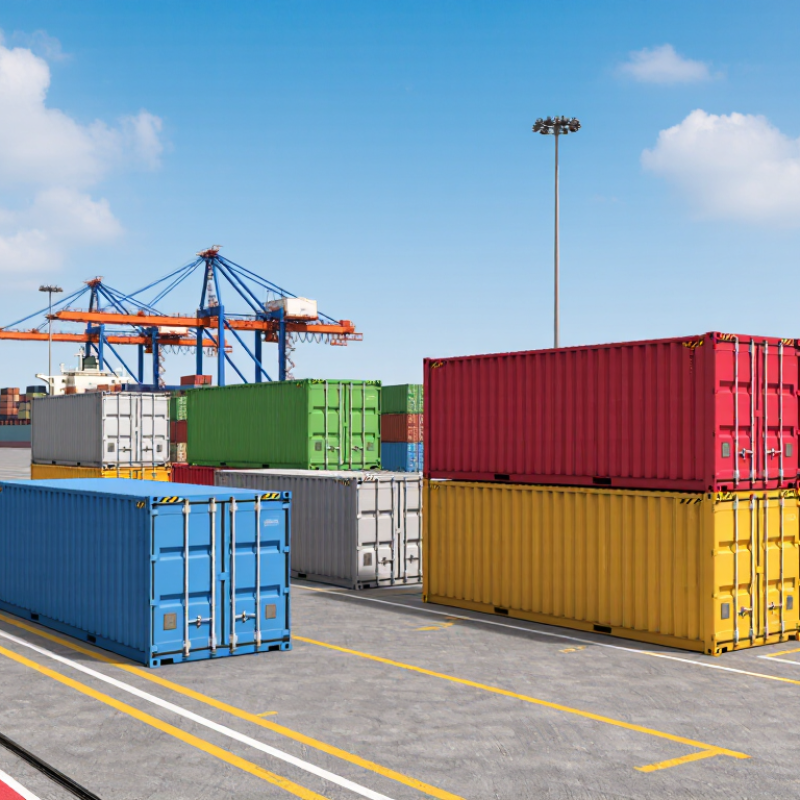
Metal shipping containers are standardized steel boxes built to move cargo between ships, trains, and trucks. Their corrugated walls resist impact, while reinforced corner posts support lifting and stacking. Most units include steel doors, wooden floors, locking bars, and ventilation openings.

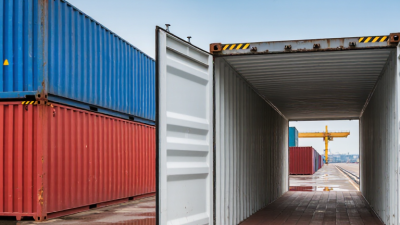
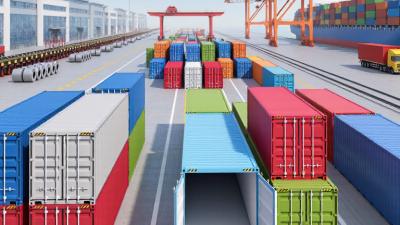
They work through a simple intermodal system. A crane lifts the container using its corner castings. Twist-lock fittings secure it to a vessel, rail wagon, or truck chassis. Cargo stays inside during transfers, reducing repeated handling.

A 20-foot container suits dense goods, while a 40-foot unit offers more floor space. High-cube models provide extra internal height for bulky loads.

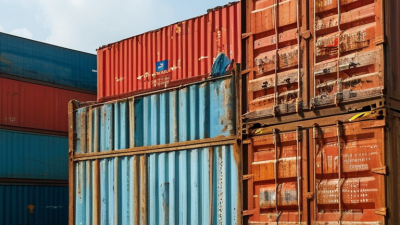
Weather resistance is useful, but it is not absolute. Seals can age, roof panels can rust, and condensation may damage sensitive cargo. Inspect the floor, door alignment, welds, and approval plate before purchase. I would also check the container after heavy rain, not only under warehouse lights. Small dents are often harmless; distorted corner posts are not.

Inside, cargo should be evenly distributed and firmly restrained. Heavy items need low placement, with gaps protected from movement. Ventilation helps, but it cannot replace moisture control for electronics, textiles, or machinery. Specifications may look perfect on paper. Real condition can tell a different story. Reliable buyers request inspection photos, repair records, and verified dimensions before shipment.

Which Metal Shipping Container Types Suit Different Global Uses?

Standard dry containers suit boxed goods, machinery, furniture, and packaged materials. Their steel walls resist rain, handling damage, and frequent ocean transfers. High-cube models add valuable vertical space for lightweight cargo, storage racks, and bulky equipment. A practical detail matters: measure the door opening, not only the internal length.

Open-top containers work well for tall machinery loaded by crane. Side-opening units help crews access long pallets without unloading everything. Double-door containers support faster loading from both ends, especially at warehouses with limited turning space. Flat-rack containers carry oversized machinery, pipes, and structural components, but they need careful lashing and route planning. Small mistakes become expensive during port handling.

Insulated containers protect temperature-sensitive goods from sharp heat changes, while refrigerated units provide active temperature control for approved food, medical, or industrial shipments. Tank containers serve regulated liquid products and require documented compatibility, inspection, and trained handling. Ventilated containers can support agricultural goods that need airflow, though they cannot replace proper humidity control. Buyers should confirm payload limits, floor condition, corrosion levels, door seals, and certification dates. Local customs, port rules, and transport standards also differ by country. Experience suggests that the cheapest unit is often not the best fit. I once underestimated clearance around a loading bay; the container was suitable, but the delivery plan was not. Variant dimensions and maintenance quality deserve a second check.

10 Best Metal Shipping Containers for Global Buyers? - Which Metal Shipping Container Types Suit Different Global Uses?

Specifications are typical industry ranges. Actual dimensions, tare weight, payload, and certification limits vary by manufacturer, construction, age, and applicable transport regulations.
Rank Container Type Typical External Dimensions
(L × W × H)
Typical Internal Dimensions
(L × W × H)
Approx. Volume Typical Tare Weight Typical Payload* Best-Suited Global Uses Key Selection Considerations
1 20-Foot Standard Dry Container 6.06 × 2.44 × 2.59 m
19 ft 10 in × 8 ft × 8 ft 6 in
5.90 × 2.35 × 2.39 m About 33 m³ 2,200–2,400 kg Up to about 28,000 kg General cargo, machinery, spare parts, building materials, and export shipments with moderate volume. Widely accepted at ports and inland terminals; practical for heavy cargo and smaller shipment lots.
2 40-Foot High Cube Dry Container 12.19 × 2.44 × 2.90 m
40 ft × 8 ft × 9 ft 6 in
12.03 × 2.35 × 2.69 m About 76 m³ 3,700–4,200 kg Up to about 28,000 kg High-volume consumer goods, packaged products, furniture, textiles, and light industrial cargo. Provides approximately 30 cm more internal height than a standard container; efficient for volume-sensitive freight.
3 40-Foot Standard Dry Container 12.19 × 2.44 × 2.59 m
40 ft × 8 ft × 8 ft 6 in
12.03 × 2.35 × 2.39 m About 67 m³ 3,600–3,900 kg Up to about 28,000 kg Regular long-distance cargo, palletized goods, packaged materials, and consolidated export shipments. A balanced option when standard height is sufficient and a longer loading area is required.
4 20-Foot Refrigerated Container 6.06 × 2.44 × 2.59 m
19 ft 10 in × 8 ft × 8 ft 6 in
About 5.45 × 2.29 × 2.26 m About 28 m³ 2,800–3,200 kg Up to about 27,000 kg Fresh produce, meat, seafood, pharmaceuticals, flowers, and temperature-sensitive chemicals. Requires electrical power and controlled operating procedures; usable payload is reduced by refrigeration equipment weight.
5 40-Foot High Cube Refrigerated Container 12.19 × 2.44 × 2.90 m
40 ft × 8 ft × 9 ft 6 in
About 11.56 × 2.29 × 2.54 m About 67 m³ 4,500–5,000 kg Up to about 29,000 kg Large-scale cold-chain distribution, frozen food, dairy products, pharmaceuticals, and horticultural cargo. High capacity for temperature-controlled freight; confirm power availability, temperature range, and airflow requirements.
6 20-Foot Open-Top Container 6.06 × 2.44 × 2.59 m
19 ft 10 in × 8 ft × 8 ft 6 in
About 5.90 × 2.35 × 2.35 m About 32 m³ 2,300–2,600 kg Up to about 28,000 kg Scrap metal, stone, timber, industrial machinery, construction materials, and tall cargo loaded from above. Removable roof bows and a tarpaulin allow overhead loading; cargo must be secured and protected from weather.
7 40-Foot Open-Top Container 12.19 × 2.44 × 2.59 m
40 ft × 8 ft × 8 ft 6 in
About 12.03 × 2.35 × 2.35 m About 66 m³ 3,800–4,300 kg Up to about 28,000 kg High-volume bulk cargo, long machinery, heavy construction products, and cargo requiring crane loading. Offers greater loading flexibility than a closed box; overhead clearance and securing arrangements must be checked.
8 20-Foot Flat Rack Container 6.06 × 2.44 m platform length × width About 5.62 × 2.20 m usable platform area Not applicable as enclosed volume 2,500–3,000 kg About 21,000–25,000 kg Oversized machinery, vehicles, steel products, transformers, tanks, and project cargo. No full side or top enclosure; cargo dimensions, lashing points, concentrated loads, and route restrictions are critical.
9 40-Foot Flat Rack Container 12.19 × 2.44 m platform length × width About 11.65 × 2.40 m usable platform area Not applicable as enclosed volume 5,000–6,000 kg About 30,000–40,000 kg Large industrial equipment, boats, construction machinery, structural steel, and heavy project shipments. Suitable for long or wide cargo, but shipping lines may apply route-specific limits for over-width, over-height, or overweight loads.
10 45-Foot High Cube Dry Container 13.72 × 2.44 × 2.90 m
45 ft × 8 ft × 9 ft 6 in
About 13.56 × 2.35 × 2.69 m About 86 m³ 4,700–5,000 kg Up to about 27,000 kg Large retail distribution, lightweight bulky goods, packaging materials, furniture, and high-volume regional networks. Maximizes cubic capacity, but availability, port acceptance, chassis compatibility, and inland road restrictions may be more limited.
*Payload note: The practical payload is the lower of the container’s certified maximum gross mass minus tare weight, the carrier’s limit, the vessel or terminal limit, and the legal road limit in the destination country.

How to Compare Container Materials, Sizes, Grades, and Features?

When comparing metal shipping containers, start with the steel, not the paint. Weathering steel resists ordinary outdoor exposure, but poor welding or trapped moisture can still create rust. Galvanized components help around doors, vents, and corner fittings. Ask for the steel grade, wall thickness, manufacturing records, and corrosion inspection results. A clean surface can hide repaired damage.

Size affects both capacity and handling costs. A 20-foot container suits dense cargo, while a 40-foot model offers more floor length. A high-cube design adds useful vertical space for cartons, machinery, or pallets. Check internal dimensions, door opening measurements, tare weight, payload rating, and floor strength. Two containers with the same advertised size may handle cargo very differently. Certification for international transport should be current and verifiable.

Tips: Match the container to your cargo, route, and unloading equipment. Inspect corner castings, door seals, locking bars, roof panels, and floor joints. Request clear photographs, but do not rely on photographs alone. A third-party inspection may cost more initially. It can prevent expensive surprises later. Features such as ventilation, plywood flooring, lock protection, forklift pockets, and internal tie-down points should serve a specific loading plan. More features are not automatically better. Sometimes, buyers choose extras and lose usable space. That decision deserves a second look.

10 Best Metal Shipping Containers for Global Buyers

Comparing typical internal volume by container type helps buyers match cargo size, temperature requirements, loading access, and oversize dimensions.

Internal volumes are representative nominal values for common ISO container formats. Actual dimensions, tare weight, payload, and maximum gross mass vary by construction, insulation, door configuration, and the CSC safety plate. Standard dry containers typically use weathering steel, while reefers include insulated panels and refrigeration equipment.

What Standards, Certifications, and Safety Rules Apply Worldwide?

10 Best Metal Shipping Containers for Global Buyers?

A safe container starts with the CSC plate, required for most international sea transport. It confirms that the unit passed structural inspections under the International Convention for Safe Containers. Check its approval number, maximum gross mass, and next examination date before loading. The container should also match recognized ISO dimensions and strength requirements. A plate alone is not enough.

Inspect the corner castings, locking bars, hinges, roof, and floor from several angles. Look for bent steel, fresh welds, heavy corrosion, water stains, or gaps around the doors. I have learned that small floor damage can become a serious loading problem. Load weight must stay evenly distributed, with heavy cargo placed low and near the center. Secure every item against movement during rolling, lifting, and sudden braking.

For ocean shipments, carriers usually require verified gross mass under SOLAS rules. Dangerous goods require the IMDG Code, correct declarations, approved packaging, labels, and proper segregation. Refrigerated units may need additional electrical and temperature-safety checks. Wooden pallets or blocking can also trigger ISPM 15 requirements in many countries. Rules differ by route, cargo, and destination. That is easy to underestimate. Ask the carrier and local customs authority for current requirements, because an older checklist may no longer be reliable.

How to Select, Buy, Inspect, Ship, and Maintain a Metal Container?

Selecting a metal shipping container starts with cargo, route, and handling conditions. More than 80% of global merchandise trade moves by sea, according to UNCTAD’s Review of Maritime Transport 2024. That scale makes small defects expensive. Choose a certified unit meeting ISO 668 dimensions and carrying a valid safety plate. Check internal length, door clearance, payload, tare weight, and floor capacity. A 20-foot unit may suit dense machinery, while a 40-foot high-cube model offers extra volume. Do not buy from photographs alone.

Inspect the roof, corner castings, door rods, seals, welds, and floor underside. Surface rust is manageable; deep pitting near structural posts is not. Look for daylight inside after closing the doors. A fresh paint layer can hide corrosion. This is where buyers often become too optimistic. Ask for manufacture year, repair records, inspection images, and a recent condition report. Confirm that the container’s maximum gross mass supports the planned cargo, pallets, and securing materials. The International Maritime Organization requires verified gross mass before loaded containers enter international sea transport under SOLAS.

Prepare the unit before shipping. Dry the floor, remove debris, and secure cargo against movement, moisture, and uneven weight. Keep heavy items low and centered. Photograph the empty container, packed cargo, seals, and identification plate. These records help resolve damage disputes. During maintenance, inspect after every long voyage, especially around door seals and roof seams. Clean salt deposits quickly. Apply compatible anti-corrosion coating after proper surface preparation. Even a careful checklist can miss hidden rust, so an independent inspection is worthwhile for high-value cargo.