China Top 10 Conex Storage Container Manufacturers
Conex storage containers have become practical assets for construction sites, farms, retailers, and logistics operators. They offer lockable, weather-resistant space without requiring a permanent building. Demand depends on local freight access, project schedules, and the condition of available units. A container that looks sound from the outside may still have worn door seals or a damaged floor. Small details matter.
The UNCTAD Review of Maritime Transport 2024 notes that shipping carries more than 80% of world merchandise trade by volume. That scale helps explain why container supply, specifications, and manufacturing quality matter to buyers. Yet a global trade figure does not tell you which manufacturer suits a particular site. This guide to China’s top 10 conex storage containers manufacturers compares product range, fabrication capability, customization, quality controls, and export experience. These points help buyers look beyond attractive photographs and headline prices.
A useful shortlist should also consider steel thickness, corner fittings, ventilation options, and how doors operate after delivery. Ask for clear specifications and inspection records. Then verify them. Manufacturer rankings are not universal: capacity, lead time, and service can change by order and destination. Some information may be difficult to compare consistently, and this guide treats that limitation seriously. Use the list as a starting point, not a substitute for checking the actual unit, its documentation, and the supplier’s recent references.
What Conex Storage Containers Are and How They Are Used
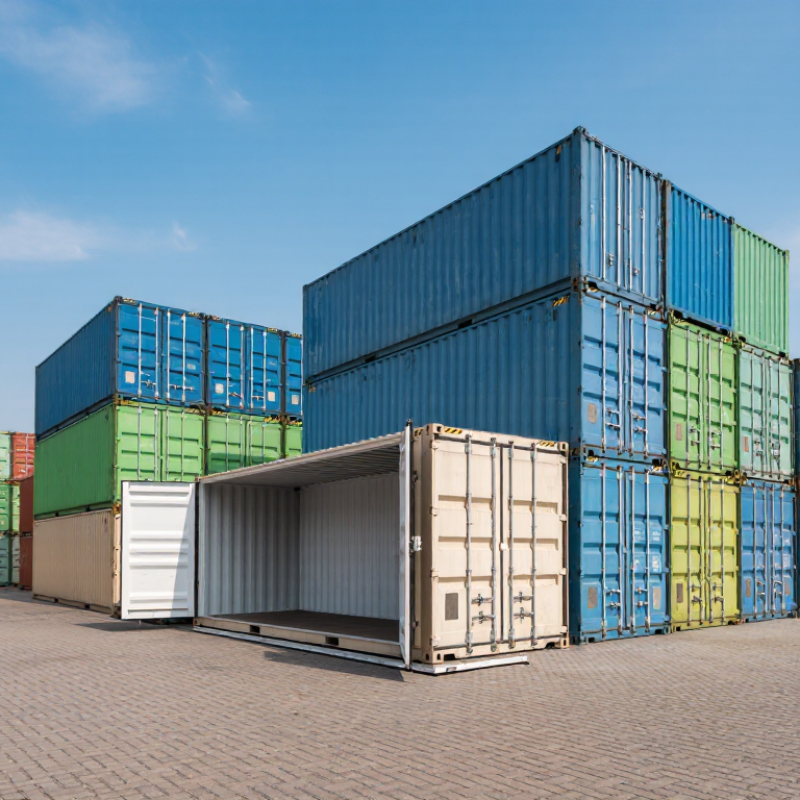
Conex storage containers are sturdy, enclosed units commonly made from corrugated steel. Their double doors allow access for palletized goods, tools, furniture, and building supplies. Many have corner fittings that help with lifting and placement. Sizes vary, so check internal dimensions before planning shelves or equipment. Measure twice. A container used for storage is not automatically suitable for every load.
On construction sites, containers can protect power tools and materials from rain, dust, and casual access. Farms and workshops use them for seasonal equipment, spare parts, or feed kept in sealed bins. Businesses may also use containers during renovations or when indoor storage is limited. A level, well-drained base helps doors open smoothly and reduces standing water around the unit. Ventilation matters, too: temperature changes can create condensation and damage cardboard or metal goods. It is easy to overestimate how dry a steel box will stay. Inspect door seals, hinges, floors, and locking points before loading, and check them periodically. A container can look sound from outside while hiding a soft floor or worn seal. Repair needs deserve a closer look.
China Top 10 Conex Storage Container Manufacturers - What Conex Storage Containers Are and How They Are Used
This reference table covers ten common shipping-container formats and their typical uses. “Conex” is commonly used as a general term for a cargo container; the entries below describe container types, not manufacturers or ranked brands. Dimensions are approximate external nominal dimensions; actual specifications vary by design and manufacturer.
| Container Type |
Typical External Dimensions |
Main Features |
Common Uses |
| 20-Foot General-Purpose |
6.06 × 2.44 × 2.59 m
20 × 8 × 8 ft 6 in |
Enclosed steel container with end doors; a widely used standard size. |
Secure storage, building materials, tools, and general dry cargo. |
| 40-Foot General-Purpose |
12.19 × 2.44 × 2.59 m
40 × 8 × 8 ft 6 in |
Provides roughly twice the floor length of a 20-foot container. |
Bulkier dry cargo, equipment storage, and larger site-storage needs. |
| 40-Foot High-Cube |
12.19 × 2.44 × 2.90 m
40 × 8 × 9 ft 6 in |
About 30 cm taller externally than a standard-height container. |
Lightweight, bulky goods and storage where additional interior height is useful. |
| Refrigerated Container |
Commonly 20- or 40-foot formats |
Insulated walls and a powered refrigeration unit; requires an appropriate electrical supply. |
Temperature-controlled transport or storage of food, flowers, and other suitable cargo. |
| Insulated Container |
Commonly 20- or 40-foot formats |
Insulated construction helps reduce heat transfer; it does not necessarily include active cooling. |
Goods that benefit from protection against rapid temperature changes. |
| Open-Top Container |
Commonly 20- or 40-foot formats |
Removable roof cover allows loading from above; dimensions and payload depend on the unit. |
Tall or heavy cargo loaded by crane, such as machinery or certain construction materials. |
| Flat-Rack Container |
Commonly 20- or 40-foot formats |
Open sides with end walls; some models have collapsible end walls. |
Oversized or awkwardly shaped cargo, including industrial equipment and vehicles. |
| Open-Side Container |
Commonly 20- or 40-foot formats |
Side-opening doors provide wider access than standard end doors. |
Long items, organized access to stored goods, and loading where side access is helpful. |
| Double-Door Container |
Commonly 20- or 40-foot formats |
Doors at both ends allow access from either end of the container. |
Long cargo, storage layouts needing two-way access, and easier separation of stored items. |
| Tank Container |
Typically a tank mounted within an ISO-sized frame |
Designed for liquid or gas cargo; suitability depends on the tank specification and cargo requirements. |
Transport of compatible bulk liquids or gases under the applicable handling and safety rules. |
How China’s Conex Container Manufacturers Are Assessed
How China’s Conex Container Manufacturers Are Assessed
A credible assessment starts with the container, not the brochure. Inspect corner castings, door seals, floor joints, weld continuity, and coating coverage. Ask for production records and traceable material certificates. A fresh paint finish proves little. Small details matter.
Capacity and consistency also deserve scrutiny. UNCTAD’s Review of Maritime Transport 2024 reports that global container port throughput reached about 858 million TEUs in 2023. That scale makes dependable dimensions, repairability, and repeatable quality practical purchasing concerns. Check sample units against the stated dimensions and applicable ISO 668 requirements. Review inspection procedures, defect records, and independent test results, rather than relying on a single demonstration unit. Not on paper.
Factory audits can reveal whether documented procedures match the workshop floor. Observe how staff measure door openings, protect floors, and record weld repairs. Ask how rejected components are handled and whether corrective actions are tracked across production batches. Delivery timelines, warranty terms, and spare-part availability matter too. Yet these checks have limits: a short visit cannot prove long-term durability. Compare evidence from multiple batches, and treat unsupported performance claims cautiously. A careful assessment leaves room for doubt.
Profiles of China’s Top 10 Conex Storage Container Manufacturers
Profiles of China’s Top 10 Conex Storage Container Manufacturers
A useful profile compares factory capability, not just catalogue size. China’s leading manufacturers typically serve different needs: high-volume standard units, modified site offices, insulated stores, or flat-pack models for tight delivery spaces. Look for evidence of steel specifications, welding checks, coating systems, and documented inspection steps. These details matter when a container will sit outdoors through repeated wet and dry seasons. A polished product photo tells you little.
UNCTAD’s Review of Maritime Transport 2024 reports that global container port throughput reached 858.7 million TEUs in 2023. This measures port activity, not storage-container sales, but it shows the scale of the wider container industry. For comparing ten manufacturer profiles, ask about monthly output, customization limits, lead times, and replacement-part support. Some suppliers have strong fabrication capacity but less experience with unusual site requirements. That gap deserves attention.
Tips: Request drawings, coating details, and inspection records for the exact model. Confirm door clearance and forklift-pocket dimensions before ordering. Ask how damage claims are handled. Small omissions can become expensive. A factory visit or independent inspection adds confidence, though it cannot guarantee perfect performance.
Comparing Container Types, Materials, and Customization Options
Container choice starts with the job, not the label.
Standard dry units suit general storage, while high-cube models provide extra vertical clearance for shelving or bulky equipment. Open-side designs simplify access to long items. Insulated units can help moderate temperature swings, but they are not automatically refrigerated. ISO 668:2020 sets dimensions and ratings for Series 1 freight containers, helping buyers compare compatible footprints. UNCTAD’s Review of Maritime Transport 2024 reports 858.9 million TEUs in global container port throughput in 2023. That figure shows the scale of container handling, not demand for storage units. Measure twice.
Material choices affect service life.
Many containers use corrugated weathering steel, with marine-grade plywood flooring and protective coatings. Check welds, door seals, floor condition, and corrosion around corners before purchase. A fresh coat of paint can hide trouble. Custom options include personnel doors, vents, lighting, internal partitions, shelving, and extra locking points. Specify where loads will sit; a reinforced floor may matter more than an attractive finish. Ask for drawings, coating details, and load limits in writing. Customization improves usability, but each cutout can change stiffness and weather resistance. That trade-off is easy to underestimate.
Key Factors for Choosing a Chinese Conex Container Supplier
When comparing Chinese conex container manufacturers, assess factory controls, not just the quotation. UNCTAD’s Review of Maritime Transport 2024 reports that ships carry over 80% of world trade by volume. A sticking door, leaking roof seam, or uneven floor can therefore create costly handling problems. Small details matter.
Request steel-grade certificates, weld inspection records, coating-thickness readings, and a written bill of materials. Check floor thickness and crossmember spacing against your cargo and forklift loads. Ask for order-specific photos or video of door operation, sealing, and final inspection. Confirm dimensions, payload, warranty terms, spare-part access, and required shipping certifications before comparing prices. Ask how defects are recorded and corrected. “We inspect every unit” is not enough without evidence.
The World Bank’s 2023 Logistics Performance Index tracking data puts an average international shipment journey at about 44 days, with nearly 60% of that time at sea. Transit can expose weak seals and poor corrosion protection. A pre-shipment inspection can catch visible issues, though it cannot prove long-term durability. I would treat polished factory photos cautiously; they show one moment, not consistency. Ask for inspection criteria in writing, and make sure they match the container you will receive.